Why is it that many patients seeking relief from post-operative swelling are often directed toward a relaxing "massage" when their recovery actually demands a rigorous medical intervention? While a standard spa treatment focuses on muscular relaxation, clinical manual lymphatic drainage is a precise, evidence-based therapy rooted in the complex fluid dynamics of your body. If you're currently managing the discomfort of surgical inflammation or the heavy sensation of edema exacerbated by the Central Texas heat, you've likely felt the frustration of slow healing and the fear of developing permanent fibrosis. It's common to feel overwhelmed by the conflicting advice surrounding recovery protocols.
We understand that managing the period after cosmetic surgery or a chronic condition like lymphedema requires more than just general wellness; it requires clinical authority. This guide will provide a comprehensive look at the physiological science behind the Vodder technique, the professional standards for certified therapists, and the specific clinical applications that prevent complications. You'll learn how to distinguish high-grade medical therapy from recreational services and what to look for when selecting a specialist in Austin or Cedar Park. By the end, you'll have a clear roadmap for utilizing specialized lymphatic care to ensure your body heals with the precision it deserves.
Key Takeaways
- Understand the lymphatic system’s role as the body’s essential waste management infrastructure and how it regulates interstitial fluid to maintain tissue health.
- Learn why clinical manual lymphatic drainage is a critical medical intervention for post-operative recovery following procedures like Lipo 360, tummy tucks, and BBLs.
- Identify the professional certification standards required for a therapist to be recognized as a Certified Lymphedema Therapist (CLT) to ensure your safety and results.
- Discover the physiological risks of aggressive, deep-tissue massage on fragile lymphatics and how specialized, gentle techniques prevent tissue damage and fibrosis.
- Prepare for your therapeutic journey by learning what to expect during a professional consultation, including the importance of reviewing surgical notes and medical history.
What is Clinical Manual Lymphatic Drainage?
Clinical manual lymphatic drainage is a specialized, non-invasive manual therapy designed to facilitate the movement of lymph fluid through the body’s lymphatic system. Unlike traditional massage, which primarily targets muscular tension and deep tissue layers, this methodology focuses on the superficial tissues where the initial lymph collectors reside. It's a highly disciplined practice that requires a deep understanding of fluid dynamics and anatomical pathways. A foundational understanding of What is Manual Lymphatic Drainage? helps clarify its role as a medical intervention rather than a recreational service.
The "clinical" designation signifies a rigorous approach to patient care. It's not a one-size-fits-all treatment. A professional session begins with a thorough review of medical history, surgical notes, and a physical assessment of the tissue state. This data allows the therapist to develop targeted protocols for specific conditions, such as post-operative recovery or lymphedema management. The objective is always physiological results: reducing edema, accelerating cellular repair, and preventing the formation of restrictive scar tissue or fibrosis.
In the medical community, the Vodder Method is recognized as the gold standard of clinical manual lymphatic drainage. Developed with scientific precision, this technique utilizes specific hand movements to stimulate the lymphatic system without triggering a defensive inflammatory response. It's the primary tool for clinicians working with patients navigating the complexities of physical recovery after invasive procedures.
The History and Evolution of the Vodder Technique
Dr. Emil Vodder and his wife, Estrid, introduced this methodology in 1936 during a medical congress in Paris. Initially, the medical community was skeptical of manipulating lymph nodes, but Vodder's results in treating chronic sinusitis and glandular swelling were undeniable. Over the following decades, the technique evolved from an aesthetic refinement into a critical medical tool. Today, it's a cornerstone of Complete Decongestive Therapy (CDT) and is the standard of care for post-operative cosmetic surgery recovery and breast cancer-related swelling.
Core Principles of Manual Lymphatic Therapy
The effectiveness of clinical manual lymphatic drainage relies on three non-negotiable principles that distinguish it from any other form of bodywork:
- The "No Pressure" Rule: Lymphatic collectors are fragile, thin-walled vessels. Heavy pressure collapses these vessels and stops fluid transport. The touch must be light enough to engage the skin without compressing the underlying structures.
- Rhythmic Skin Stretching: The therapist uses a specific "stretch and release" motion. This action stimulates the lymphangion, often called the "lymph heart," which is the functional unit of a lymph vessel that pumps fluid forward.
- Proximal to Distal Sequencing: We always clear the central pathways and nodes closest to the heart before addressing the extremities. It's essential to "unplug the drain" at the center so that fluid from the surgical site or swollen limb has a place to go.
The Physiological Mechanism: How MLD Affects Healing
To understand the efficacy of this therapy, one must view the lymphatic system as the body’s primary waste management infrastructure. It's a sophisticated, one-way drainage network responsible for maintaining fluid balance and filtering out pathogens. Unlike the circulatory system, which relies on the heart to pump blood, the lymphatic system is passive. It depends on muscle movement, respiratory pressure, and the intrinsic contractions of the lymph vessels themselves. When this system is compromised by surgery or trauma, fluid accumulates in the spaces between cells, known as the interstitial space. The Physiological Mechanism: How MLD Affects Healing involves manually assisting this fluid as it transitions from the interstitium into the initial lymph capillaries.
The application of clinical manual lymphatic drainage specifically targets the lymphangion, which is the functional unit of a lymph vessel. These tiny segments contain one-way valves and smooth muscle that contract rhythmically. Professional manual stimulation can increase the frequency of these contractions from a baseline of 6 to 10 times per minute to as many as 20 or 30 times per minute. This accelerated pumping action effectively clears stagnant fluid and metabolic debris, allowing fresh, oxygenated blood to reach the healing tissues more efficiently. It's a highly organized process that requires a specialist's touch to ensure the pressure remains light enough to engage these delicate structures without causing them to collapse.
Beyond the physical movement of fluid, this therapy has a profound effect on the parasympathetic nervous system. Because the techniques are rhythmic and gentle, they induce a deep state of relaxation. This shift away from a "fight or flight" sympathetic state is critical for recovery. When the body is relaxed, heart rate slows and systemic inflammation decreases, creating an internal environment that is physiologically optimized for cellular repair. For those navigating complex recoveries, working with a dedicated clinical partner can ensure these biological responses are maximized.
Reducing Edema and Interstitial Pressure
Surgery or injury creates a literal bottleneck in your body’s drainage pathways. This accumulation of fluid increases interstitial pressure, which compresses local nerves and causes the familiar sensations of throbbing, tightness, and pain. By utilizing clinical manual lymphatic drainage, a therapist can reroute fluid around damaged areas to functional lymph nodes. This immediate reduction in tissue pressure is a primary goal of post-op lymphatic drainage Austin, as it provides both symptomatic relief and a clear path for structural healing.
Immune System Support and Detoxification
The lymphatic system is the home of your immune response. MLD accelerates the transport of white blood cells to surgical sites, where they can more effectively manage the risk of infection. Additionally, the technique flushes out cell debris, inflammatory mediators, and metabolic waste from the extracellular matrix. This "cleansing" effect prevents the fluid from becoming stagnant and protein-rich, which is the leading cause of post-surgical fibrosis and hardening of the tissue.
Primary Indications for Clinical Manual Lymphatic Drainage
While the physiological benefits of lymphatic stimulation are universal, the application of clinical manual lymphatic drainage is most critical in specific medical contexts where the body’s natural drainage capacity is overwhelmed. It's no longer just a supportive therapy; it's a primary intervention for individuals navigating the recovery phases of invasive surgeries or managing chronic lymphatic disorders. Patients often seek this specialized care to address acute swelling that resists standard rest and elevation protocols. Understanding What to Expect During Your Clinical MLD Session is the first step for many patients transitioning from acute medical care to long-term management.
One of the most significant applications is in the field of oncology, particularly for breast cancer survivors. Post-mastectomy care often involves managing secondary lymphedema caused by the removal or damage of axillary lymph nodes. Similarly, individuals dealing with chronic venous insufficiency or recovering from complex orthopedic injuries utilize MLD to reduce systemic inflammation and accelerate the resorption of hematomas. In these cases, the therapy acts as a decongestant that restores mobility and prevents the skin from becoming tight and fragile due to prolonged fluid tension.
Specialized Care for Post-Cosmetic Surgery
For patients undergoing high-volume liposuction, such as Lipo 360, Tummy Tucks, or Brazilian Butt Lifts (BBL), the surgical trauma to the subcutaneous tissue is extensive. This trauma disrupts the superficial lymphatic network, leading to a significant accumulation of protein-rich fluid. If left untreated, this fluid can stagnate and transform into fibrosis, which is hardened, irregular scar tissue that compromises the final aesthetic result. Early intervention with clinical manual lymphatic drainage is essential to prevent these complications. It helps manage seromas and ensures that the skin adheres smoothly to the underlying muscle, optimizing the surgical outcome.
Chronic Conditions: Lymphedema and Lipedema
In cases of primary or secondary lymphedema, MLD serves as a cornerstone of Complete Decongestive Therapy (CDT). It's a lifelong management tool that prevents the progression of tissue changes and reduces the risk of cellulitis. Lipedema patients also benefit significantly; while MLD doesn't remove the diseased adipose tissue, it effectively manages the intense inflammatory pain and heavy-limb sensation characteristic of the condition. For residents in Austin or Cedar Park, this therapy becomes even more vital during the summer months. The Central Texas heat causes vasodilation, which increases the lymphatic load and can quickly exacerbate existing edema. Consistent clinical care helps maintain fluid equilibrium despite these environmental stressors.

Clinical MLD vs. Standard Massage: Why Training Matters
The distinction between a recreational spa service and clinical manual lymphatic drainage is not merely a matter of terminology; it's a matter of physiological safety. Many wellness centers offer "lymphatic massage" as a general detoxification tool, but these sessions often lack the anatomical precision required for medical recovery. While a standard massage focuses on manipulating muscle tissue to release tension, clinical MLD targets the intitial lymph collectors located just beneath the skin. Applying the heavy pressure typical of deep tissue work to a post-operative site can be catastrophic. It risks collapsing the fragile, newly forming lymphatic pathways and can significantly increase systemic inflammation.
A clinical environment differs fundamentally from a recreational one. In a professional setting, the session begins with a rigorous medical intake that includes reviewing surgical notes, identifying specific incision patterns, and assessing for signs of complications like seromas or infection. This isn't a "one size fits all" relaxation ritual. It's a targeted medical intervention where every hand movement is dictated by the patient's specific fluid dynamics and tissue state. If you're navigating a complex recovery, it's vital to partner with a specialist who understands these nuances. You can schedule a professional consultation to ensure your care aligns with medical standards.
The Risk of Unqualified Practitioners
There's a rising trend in "aggressive drainage" or "wood therapy" that promises rapid results through vigorous manipulation. For a patient in the acute phase of recovery, these techniques are dangerous. They often cause bruising and intense pain, which are clear indicators of tissue trauma. This trauma triggers a defensive inflammatory response, which is exactly what MLD is designed to prevent. True clinical expertise requires professional lymphatic drainage education to understand how to move fluid without compromising the integrity of the healing tissue. An untrained therapist might unknowingly cause permanent damage to the lymphatic valves, leading to long-term swelling issues.
What to Look for in a Clinical Specialist
When selecting a therapist, you must verify their certification through recognized institutions such as the Vodder, Klose, or Norton schools. The National Lymphedema Network establishes a 135-hour training program as the benchmark for a therapist to earn the title of Certified Lymphedema Therapist (CLT). This extensive training ensures the practitioner can manage complex cases, such as Austin cosmetic surgery protocols or secondary lymphedema. A qualified specialist will provide an individualized treatment plan that adjusts in real-time as your tissue heals, rather than following a generic sequence. They should be able to explain the "why" behind every technique, acting as a knowledgeable partner in your recovery journey.
What to Expect During Your Clinical MLD Session
Your first session of clinical manual lymphatic drainage begins with a meticulous analytical consultation rather than a general greeting. This phase is dedicated to reviewing your surgeon’s notes, discussing the specific invasive techniques used during your procedure, and mapping out your medical history. This structured approach ensures that the therapy is precisely calibrated to your current anatomical state and recovery timeline. It’s a process of clinical partnership where your specific tissue needs dictate the therapeutic path.
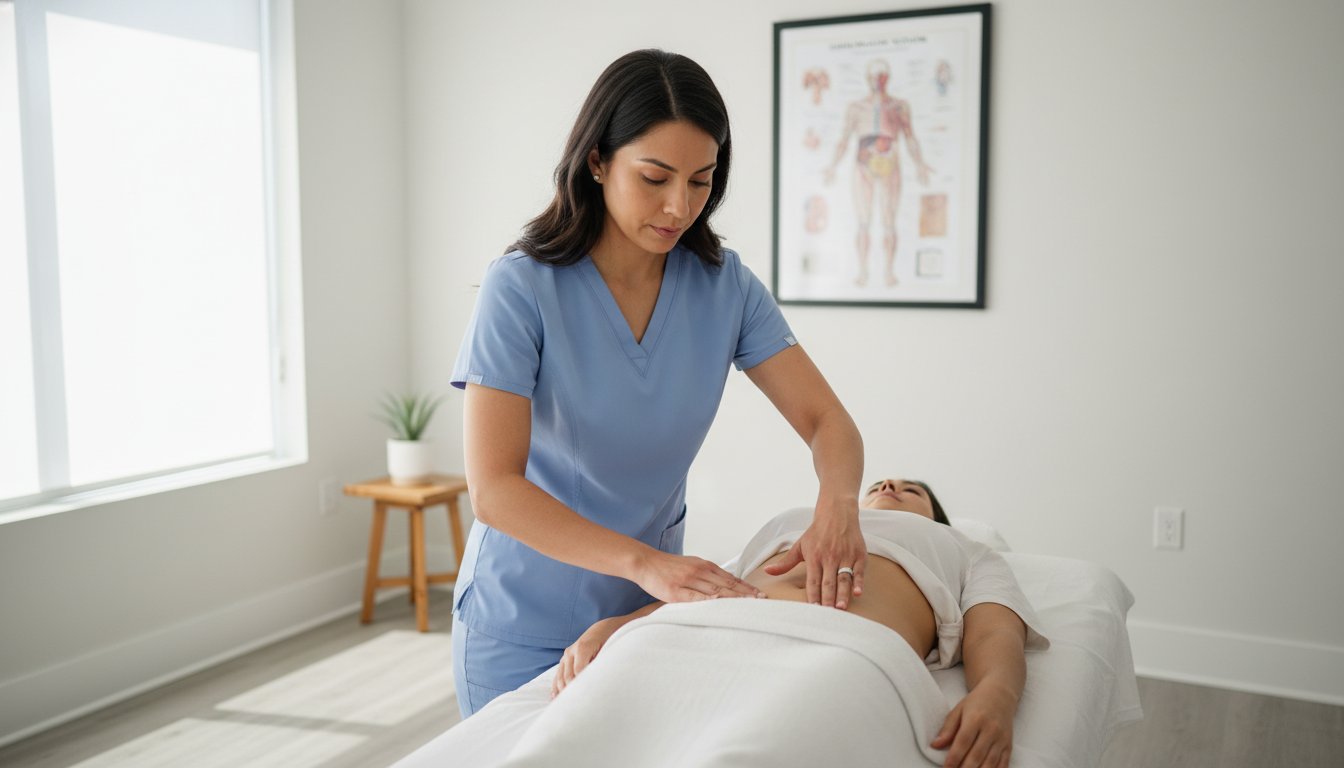
The treatment environment is professional, quiet, and strictly temperature-controlled. Maintaining a stable ambient temperature is a physiological necessity; cold can cause lymphatic vessels to constrict, while excessive heat can increase the local fluid load. During the session, you’ll experience a rhythmic, soothing sensation. The pressure is intentionally light, designed to engage the initial lymph capillaries located just beneath the skin without triggering a defensive muscular response or collapsing the fragile vessels. It’s a specialized touch that prioritizes physiological results over the deep-tissue manipulation found in recreational massage.
After the session, it’s common to experience a shift in energy levels and an increase in urination. These are positive indicators that your body is effectively processing and eliminating the mobilized fluid and metabolic waste. Proper hydration is essential during this period to support your kidneys as they filter the systemic load released during the treatment.
The Clinical Protocol: Step-by-Step
The session follows a logical, sequential flow to ensure maximum fluid transport. We begin with guided diaphragmatic breathing, which creates a pressure change in the thoracic duct to open deep lymphatic pathways. Next, the therapist clears the "terminus" at the base of the neck, where lymph fluid re-enters the venous circulation. Only after these central pathways and regional lymph nodes are cleared does the therapist begin targeted drainage of the affected surgical site or swollen area. This "unplugging the drain" methodology is what makes clinical manual lymphatic drainage so effective at reducing acute edema.
Frequency and Duration of Treatment
For post-operative patients in Austin and Cedar Park, a standard recovery timeline typically involves sessions 2 to 3 times per week for the first 14 days. This frequency is critical for managing the peak inflammatory phase and preventing the onset of fibrosis. For those managing chronic lymphedema, maintenance schedules are more longitudinal. Central Texas residents often require increased frequency during the high-heat months of summer, as rising temperatures cause vasodilation and exacerbate swelling. You’ll recognize the treatment is working when you feel a significant reduction in tissue tension, a visible decrease in girth, and a lifting of the "heavy" sensation in the affected limbs.
Advancing Your Path to Physiological Recovery
Navigating the complexities of physical healing requires a shift from general wellness to evidence-based medical intervention. As established, clinical manual lymphatic drainage is a precise methodology designed to manage fluid dynamics and prevent the formation of restrictive scar tissue. By prioritizing the Vodder technique and adhering to the standards of a Certified Lymphatic Therapist (CLT), you ensure that your recovery is guided by anatomical science rather than recreational trends. This distinction is especially critical for those managing the delicate stages of post-cosmetic surgery or chronic lymphedema.
Securing the right clinical partner is the most impactful step you can take toward optimizing your results and restoring your mobility. If you're seeking specialized care for post-operative inflammation or chronic swelling, schedule your clinical MLD consultation with Criselda White in Austin. As a specialist dedicated to post-cosmetic surgery recovery, Criselda provides expert care to patients throughout Austin, Cedar Park, and Georgetown. Your body possesses a remarkable capacity for repair; the right therapeutic support ensures that process remains efficient and safe. We look forward to supporting your journey toward a smoother, healthier recovery.
Frequently Asked Questions
Is clinical manual lymphatic drainage painful?
No, professional manual lymphatic drainage is entirely painless and should never cause discomfort. The technique involves a light, rhythmic skin stretch that targets the superficial lymphatic collectors without engaging the deeper muscle layers. If you experience pain or bruising, the practitioner is likely applying excessive pressure, which can damage fragile vessels and increase inflammation.
How many sessions of MLD do I need after a tummy tuck or lipo?
A standard recovery protocol typically involves two to three sessions per week during the first 14 days post-surgery. This frequency is essential for managing acute inflammation and ensuring even fluid distribution. The total number of sessions depends on your body's specific tissue response and the volume of fluid removed during your procedure.
Can I perform lymphatic drainage on myself at home?
While clinicians can teach basic self-care techniques, clinical manual lymphatic drainage requires a certified professional to be effective for medical recovery. A therapist must assess the tissue state and reroute fluid around damaged pathways or surgical incisions toward functional lymph nodes. Professional intervention is necessary to identify and prevent complications like seromas or fibrosis.
What is the difference between MLD and a "lymphatic massage" at a spa?
Clinical MLD is a medical intervention performed by a Certified Lymphedema Therapist (CLT) who has completed the benchmark 135-hour training program. Spa-based "lymphatic massage" is often a recreational service that lacks the anatomical precision needed for post-surgical care. Clinical practitioners use the Vodder technique to stimulate the lymphangion, prioritizing physiological results over general relaxation.
How soon after surgery can I start clinical MLD in Austin?
Most patients begin their clinical sessions within 24 to 48 hours after their procedure, provided they have clearance from their surgeon. Early intervention is the most effective way to manage the immediate post-operative inflammatory response. Starting early helps reduce tissue tension and prevents the accumulation of protein-rich fluid that leads to tissue hardening.
Does health insurance cover manual lymphatic drainage for lymphedema?
Medicare covers manual lymphatic drainage when it's medically necessary and performed by a qualified clinician or therapist. Coverage for private insurance varies significantly depending on your specific policy and the medical necessity of the treatment. It's best to contact your insurance provider directly to verify their requirements for lymphedema management services.
Why do I need to drink so much water after my MLD session?
Hydration is critical because it assists the kidneys in filtering and eliminating the systemic load mobilized during your session. The treatment moves fluid and metabolic waste back into the venous system, where it's eventually processed by the renal system. Increasing your water intake ensures this waste removal process is efficient and helps you avoid post-session fatigue.
Can MLD help with fibrosis or hard lumps after liposuction?
Yes, consistent clinical care is the primary tool for preventing and managing post-surgical fibrosis. When protein-rich fluid stagnates in the tissue, it can harden into irregular lumps. Professional drainage techniques move this fluid before it has a chance to solidify, ensuring the skin adheres smoothly to the underlying muscle for an optimal aesthetic result.


