
The success of your cosmetic surgery isn't finalized in the operating room; it's determined by the physiological management of your tissues during the critical weeks following the procedure. Seeking clinical post-op lymphatic drainage Austin is a biological necessity for those who want to safeguard their results against the risks of permanent fibrosis and chronic edema. You're likely experiencing the intense pressure of inflammatory fluid and perhaps even the fear that temporary lumps might become permanent scars. It's common to feel a disconnect between the precision of your surgery and the generalized, often confusing advice found in recovery forums.
We recognize that this stage of healing feels vulnerable and physically demanding. This guide provides the clinical clarity required to navigate your recovery with precision, ensuring your lymphatic system is properly supported to protect your surgical investment. You'll learn the specific mechanics of manual lymphatic drainage, why medical-grade therapy is distinct from recreational massage, and how a structured therapeutic plan prevents scar tissue while accelerating your return to daily life. We'll break down the anatomical requirements for effective fluid clearance so you can move forward with confidence in your body's ability to heal.
Key Takeaways
- Understand how surgical trauma alters your lymphatic pathways and why clinical intervention is necessary to restore physiological homeostasis.
- Identify the biological risks of stagnant edema, specifically how it can't be left to resolve on its own without risking permanent tissue fibrosis.
- Learn to distinguish between evidence-based Manual Lymphatic Drainage and dangerous, aggressive "draining" techniques that can compromise your surgical results.
- Discover the essential clinical standards and certifications you'll need to choose a safe provider for post-op lymphatic drainage Austin.
- Explore how specialized protocols like "Build and Sculpt" use anatomical precision to protect your aesthetic investment and accelerate your recovery.
The Science of Post-Op Recovery: Why Lymphatic Drainage is Essential
Post-surgical recovery is not a passive event. It's a complex physiological reorganization that requires precise management to ensure optimal results. Manual lymphatic drainage (MLD) is a specialized, medical-grade technique designed to stimulate the movement of lymph fluid through the body's tissues. While many associate massage with muscle relaxation, clinical MLD is a distinct therapeutic modality that targets the superficial lymphatic system located just beneath the skin. It's an essential component of post-op lymphatic drainage Austin protocols because it addresses the biological reality of tissue trauma.
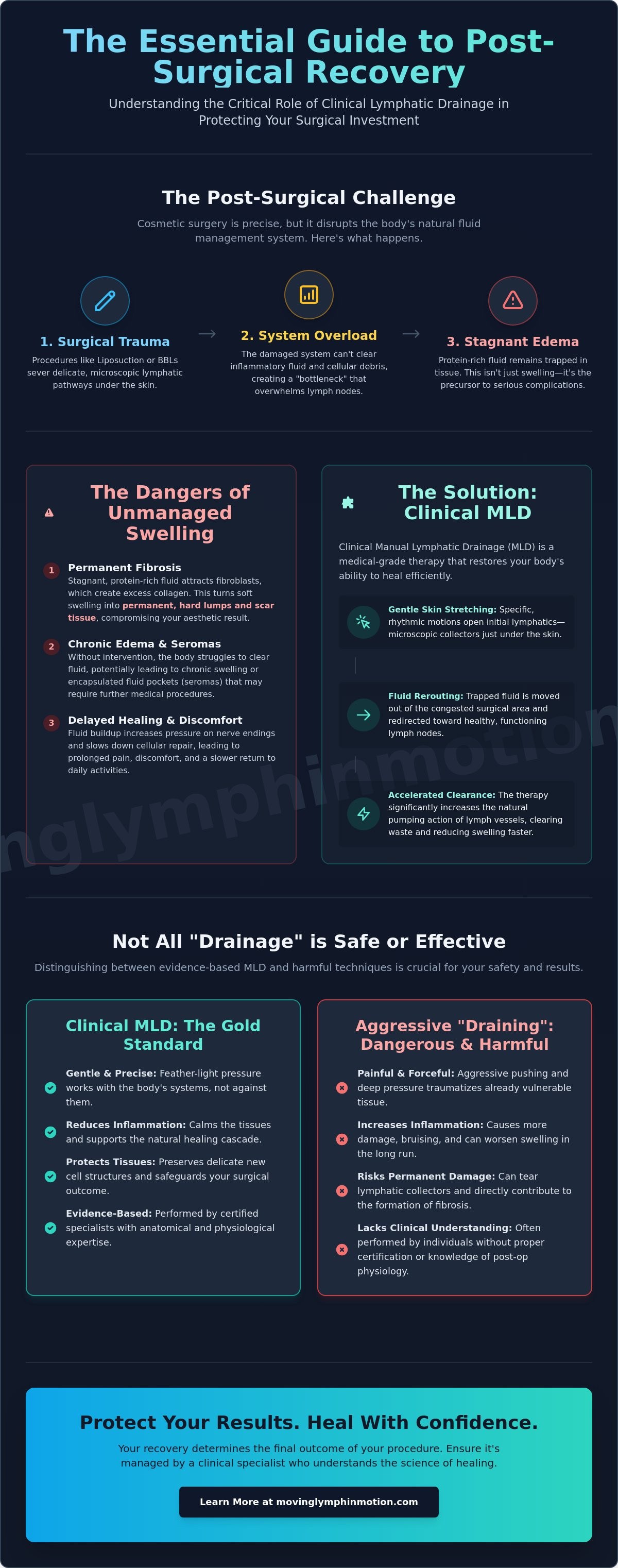
Invasive procedures like Liposuction or a Brazilian Butt Lift (BBL) involve mechanical disruption that severs delicate lymphatic pathways. When these vessels are damaged, the body's ability to transport fluid is temporarily compromised. The lymphatic system serves as the body's primary waste removal network, clearing cellular debris and inflammatory proteins that accumulate after surgery. Unlike blood, which is pumped by the heart, lymph depends on external pressure and vessel contractions to move. Without clinical intervention, these inflammatory materials remain trapped in the interstitial space, leading to prolonged discomfort and potential complications.
It's vital to distinguish between systemic edema and localized post-surgical swelling. Systemic edema often involves the entire body and stems from internal organ dysfunction or chronic conditions. In contrast, post-surgical swelling is a direct consequence of localized tissue injury and lymphatic interruption within the operative field. Managing this specific type of fluid accumulation requires an expert understanding of fluid dynamics and anatomical redirecting.
Anatomy of Surgical Inflammation
Trauma from surgery triggers an immediate flood of interstitial fluid into the spaces between your cells. This is a natural defense mechanism, yet it often leads to a "bottleneck" effect where the regional lymph nodes become overwhelmed by the sheer volume of waste. These nodes act as biological filters, and when they can't process fluid quickly enough, the area becomes congested. Post-op edema is the accumulation of this protein-rich fluid within the interstitial space following surgical trauma. If this fluid isn't moved efficiently, it can lead to increased pressure on nerve endings and a slower rate of cellular repair.
The Role of MLD in Fluid Dynamics
Clinical post-op lymphatic drainage Austin utilizes specific manual stretching of the skin to open the initial lymphatics. These microscopic collectors are equipped with swinging flaps that open when the skin is stretched in a specific direction, allowing stagnant fluid to enter the system. This process significantly increases lymph angion motoricity, which refers to the rhythmic contraction of the "lymph hearts" that pump fluid toward healthy nodes. Timing these sessions within the inflammatory window is critical. By intervening early, we can move fluid before it begins to gel or thicken, which is the primary cause of post-surgical lumps and hardness.
Preventing Post-Surgical Complications: Fibrosis and Seromas
Stagnant fluid isn't just a temporary inconvenience; it's a precursor to permanent structural changes in your skin. When post-surgical edema remains in the interstitial space too long, it undergoes a transformation. The high protein content in the fluid attracts fibroblasts, which begin a process of collagen synthesis. This is the biological foundation of fibrosis: the development of excess fibrous connective tissue. Without professional post-op lymphatic drainage Austin, these areas can transition from soft swelling into permanent, palpable lumps that compromise your aesthetic outcome. Utilizing post-op lymphatic drainage Austin as a preventative measure allows for the early detection of these tissue changes before they become fixed.
Protecting the skin from all forms of inflammatory stress is vital during this period; for instance, the specialists at Local Foot Doc point out that even common issues like sun damage can significantly increase localized edema and delay the recovery of sensitive tissues.
A clinical specialist acts as an essential safeguard during your recovery. We provide "another set of eyes" to monitor the healing process, often identifying subtle changes in tissue density that you might miss. This proactive approach ensures that any deviation from a normal recovery path is addressed immediately. Our role is to act as your clinical partner, offering an evidence-based perspective that prioritizes the health of your tissues and the longevity of your surgical results.
Identifying and Preventing Fibrosis
During the remodeling phase of healing, your body works to repair the trauma site. If the environment remains congested, the tissue loses its natural suppleness. Clinical MLD ensures that the tissue remains hydrated and pliable by constantly cycling out cellular waste and stagnant proteins. We use specific manual techniques to manage early-stage scar tissue, preventing the "hardening" effect that leads to chronic tissue restriction. It's about maintaining the integrity of the skin's texture through precise manual intervention rather than waiting for problems to arise.
Managing Seromas and Chronic Edema
Seromas are localized collections of serous fluid that often form in the "dead space" where tissue was removed during procedures like a tummy tuck or liposuction. A seroma typically feels like a fluctuant, water-balloon-like mass under the skin. While small seromas may be reabsorbed, larger ones can become encapsulated. The Science of Post-Op Recovery confirms that manual lymphatic drainage effectively reroutes fluid away from these compromised areas toward functional lymphatic watersheds. This reduces the hydraulic pressure that contributes to seroma formation. Combining manual therapy with properly fitted compression garments creates a necessary synergy; the garment provides resistance while the therapist provides the directional guidance for the fluid. If you're concerned about the texture of your recovery, you can consult with a post-surgical specialist to ensure your healing is on the right trajectory.
Clinical MLD vs. Aggressive Massage: Protecting Your Investment
A common yet dangerous misconception in the recovery community is that pain is a necessary indicator of therapeutic progress. In reality, the opposite is true for lymphatic health. Seeking post-op lymphatic drainage Austin should never involve the aggressive, high-pressure maneuvers often popularized on social media. Techniques that involve "milking" fluid out of open incisions or applying heavy force to traumatized tissue are not only physiologically unsound but also carry significant risks of infection and tissue damage. These aggressive methods ignore the delicate nature of the lymphatic system's recovery phase.
When you undergo an invasive procedure, your body begins the arduous task of regenerating microscopic lymphatic capillaries. These vessels are incredibly fragile. Applying excessive pressure during this vulnerable window can crush these newly forming pathways, leading to increased inflammation, prolonged bruising, and localized internal bleeding. Recreational spa techniques or deep tissue work are designed for healthy muscle tissue, not for a body navigating the complexities of surgical trauma. Choosing a clinical specialist ensures that your recovery is managed with the anatomical respect it deserves.
The Danger of High-Pressure Techniques
Deep tissue massage is strictly contraindicated during the first six weeks following cosmetic surgery. The mechanical stress of high-pressure work can cause fat necrosis, where fat cells are damaged and form firm, painful lumps or oil cysts. This often leads to visible skin irregularities that can permanently mar your surgical results. It's a clinical reality that effective MLD requires only the pressure of a nickel. This light, intentional touch is sufficient to stimulate the initial lymphatics without causing further trauma to the underlying structures or compromising the integrity of your results.
The Vodder Method: The Clinical Gold Standard
At Lymph in Motion, we utilize the Vodder method, which is the internationally recognized gold standard for manual lymphatic drainage. This technique relies on a specific, rhythmic, and circular stroke that mimics the natural pulse of the lymphatic system. This precise movement stretches the skin in a way that encourages the lymph angions to contract more frequently, accelerating the removal of waste. A critical component of this protocol is "clearing" the proximal nodes-those closest to the heart-before addressing the distal areas of swelling. By opening the main drainage points first, we create a clear path for the fluid to move, ensuring that your post-op lymphatic drainage Austin sessions are both safe and highly effective.
Choosing a Post-Op Specialist in Austin: Qualifications and Standards
Selecting a practitioner to manage your recovery is a decision that directly impacts the finality of your surgical results. Finding qualified post-op lymphatic drainage Austin requires more than a simple search for local massage therapy; it demands a verification of clinical credentials. You should prioritize therapists who hold recognized certifications such as Certified Lymphatic Therapist (CLT) or MLD-C. These designations indicate that the professional has undergone rigorous training in the anatomy and physiology of the lymphatic system, far exceeding the basic requirements of a standard massage license. It's also essential to inquire about their specific training hours dedicated to post-operative cosmetic surgery, as the management of surgical trauma requires specialized protocols distinct from general lymphedema care.
The environment where you receive treatment should reflect the medical seriousness of your recovery. A clinical setting prioritizes hygiene, proper positioning, and anatomical focus over recreational aesthetics. This professional atmosphere ensures that your healing is monitored with the precision of a medical auxiliary. Your therapist must also demonstrate the ability to communicate effectively with your surgical team. A specialist who can articulate your progress using clinical terminology ensures a seamless continuum of care between your Austin-based surgeon and your recovery therapist.
Essential Vetting Questions for Central Texas Patients
Before committing to a plan of care, you must ensure your therapist's methodology aligns with safe, evidence-based practices. Use these questions to vet potential providers:
- What is your protocol for handling post-op fibrosis? A qualified specialist will describe manual techniques designed to maintain tissue suppleness rather than aggressive "breaking down" of tissue.
- Do you practice incisional drainage? Any therapist who suggests pushing fluid out of open wounds is practicing a dangerous, non-clinical technique that increases infection risks. Professional MLD relies on internal transport through the lymphatic vessels.
- Do you provide guidance on compression and foam placement? Proper recovery requires a comprehensive understanding of how external pressure supports lymphatic flow.
Local Surgeon Collaboration in Austin and Cedar Park
A therapist who understands the specific protocols of local surgeons in Austin and Cedar Park provides an invaluable advantage. Every surgeon has unique preferences for compression timelines and activity restrictions; your recovery specialist should respect and integrate these directives into your manual therapy plan. This collaboration ensures that your plan of care is shareable with your surgical team, fostering transparency and safety. For those recovering in surrounding areas like Round Rock, Georgetown, and Liberty Hill, finding a clinical specialist who maintains these high standards is the most effective way to protect your aesthetic investment. If you're ready to secure your recovery with a specialist who prioritizes clinical results, you can schedule a clinical consultation to discuss your personalized recovery path.
Lymph in Motion: Clinical Post-Op Protocols by Criselda White
Criselda White brings a high-formality, clinical focus to the recovery landscape in Central Texas. Her practice, Lymph in Motion by Criselda White, operates as a dedicated therapeutic entity rather than a traditional wellness center. This distinction is critical for patients seeking post-op lymphatic drainage Austin because it ensures every manual intervention is rooted in physiological evidence. Criselda’s "Build and Sculpt" philosophy goes beyond simple edema reduction; it utilizes manual precision to refine and protect the contours created by your surgeon. By focusing on tissue health and fluid dynamics, this approach enhances the long-term aesthetic outcome of your procedure while maintaining a high level of respect for the body's natural healing timeline.
The clinical environment at Lymph in Motion by Criselda White is specifically engineered to accommodate the physical limitations and hygiene requirements of post-surgical patients. Every protocol is designed to instill confidence and provide a sense of safety during a vulnerable period of physical change. For those recovering from facial procedures, such as deep plane facelifts or chin liposuction, we offer specialized Buccal massage. This intra-oral technique addresses deep tissue swelling and muscle tension that external drainage alone cannot reach. It's this level of individualized, specialized care that separates clinical recovery from standard aftercare, ensuring that every facet of your surgical investment is protected.
Personalized Recovery Mapping
We don't believe in a standardized approach to healing. Each surgical procedure creates a unique set of anatomical challenges. For example, recovery from liposuction requires efficient clearance of inflammatory waste, while a BBL requires a delicate balance of fluid management that avoids any direct pressure on newly grafted fat cells. Tummy tuck recovery involves managing tension across the incision line while encouraging the reattachment of the skin flap. Our personalized recovery mapping integrates scar tissue management and edema reduction into a cohesive plan that prioritizes your safety and physiological integrity. This methodical rhythm ensures your post-op lymphatic drainage Austin sessions move at a pace that feels intentional and well-paced.
Schedule Your Austin Recovery Consultation
Timing your intervention is essential for managing the initial inflammatory surge. We recommend scheduling your first session within 24 to 72 hours post-op, once you've received clearance from your surgeon. This early intervention helps prevent the accumulation of protein-rich fluid that leads to fibrosis. Before your first clinical visit, ensure you have your compression garments and any specific directives from your surgical team ready for review. You can secure your post-op recovery path with Lymph in Motion by Criselda White today to ensure your healing process is managed with clinical excellence from the very beginning.
Securing Your Aesthetic Results Through Clinical Aftercare
Your surgical journey reaches its final phase through the meticulous management of your body's inflammatory response. We've established that evidence-based manual lymphatic drainage is a physiological requirement to prevent the gelling of interstitial fluid and the subsequent formation of permanent fibrosis. By prioritizing medical-grade protocols over aggressive, non-clinical techniques, you protect the delicate regeneration of lymphatic capillaries and ensure your tissues remain supple and healthy. Choosing a specialist with a dedicated focus on post-operative recovery is the most effective way to safeguard your investment.
Investing in post-op lymphatic drainage Austin ensures your recovery is guided by Certified Manual Lymphatic Drainage Specialists who understand the specific requirements of cosmetic procedures. At Lymph in Motion, we provide specialized post-op cosmetic surgery protocols designed for patients in Austin, Cedar Park, and Georgetown. Our focus remains on your safety and the optimization of your physiological results. You don't have to navigate the complexities of surgical swelling alone. Book Your Clinical Post-Op Recovery Session in Austin to begin your structured path toward a faster, more comfortable return to your normal activities. Your body possesses an incredible capacity to heal when supported by clinical expertise.
Frequently Asked Questions
How soon after surgery should I start lymphatic drainage in Austin?
Start your sessions between 24 and 72 hours after your procedure, provided your surgeon has given clearance. This early window is critical for managing the initial inflammatory surge before fluid begins to gel. Implementing post-op lymphatic drainage Austin during this timeframe helps maintain tissue suppleness and prevents the accumulation of waste that leads to chronic hardness. We adapt the intensity based on your specific inflammatory markers and surgical trauma.
Is post-op lymphatic drainage supposed to be painful?
Clinical manual lymphatic drainage is never painful and shouldn't cause discomfort. The technique utilizes extremely light pressure, equivalent to the weight of a nickel, to stimulate the superficial lymphatics without disturbing deep tissue. If a session feels aggressive or painful, it's likely a recreational massage technique rather than medical-grade MLD. Pain during recovery signifies additional tissue trauma, which is counterproductive to the physiological healing process we aim to support.
How many sessions of MLD will I need after Liposuction?
Most patients undergoing liposuction require between 10 and 15 sessions to achieve optimal tissue remodeling. The first five sessions focus on reducing acute edema and clearing cellular debris, while subsequent visits address the maturing scar tissue and skin adherence. We monitor your progress at every stage, adjusting the frequency based on how your body processes the inflammatory load. Consistent sessions ensure a smoother aesthetic result and a faster return to normal activities.
Can I do lymphatic drainage on myself at home?
Self-drainage isn't recommended for post-surgical recovery because it lacks the anatomical precision required to redirect fluid around damaged pathways. Clinical MLD involves a deep understanding of lymphatic watersheds and how to bypass compromised nodes. Attempting to move fluid yourself can inadvertently push edema into areas already congested, potentially worsening the bottleneck effect. Professional intervention ensures that fluid is moved safely toward healthy, functional drainage points in the body.
Why do some surgeons in Austin recommend MLD while others do not?
Surgeon recommendations often depend on their specific training and clinical observations of patient outcomes. While some focus strictly on the surgical intervention, many modern practitioners in Central Texas recognize that manual drainage accelerates the resolution of edema and bruising. Surgeons who prioritize long-term skin texture and the prevention of fibrosis often make post-op lymphatic drainage Austin a standard part of their recovery protocols. It's a collaborative effort to ensure your surgical results are protected.
Will lymphatic drainage help with the "lumps" I feel after my BBL?
Specialized drainage is highly effective at resolving the lumps often felt after a BBL or liposuction. These lumps are typically pockets of trapped, protein-rich fluid that haven't yet hardened into permanent scar tissue. By stimulating the lymph angions, we facilitate the removal of this fluid, which helps the skin lay flat and smooth against the underlying muscle. Early intervention is key to ensuring these temporary textures don't become permanent fibrotic irregularities.
Do you collaborate with plastic surgeons in Cedar Park and Round Rock?
We maintain professional relationships with surgical teams across Cedar Park, Round Rock, and the greater Austin area. This collaboration ensures that our manual protocols align with your surgeon’s specific post-operative requirements and timelines. We're prepared to share progress notes and clinical observations with your surgical team to ensure a seamless continuum of care. This partnership prioritizes your safety and ensures that your recovery plan is fully integrated with your surgical journey.
What should I wear to my post-op lymphatic drainage session?
Wear loose, easily removable clothing and bring your prescribed compression garment to every session. You'll typically be draped for comfort and warmth during the treatment, but we need access to the surgical sites and regional lymph nodes. If your surgeon has provided specific foams or boards, bring those as well. We'll assist with the proper reapplication of your compression gear after the session to ensure the manual drainage is supported by consistent external pressure.


