

Most patients view post-operative edema as a passive waiting game, yet your lymphatic system is actually navigating a significant structural detour that requires active clinical intervention to resolve. If you're feeling that restrictive abdominal tightness or questioning whether your results are obscured by fluid, you're experiencing the most challenging phase of the recovery journey. Understanding how to reduce swelling after tummy tuck surgery is not just about comfort; it's about ensuring your body doesn't develop permanent, hard scar tissue known as fibrosis.
You deserve a recovery that's as precise as the surgery itself. This guide provides a clinical roadmap to master the physiological steps necessary to manage post-abdominoplasty edema and accelerate your healing. We'll explore the anatomical role of manual lymphatic drainage, the mechanics of proper compression, and the lifestyle adjustments that ensure your final contour is sharp and defined. By the end of this article, you'll have a clear, evidence-based strategy to move from discomfort to a faster, safer return to your normal activities.
Key Takeaways
- Learn why surgical undermining disrupts natural fluid pathways and how to facilitate the anatomical re-routing of interstitial fluid to intact lymph nodes.
- Master the technical application of compression and "V-shaped" elevation to effectively manage how to reduce swelling after tummy tuck during the initial recovery phase.
- Identify inflammatory dietary triggers and utilize bromelain-rich nutrition to support cellular repair and minimize post-operative edema.
- Understand the clinical necessity of Manual Lymphatic Drainage (MLD) in preventing permanent tissue fibrosis and ensuring a smooth, defined abdominal contour.
- Discover how to coordinate professional post-operative care with a Certified Lymphatic Therapist to maintain a high standard of surgical safety and results.
Understanding the Physiology of Post-Abdominoplasty Edema
Post-surgical edema is a predictable physiological response to the trauma of an abdominoplasty procedure overview. It involves the accumulation of interstitial fluid within the extracellular space. While most patients focus on the aesthetic result, the body is busy managing a significant inflammatory cascade. This fluid buildup isn't just a side effect; it's a direct consequence of how the surgery alters your internal landscape. Understanding this process is the first step in learning how to reduce swelling after tummy tuck surgery effectively.
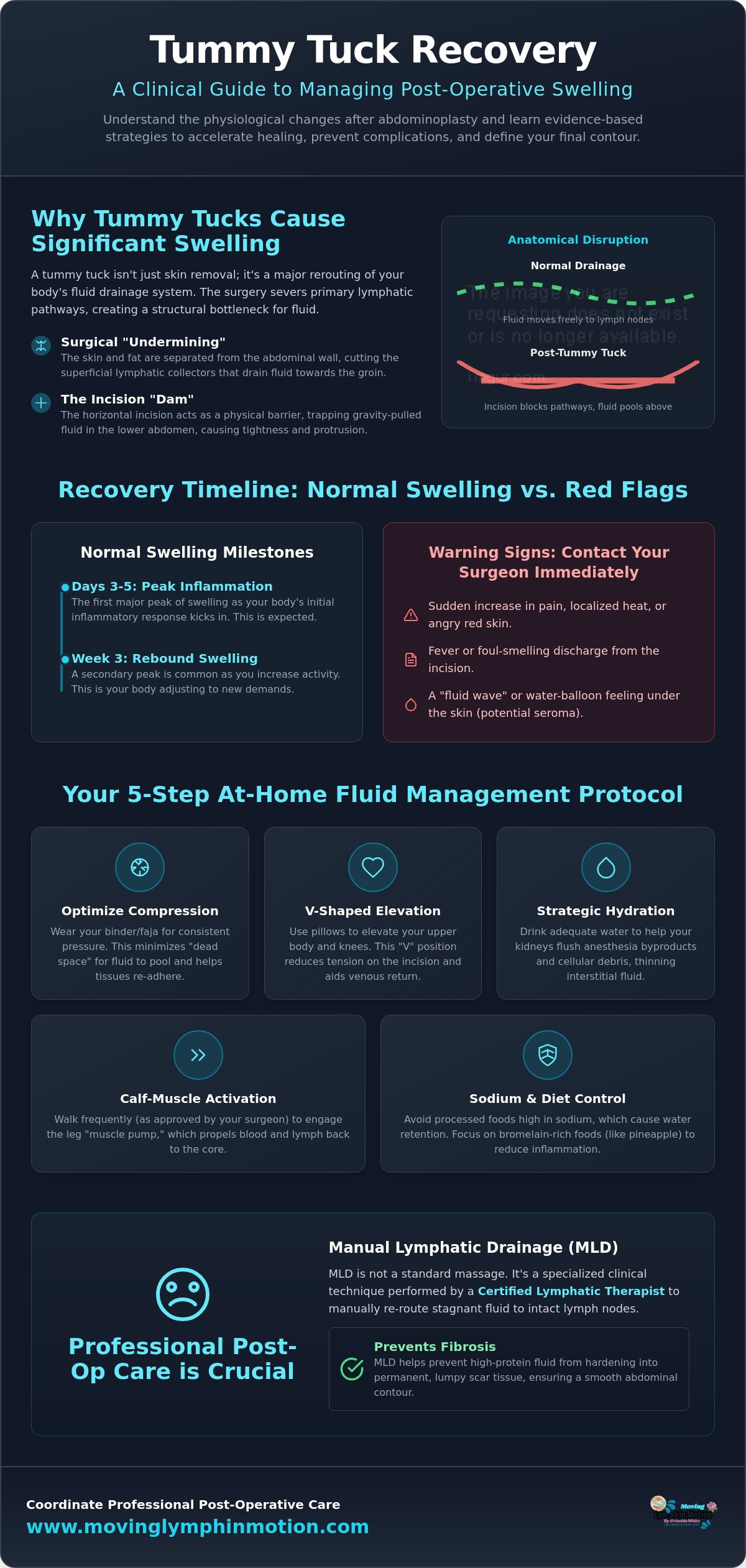
During the procedure, the surgeon performs "undermining," which involves separating the skin and subcutaneous fat from the underlying abdominal wall. This process inevitably severs the superficial lymphatic collectors that normally transport fluid toward the groin. Because these primary drainage routes are physically disconnected, the lower abdomen often becomes a reservoir for fluid. Gravity pulls this volume downward, where it meets the surgical boundary of the incision. This creates the characteristic tightness and protrusion that many patients find uncomfortable. It's a structural bottleneck that requires the body to find new, alternative pathways for fluid clearance.
It's vital to distinguish between acute inflammatory swelling and chronic post-operative lymphedema. Acute swelling is a temporary part of the early healing phases. It's the body's way of delivering white blood cells and nutrients to the site of repair. Chronic lymphedema, however, occurs when the lymphatic system cannot compensate for the structural damage over the long term. This leads to persistent, high-protein fluid accumulation that can eventually cause tissue changes if not managed by a specialist.
Why Tummy Tucks Cause More Swelling Than Other Surgeries
Normal Swelling vs. Red Flags: When to Contact Your Surgeon
Understanding the timeline helps manage expectations for how to reduce swelling after tummy tuck procedures. You'll likely notice a peak in inflammation between days 3 and 5, with a secondary rebound peak around week 3 as you become more active. These are normal milestones. However, you must monitor for seromas. These are localized pockets of fluid that feel like a "fluid wave" or a water balloon moving under the skin. While some fluid is expected, a sudden increase in pain, localized heat, or skin that is red and angry may indicate a hematoma or infection. If you experience a fever or any foul-smelling discharge from the incision, contact your surgical team immediately.
Immediate At-Home Strategies for Fluid Management
While the body works to re-route fluid around surgical boundaries, your daily habits directly influence the speed of this process. Implementing a structured home care routine is essential for anyone researching how to reduce swelling after tummy tuck procedures. These steps focus on mechanical support and biochemical balance to prevent fluid stagnation. A disciplined approach during the first fourteen days can significantly alter your long-term contour results by preventing the buildup of stubborn edema.
- Optimize Compression: Ensure your binder or faja provides consistent pressure without restricting deep diaphragmatic breathing.
- V-Shaped Elevation: Use pillows to elevate your upper body and knees, creating a "V" that reduces tension on the incision and assists venous return.
- Strategic Hydration: Consume adequate water to help the kidneys process anesthesia byproducts and cellular debris.
- Calf-Muscle Activation: Walk frequently to engage the "muscle pump" in your legs, which helps move blood and lymph back toward the heart.
- Sodium Restriction: Eliminate processed foods that cause the body to hold onto excess water through osmotic pressure at the surgical site.
Managing these variables requires a clinical mindset. You aren't just resting; you're actively managing the fluid dynamics of your healing tissues. When these steps are performed in unison, they create an environment where the lymphatic system can function more efficiently despite the recent trauma.
The Clinical Role of Compression and Foams
Medical-grade compression serves a dual purpose. It physically minimizes "dead space" where fluid might otherwise pool and provides a stable environment for tissues to re-adhere to the abdominal wall. Integrating Lipo Foams beneath your garment can prevent localized pressure points and skin contour irregularities. However, excessive tightness is counterproductive. If a garment is too restrictive, it can actually collapse the delicate superficial lymphatic vessels you're trying to protect. Following a professional tummy tuck recovery guide ensures you maintain the delicate balance between support and circulation.
Movement Protocols: The 'Anti-Stagnation' Walk
Movement must be intentional and measured. In the first few days, you'll likely maintain a "hunched" posture to protect the muscle repair and incision. This is normal. Your goal is to walk for 5 to 10 minutes every two hours while awake. This low-intensity activity prevents blood clots and keeps the lymphatic system engaged. Avoid high-impact exercise or heavy lifting for at least six weeks, as these activities trigger secondary inflammation that can set your progress back. For those seeking personalized guidance on these protocols, you can schedule a post-operative consultation to refine your recovery plan.
The Role of Manual Lymphatic Drainage (MLD) in Recovery
Clinical Manual Lymphatic Drainage (MLD) is a specialized, non-invasive therapy that serves as the cornerstone of post-operative care. Unlike traditional massage, MLD utilizes light, rhythmic skin-stretching techniques to stimulate the contraction of lymphatic vessels. This is a critical component of how to reduce swelling after tummy tuck surgery because it addresses the structural damage discussed in earlier sections. By manually guiding interstitial fluid toward intact lymph nodes in the axilla, or underarms, a therapist creates a functional bypass for the fluid that would otherwise remain trapped at the incision site.
Timing is essential for optimal results. Most patients can safely begin MLD as early as day 3 to 5 post-op, once the initial acute phase has stabilized. Early intervention is the most effective way to prevent the formation of fibrosis. Fibrosis is the development of hard, thick scar tissue that occurs when protein-rich fluid stagnates and eventually "glues" tissue layers together. Evacuating this fluid early ensures a softer, more natural abdominal contour. A professional Tummy tuck recovery plan almost always includes these sessions to manage the internal environment of the healing tissue effectively.
Clinical MLD vs. Standard Post-Op Massage
It's vital to distinguish clinical MLD from deep-tissue or "body contouring" massages. Aggressive manual techniques are strictly contraindicated during the first 6 weeks of recovery. Excessive pressure can lead to incisional dehiscence, where the surgical wound begins to pull apart, or the formation of painful seromas. MLD is specifically designed to be gentle enough that it does not disrupt the internal sutures or the skin's adherence to the muscle wall. Beyond fluid movement, MLD helps down-regulate the sympathetic nervous system. This shift into a "rest and digest" state can significantly lower pain perception and systemic inflammation.
What to Expect During a Professional MLD Session
A clinical session follows a specific physiological sequence. The therapist begins by "opening" proximal lymph nodes in the neck and underarms before addressing the surgical site. This clears the "pipes" so the abdominal fluid has somewhere to go. The treatment is entirely painless and often feels deeply relaxing. You may notice immediate physiological markers of success, such as a localized reduction in "tightness" or a sudden increase in the need to urinate as the body filters the mobilized fluid. For residents in Central Texas, you can book a clinical MLD session to begin this specialized recovery process.
Nutrition and Lifestyle for Long-Term Inflammation Control
Your internal biochemistry is just as influential as external compression when determining how to reduce swelling after tummy tuck surgery. While the first few weeks focus on mechanical fluid evacuation, long-term inflammation control depends on the nutrients available for cellular repair. A clinical recovery diet prioritizes high-quality lean proteins, which provide the essential amino acids required to rebuild the abdominal wall and skin. Additionally, incorporating bromelain, an enzyme found in pineapple, can help modulate the inflammatory response and assist in the breakdown of metabolic byproducts that contribute to edema.
Managing the "salt trap" is a critical daily discipline. Hidden sodium in processed or restaurant foods creates osmotic pressure, causing the body to retain water specifically in areas of recent trauma. Even a single high-sodium meal can lead to a visible surge in abdominal tightness. In Central Texas, the environmental temperature also plays a role. The intense Austin heat can cause vasodilation, which increases blood flow to the skin and can exacerbate swelling during the summer months. To counteract these factors, many specialists recommend clinical supplements like Arnica and Vitamin C, though these must only be used with your surgeon's explicit approval to ensure they don't interfere with blood clotting.
Hydration Science: Beyond Just Drinking Water
Effective hydration is about maintaining the correct balance of electrolytes across cell membranes, not just consuming volume. Pure water is essential, but without adequate minerals like potassium and magnesium, it can sometimes dilute your system rather than flushing the lymphatics. Avoid diuretics such as caffeine and alcohol during the first six weeks. These substances can actually thicken lymphatic fluid, making it more difficult for your system to transport it through the detour pathways created by MLD. Monitor your recovery progress by checking your urine color; it should remain a pale straw yellow to ensure your kidneys are efficiently processing surgical debris.
Environmental Factors and Swelling 'Flare-ups'
As you transition back to daily life, be mindful of environmental triggers. Long-distance travel or flying can cause a significant surge in abdominal edema due to changes in cabin pressure and prolonged sitting. Even your return to work can cause "end-of-day" swelling as gravity pulls fluid toward your lower abdomen over several hours. To mitigate this, maintain your "beach chair" sleep position, keeping the torso and knees slightly elevated to facilitate drainage throughout the night. If you're struggling to manage these fluctuations, you can schedule your post-surgical recovery sessions to ensure your lymphatic system stays ahead of the inflammatory curve.
Navigating Professional Post-Op Care in Central Texas
The transition from immediate at-home care to professional clinical support is where your aesthetic results are truly solidified. While home strategies provide a foundation, mastering how to reduce swelling after tummy tuck surgery requires the specialized expertise of a Certified Lymphatic Therapist (CLT). A CLT possesses the anatomical knowledge necessary to navigate the disrupted lymphatic pathways and ensure that fluid is moved safely toward functional drainage sites. This professional intervention prevents the stagnation that leads to long-term complications and ensures your recovery remains on a precise, clinical trajectory.
Effective recovery is a collaborative effort between your plastic surgeon and your recovery specialist. Your surgeon focuses on the structural integrity of the repair, while the therapist manages the physiological environment of the healing tissue. Integrating a structured plan like Build and Sculpt can bridge the gap between initial drainage and the final, refined contour. For patients in Austin, Cedar Park, and Georgetown, accessing this level of specialized care ensures that your healing process is monitored by a professional who understands the nuances of post-surgical fluid dynamics.
Questions to Ask Your Recovery Specialist
When selecting a clinical partner, it's vital to verify their technical background. Inquire about their specific training in post-operative cosmetic recovery, as this requires a different skill set than general lymphedema management. You should ask about their specific protocols for identifying and managing seromas or the early signs of fibrosis. Given that many abdominoplasty procedures include concurrent liposuction, ensure they have extensive experience with Lipo 360 combination cases. A qualified specialist will be able to explain the "why" behind every manual technique they apply to your body.
Booking Your Recovery Roadmap
The first four weeks are the most critical window for manual intervention. During this period, an ideal frequency is often two to three MLD sessions per week to keep the lymphatic system from becoming overwhelmed. As your healing stabilizes, your sessions will transition from acute fluid evacuation to aesthetic sculpting, focusing on skin adherence and tissue softening. To ensure your recovery follows this methodical path, you can schedule your clinical post-op assessment to start your personalized drainage protocol. This structured approach provides the safety and clinical precision necessary to achieve your desired surgical outcome.
Mastering Your Clinical Recovery Path
Transitioning from the acute surgical phase to your final aesthetic result requires more than just patience. It demands a systematic understanding of your body's altered physiology. You've learned that the secret to how to reduce swelling after tummy tuck surgery lies in the active re-routing of fluid and the diligent application of clinical compression. By prioritizing professional manual lymphatic drainage and anti-inflammatory nutrition, you prevent the development of restrictive fibrosis and protect the integrity of your surgical investment.
Securing your results involves partnering with a specialist who understands the complexities of post-operative tissue states. With specialized Manual Lymphatic Drainage Certification and expertise in post-op fibrosis prevention, we provide the meticulous care necessary for a smooth recovery. We serve patients across Austin, Cedar Park, and the surrounding areas with evidence-based protocols tailored to your unique healing timeline. Book Your Clinical Post-Op Recovery Session in Austin to ensure your contour remains sharp and your healing stays on track. You've already navigated the complexities of surgery; now, let's ensure your recovery is just as precise and successful.
Frequently Asked Questions
How long does swelling last after a tummy tuck?
Acute inflammation typically peaks within the first 10 days, but residual edema can persist for 6 to 12 months. You'll likely see a significant reduction in volume by the 3-month mark as the lymphatic system establishes new drainage pathways. However, minor fluctuations remain normal throughout the first year, particularly after periods of high physical activity or dietary changes that increase systemic sodium levels.
Is it normal for one side of my abdomen to be more swollen than the other?
Asymmetry in post-operative edema is a frequent clinical finding. This often occurs because the degree of surgical undermining or liposuction may vary slightly between the left and right sides of the body. Additionally, your dominant side or preferred sleeping position can influence where fluid naturally accumulates. Unless the swelling is accompanied by localized heat, sharp pain, or redness, it's usually a normal part of the physiological healing process.
Can I do lymphatic drainage on myself at home?
While light, superficial stroking can provide temporary comfort, it cannot replace the specialized technical application of clinical MLD. A therapist must manually stimulate specific proximal nodes to create a functional bypass for fluid. Researching how to reduce swelling after tummy tuck surgery often leads to generic self-care advice, but professional intervention is necessary to move fluid effectively without disrupting internal sutures or delicate healing tissues.
Why is my swelling worse at night or after walking?
This phenomenon is driven by gravity and increased metabolic activity throughout the day. Fluid naturally migrates toward the lower abdomen, especially when standing or walking for extended periods. While walking is encouraged to prevent blood clots, the increased circulation can temporarily overwhelm your compromised lymphatic collectors. Elevating your lower body in the evening helps the venous system assist in fluid return, reducing this characteristic end-of-day tightness.
When will I see the final results of my tummy tuck?
Most patients appreciate their definitive contour between 6 and 12 months post-op. While you'll see a dramatic change once the initial surgical drains are removed, deep-tissue inflammation takes months to fully resolve. The skin also requires significant time to contract and adhere properly to the newly tightened abdominal wall. Patience is a clinical necessity, as the body's remodeling phase is a slow, methodical biological process.
What is 'internal scarring' or fibrosis and how do I prevent it?
Fibrosis is the formation of thick, hard scar tissue that develops when protein-rich fluid is left to stagnate in the interstitial space. It can lead to permanent lumps or a restrictive, "woody" texture in the abdomen. Learning how to reduce swelling after tummy tuck through early fluid evacuation is the most effective way to prevent these adhesions. Consistent compression and professional MLD ensure tissues remain soft and pliable during the remodeling phase.
Can I use a heating pad to help with the tightness and swelling?
You should never use a heating pad on your abdomen during the recovery phase. Heat induces vasodilation, which brings more fluid into the surgical site and significantly increases swelling. Additionally, post-surgical numbness makes it impossible to feel if the skin is reaching a dangerous temperature, leading to a high risk of accidental thermal burns. Stick to the cooling, calming effect of MLD and proper compression to manage discomfort.
How many lymphatic drainage sessions do I actually need?
A standard clinical protocol often involves 10 to 12 sessions, typically scheduled two to three times per week during the first month of recovery. This frequency is designed to match the body's peak inflammatory response and prevent fluid stagnation. As you move into the second month, sessions may decrease in frequency as the lymphatic system begins to compensate. Your therapist will adjust this roadmap based on your specific tissue response and fluid volume.