Aesthetic muscle definition is often a matter of physiological fluid management rather than just repetitive exercise. If you've maintained a strict fitness regimen or underwent a surgical procedure only to find your results obscured by persistent swelling, you're experiencing a common clinical challenge. The build and sculpt body treatment addresses these concerns by bridging the gap between lymphatic health and manual fascial remodeling. This specialized approach moves beyond the scope of recreational massage, focusing instead on the precise manipulation of tissue to reduce inflammation and resolve stubborn fibrosis.
You likely recognize that traditional recovery methods often fail to address the complexities of tissue health and fluid dynamics. Discover how a clinical manual therapy can integrate lymphatic drainage with aesthetic contouring to produce superior, visible results. In this guide, we'll analyze the biological functions that govern skin elasticity and muscle visibility, providing a professional roadmap for those seeking to transition from a state of recovery to one of defined, anatomical clarity.
Key Takeaways
- Distinguish between superficial relaxation techniques and clinical manual contouring designed to address deep anatomical structures.
- Analyze how the build and sculpt body treatment integrates lymphatic fluid management with fascial remodeling to enhance muscle visibility.
- Evaluate the safety and precision advantages of manual tissue manipulation over machine-based modalities, particularly for post-operative recovery.
- Identify specific clinical indicators and contraindications to determine if specialized manual sculpting is appropriate for your physiological state.
- Understand the importance of resolving chronic inflammation and tissue fibrosis to reveal underlying muscle architecture.
What is the Build and Sculpt Body Treatment?
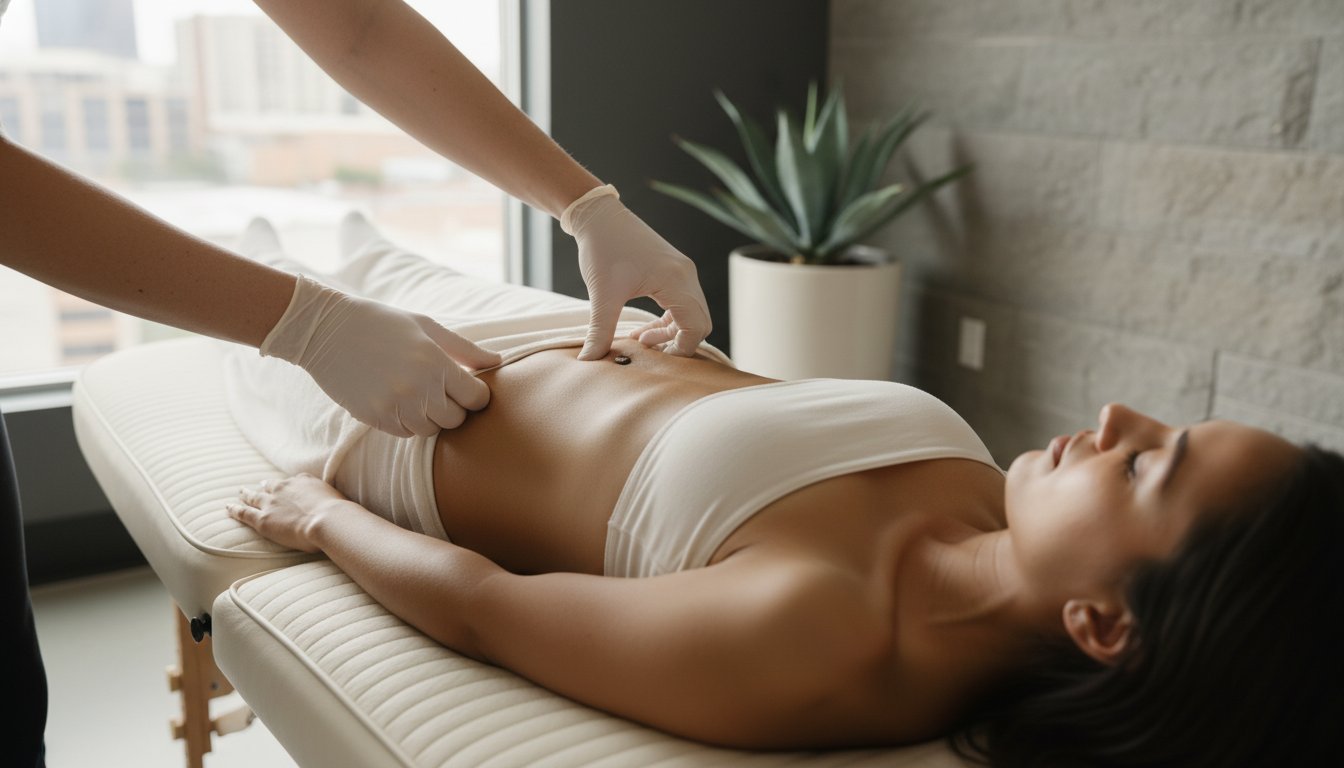
The build and sculpt body treatment is a specialized clinical modality that integrates manual fluid management with deep anatomical manipulation. Unlike recreational massage, which prioritizes general relaxation and superficial touch, this therapy focuses on the physiological state of the subcutaneous tissue and the underlying muscle architecture. The methodology is grounded in the science of tissue health, aiming to resolve the physical barriers that prevent a defined and contoured physique. The foundation of this approach is Manual lymphatic drainage (MLD), a technique designed to stimulate the lymphatic system and facilitate the removal of metabolic waste and excess interstitial fluid.
This treatment is specifically engineered for individuals who require more than just a standard wellness service. It targets the fascial layers that can become adhered or congested, particularly after surgical intervention or intense physical training. By addressing these deep layers, the practitioner can resolve tissue density issues that often obscure natural muscle lines. The primary goals are clear: reduce chronic inflammation, release fascial restrictions, and highlight the body's natural anatomical contours.
The Manual Advantage in Body Contouring
While machine-based treatments offer a standardized application of energy or suction, they lack the diagnostic sensitivity of a trained clinical therapist. Human touch provides immediate tactile feedback, allowing the practitioner to identify subtle tissue irregularities or the early onset of post-operative fibrosis that a machine might overlook. Machines often apply uniform pressure across a treatment area, but clinical manual sculpting allows for the customization of pressure based on the current state of the patient's tissue. This precision is vital in preventing the hardening of scar tissue and ensuring that the lymphatic pathways are not overwhelmed by excessive force. It's a level of individualized care that prioritizes the patient's specific physiological needs over a one-size-fits-all approach.
Aesthetic vs. Clinical Objectives
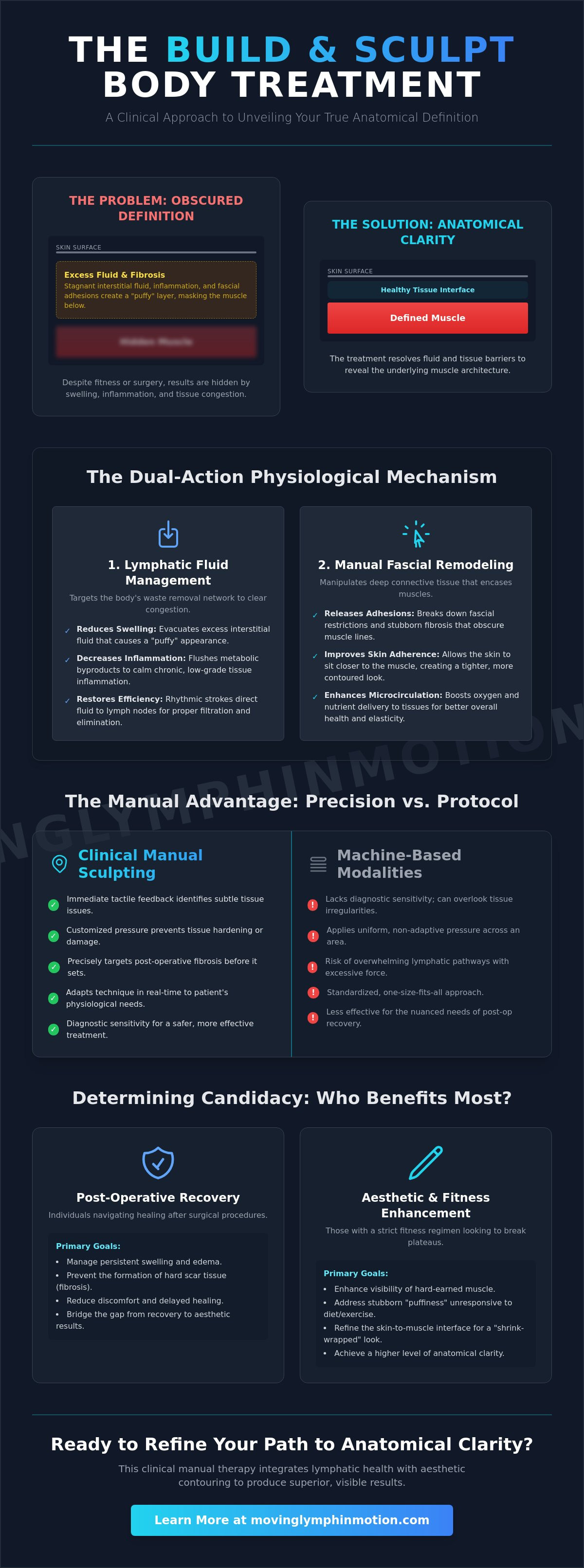
The methodology balances two distinct yet related goals. From a clinical perspective, the priority is the restoration of healthy fluid dynamics and the reduction of inflammation. This is especially critical for patients navigating the complexities of post-operative recovery, where residual swelling can lead to discomfort and delayed healing. From an aesthetic perspective, the objective is to refine the skin-to-muscle interface. By meticulously releasing fascial restrictions and clearing stagnant fluid, the practitioner can reveal the underlying muscle definition that was previously hidden by edema or fibrous tissue. The build and sculpt body treatment serves as a physiological bridge between post-operative recovery and the realization of aesthetic muscle definition.
The Physiological Mechanism: How Manual Sculpting Works
Understanding the effectiveness of the build and sculpt body treatment requires a detailed look at the subcutaneous environment. While exercise builds the muscle itself, the visibility of that muscle is often dictated by the health of the surrounding tissue. Excess interstitial fluid and fascial adhesions act as a physical barrier, masking anatomical definition and creating a soft, undefined appearance. Manual sculpting works by altering this internal environment through targeted mechanical pressure. This process stimulates the lymphatic system to evacuate stagnant fluid while simultaneously remodeling the connective tissue that houses our muscles.
The Anatomy of the Lymphatic System confirms its role as the body's primary waste removal network. When this system is sluggish, metabolic byproducts and water accumulate in the spaces between cells. Manual manipulation increases local microcirculation, which enhances tissue oxygenation and nutrient delivery. This physiological shift doesn't just improve appearance; it reduces the chronic low-grade inflammation that often leads to tissue "heaviness." By clearing this congestion, the skin can better adhere to the underlying muscle, resulting in a tighter, more contoured look.
Stimulating Lymphatic Drainage for Definition
Excess interstitial fluid is the primary culprit behind a "puffy" or bloated appearance, especially in the abdominal and limb areas. The build and sculpt body treatment utilizes specific, rhythmic strokes to direct this fluid toward functional lymph nodes for filtration and elimination. This isn't just about temporary water loss. It's about restoring the efficiency of the lymphatic system to support long-term tissue health. For those recovering from trauma or surgery, this mechanism is vital for lymphatic drainage for tissue healing, as it prevents the buildup of protein-rich fluid that can lead to permanent tissue hardening. If you are struggling with persistent swelling, a clinical tissue assessment can help determine the degree of congestion present.
Fascial Remodeling and Muscle Highlighting
Fascia is the dense, "shrink wrap" connective tissue that surrounds every muscle fiber and organ. When fascia becomes restricted or develops adhesions due to inactivity, injury, or surgery, it can distort the body's natural shape. Clinical sculpting techniques focus on smoothing out these fascial layers. By applying precise, directional pressure, a therapist can release these binds, allowing the skin to lay flat and the muscle architecture to become visible. This is particularly effective for highlighting the "V-taper" of the abdomen, the curvature of the glutes, or the separation in the quadriceps. Tissue becomes more pliable. Definition returns. The result is a physique that reflects the hard work put into training, no longer obscured by stagnant fluid or restrictive connective tissue.
The choice between manual intervention and device-led technology often depends on the specific physiological state of the patient. While machine-based contouring has gained popularity for its standardized approach, it lacks the adaptive precision inherent in a build and sculpt body treatment. Machines utilize pre-set parameters to deliver thermal energy, intense cold, or electromagnetic pulses. This creates a uniform application that doesn't account for the unique asymmetries or tissue densities of an individual's anatomy. In contrast, manual therapy relies on the clinician’s ability to detect and respond to localized congestion and fascial restrictions in real-time. Safety remains a paramount concern, particularly for individuals navigating post-operative recovery. Many machine-based treatments rely on extreme temperatures to achieve results. On compromised tissue, these modalities can increase the risk of seromas, thermal injury, or aggravated inflammation. Manual care offers a controlled, non-thermal alternative. By prioritizing the gentle mobilization of fluid and the resolution of early-stage fibrosis, manual therapy often reduces overall downtime. It facilitates the body's natural healing processes rather than introducing additional stressors that the lymphatic system must then manage.Manual Therapy vs. Device-Led Treatments
Standardized devices often struggle with localized fibrosis or uneven tissue textures. A machine cannot feel the difference between a healthy muscle layer and a pocket of stubborn edema. This is where the diagnostic eye and tactile sensitivity of a therapist become indispensable. During a build and sculpt body treatment, the practitioner adjusts the depth and direction of pressure based on the immediate response of the tissue. This level of customization ensures that delicate post-op areas receive the precise care needed to prevent permanent scarring and contour irregularities. While machines offer uniformity, they cannot provide the surgical-grade precision required for complex tissue remodeling.The Case for Combination Therapy
Determining Candidacy for Sculpting Treatments
The build and sculpt body treatment isn't a universal application; it's a precision tool for specific physiological needs. Identifying whether you're a candidate involves a detailed assessment of your tissue state and medical history. While many seek this therapy for its visual benefits, its clinical utility extends to those managing complex fluid disorders or recovering from invasive procedures. It's essential to understand that this is a non-surgical intervention. It refines what's already present by optimizing the subcutaneous environment and resolving fluid barriers. Safety comes first.
There are specific contraindications where deep manual sculpting must be avoided to prevent medical complications. These include acute infections, active blood clots (DVT), congestive heart failure, or untreated kidney dysfunction. If you're experiencing localized heat, redness, or fever, clinical therapy must be postponed until the acute phase has resolved. For those with chronic conditions like Lipedema or Lymphedema, this treatment serves as a vital management strategy. It helps reduce limb heaviness and prevents the progression of tissue fibrosis. It's not a cure, but it is an effective way to maintain mobility and tissue health.
Post-Operative Recovery Candidates
Patients who've undergone Lipo 360, BBL, or Tummy Tuck procedures are among the most frequent beneficiaries of this specialized care. These surgeries often leave behind residual swelling and pockets of stagnant fluid that can harden into permanent irregularities if left untreated. Utilizing post-op lymphatic drainage Austin protocols ensures that the body's waste removal channels remain open during the critical healing window. Typically, patients can begin gentle lymphatic work within days of surgery. More intensive sculpting techniques are introduced as the tissue stabilizes, usually around the six-week mark. This timeline varies based on your specific rate of healing and surgeon recommendations.
Aesthetic and Performance Goals
Athletes and fitness enthusiasts often utilize the build and sculpt body treatment to enhance muscular definition and accelerate recovery. By releasing fascial adhesions, the treatment improves range of motion and allows muscle bellies to expand without restriction. Many individuals schedule sessions before major events to achieve immediate visual clarity by reducing superficial edema. However, maintaining these clinical results requires a commitment to a healthy lifestyle. Manual therapy is a powerful catalyst, but it works best in tandem with proper hydration and consistent physical activity. If you're ready to optimize your tissue health, you can book a clinical consultation to evaluate your candidacy.
The Lymph in Motion Approach in Central Texas
Criselda White’s clinical philosophy at Lymph in Motion is built on a foundational rejection of "wellness fluff." Every build and sculpt body treatment session is governed by medical-grade standards, prioritizing the restoration of physiological function over temporary aesthetic fixes. This approach is rooted in the Vodder method of Manual Lymphatic Drainage, ensuring that every movement serves a specific anatomical purpose. By integrating these high certification standards, the practice provides a level of precision that general massage therapists cannot replicate. Your first consultation involves a thorough assessment of your tissue density, surgical history, and current fluid dynamics to create a customized therapeutic roadmap.
Residents in Austin, Cedar Park, and Georgetown often navigate a high-pressure environment when it comes to physical recovery and performance. Whether you're a post-operative patient or a dedicated athlete, the focus remains on evidence-based results. The goal isn't just to look better; it's to ensure your lymphatic system and fascial layers are functioning at their peak capacity. This level of individualized attention ensures that your specific anatomical needs are met with the quiet confidence of a specialist who understands the complexities of the human body.
Specialized Recovery in Austin and Cedar Park
Central Texas has become a hub for advanced cosmetic surgery, with a significant number of patients seeking procedures like Lipo 360 and high-definition abdominal etching. These complex surgeries require more than just standard aftercare. They demand a certified practitioner who understands the nuances of surgical trauma and the risk of fibrosis. A general massage therapist may inadvertently apply too much pressure or move fluid in the wrong direction, potentially compromising your results. In contrast, a specialist uses tactile feedback to navigate delicate post-op tissue safely. This expertise is what differentiates a clinical recovery path from a standard service, providing the safety and reassurance needed during a vulnerable healing phase.
Booking Your Clinical Sculpting Session
Preparation is a critical component of a successful build and sculpt body treatment. Proper hydration is essential, as the lymphatic system requires adequate water levels to move metabolic waste effectively. We recommend wearing comfortable, loose-fitting clothing to your appointment to avoid unnecessary tissue compression immediately following the manual work. Most clients find that an initial series of frequent sessions, typically once or twice per week, yields the most significant results in tissue remodeling and fluid reduction. Once the desired anatomical definition is achieved, maintenance sessions can be scheduled to preserve tissue health and prevent future congestion. Ready to transition from recovery to refined definition? Schedule your Build and Sculpt consultation with Criselda White to begin your clinical transformation.
Refining Your Clinical Path to Anatomical Clarity
Achieving a defined physique requires a sophisticated understanding of tissue dynamics and fluid management. By addressing the fascial restrictions and interstitial congestion that obscure muscle architecture, the build and sculpt body treatment provides a clinical solution for those navigating post-operative recovery or chronic inflammatory conditions. You've learned how manual precision identifies tissue irregularities that machines often overlook. This diagnostic sensitivity is essential for preventing fibrosis and ensuring that your body's waste removal pathways function efficiently.
Led by Criselda White, a specialized lymphatic therapist and professional MLD certification provider, Lymph in Motion prioritizes evidence-based results over superficial aesthetics. Whether you're managing a chronic condition or refining surgical outcomes, our focus remains on your physiological health and safety. You don't have to navigate the complexities of recovery alone. Book Your Clinical Build and Sculpt Session in Austin to begin a methodical approach to tissue health. Your journey toward anatomical clarity and improved mobility starts with an expert clinical assessment.
Frequently Asked Questions
Is the build and sculpt body treatment painful?
The treatment is designed to be therapeutic rather than painful. While the practitioner applies deeper pressure than a standard relaxation massage to address fascial adhesions, it remains within a comfortable clinical threshold. You may feel a sensation of stretching or mild pressure as the tissue is remodeled. Communication is key. Your therapist monitors your tissue's response in real-time to ensure the application is effective without causing trauma to the subcutaneous layers.
How many sessions are typically required to see visible results?
Visible changes in fluid reduction often appear after just one or two sessions. However, for long-term fascial remodeling and muscle definition, a series of 10 to 12 treatments is generally recommended. This allows the body sufficient time to evacuate stagnant fluid and for the connective tissue to stabilize in its new, contoured state. Frequency plays a role. Scheduling sessions once or twice weekly during the initial phase optimizes the physiological response.
Can I receive this treatment immediately after liposuction?
You can begin gentle manual lymphatic drainage within days of surgery, but more intensive sculpting must wait until the tissue has stabilized. Most post-operative patients transition to the build and sculpt body treatment around the six-week mark. This delay ensures that the initial inflammatory phase has passed and the surgical incisions are sufficiently healed. Starting deep manual manipulation too early can interfere with the delicate reattachment of skin to the underlying muscle.
How does build and sculpt differ from a standard lymphatic massage?
Standard lymphatic drainage focuses exclusively on the movement of interstitial fluid toward the lymph nodes. In contrast, the build and sculpt body treatment integrates these drainage techniques with deep fascial release and anatomical contouring. It's a more comprehensive modality that addresses both the fluid and the connective tissue structures. While a standard session reduces swelling, sculpting actively works to reveal muscle definition by smoothing out the tissue layers that sit above the muscle bellies.
Will this treatment help with cellulite or skin laxity?
This therapy improves the appearance of skin texture by resolving the fluid congestion and fascial pulling that contribute to cellulite. When excess fluid is removed and adhesions are released, the skin can lay more smoothly over the underlying structures. While it isn't a primary treatment for severe skin laxity, the reduction in chronic inflammation and the improvement in local circulation often result in a tighter, more resilient skin-to-muscle interface.
Is build and sculpt a weight loss procedure?
No, this is a contouring and health management therapy, not a weight loss solution. The procedure is designed to remove stagnant fluid and remodel tissue, which may result in a loss of inches, but it doesn't remove adipose tissue in the way that surgery or lipolysis does. It's most effective for individuals who are near their target weight but struggle with persistent swelling or a lack of anatomical definition despite regular exercise.
What should I do to maintain my results after the treatment?
Maintaining your results requires a commitment to hydration and consistent physical movement. Water is essential for the lymphatic system to continue flushing metabolic waste from the treatment area. Regular exercise supports the muscle pump mechanism, which is the primary way lymph moves through the body. Additionally, a balanced diet low in inflammatory triggers helps prevent the re-accumulation of interstitial fluid, ensuring that your newly revealed muscle definition remains visible over time.
Do I need a doctor’s referral for clinical sculpting in Austin?
You don't legally require a physician's referral to receive manual therapy from a Licensed Massage Therapist in Texas. However, if you're navigating post-operative recovery, we strongly recommend coordinating with your surgical team. A clinical therapist often works in tandem with your doctor to ensure that the treatment plan aligns with your specific surgical timeline and healing progress. This collaborative approach prioritizes your safety and ensures the best possible aesthetic and physiological outcome.


