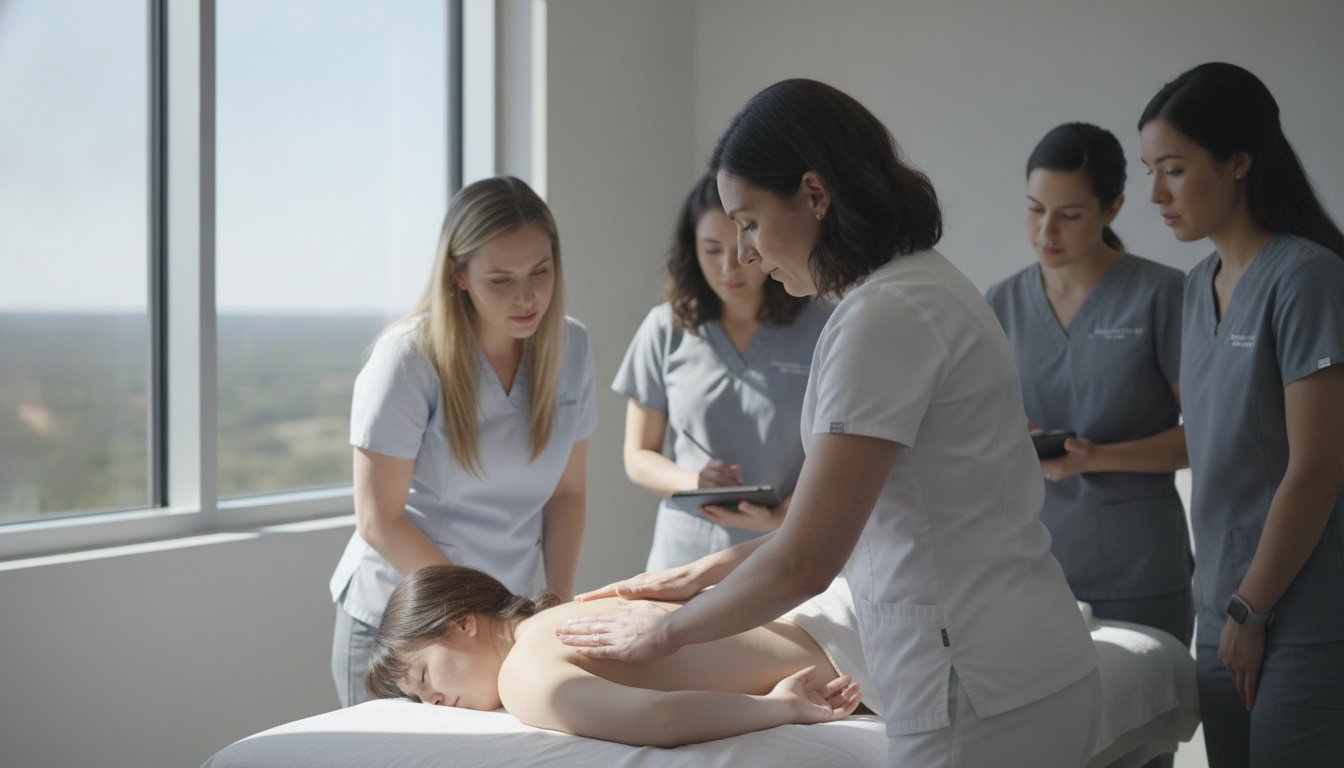

Aggressive manual manipulation is often the worst response to post-surgical hardness, as it can inadvertently trigger the inflammatory cascade that leads to permanent tissue irregularities. If you're noticing firm, rope-like textures or a restrictive "pulling" sensation in your recovery areas, you're likely experiencing the early stages of subcutaneous scarring. It's a common source of anxiety for many patients who fear that permanent waves or dents will compromise their aesthetic investment.
Securing the smooth, contoured results you planned for requires a shift from general wellness habits to precise clinical intervention. This guide explores the most effective strategies for fibrosis prevention after liposuction Austin specialists recommend, focusing on the critical two to six-week window where tissue remodeling is most active. You'll learn how structured lymphatic protocols and advanced combination therapies manage fluid dynamics to prevent excessive collagen deposition. We'll outline a methodical recovery path that prioritizes your physiological health, reduces physical discomfort, and ensures your skin remains as supple as it is sculpted.
Key Takeaways
- Distinguish between normal post-operative edema and the pathological overproduction of collagen that leads to permanent tissue roping and hardness.
- Understand why professional intervention during the sub-acute phase is the most critical step for fibrosis prevention after liposuction Austin patients can take to ensure a smooth aesthetic outcome.
- Learn how managing "dead space" and stagnant lymph fluid prevents the secondary inflammatory response that triggers subcutaneous scarring.
- Discover why clinical Manual Lymphatic Drainage (MLD) is medically superior to aggressive "body contouring" massages that can increase tissue trauma.
- Navigate the essential recovery milestones from the acute drainage phase to customized clinical management for complex procedures like Lipo 360 and BBL.
Understanding Fibrosis After Liposuction: Normal Healing vs. Complications
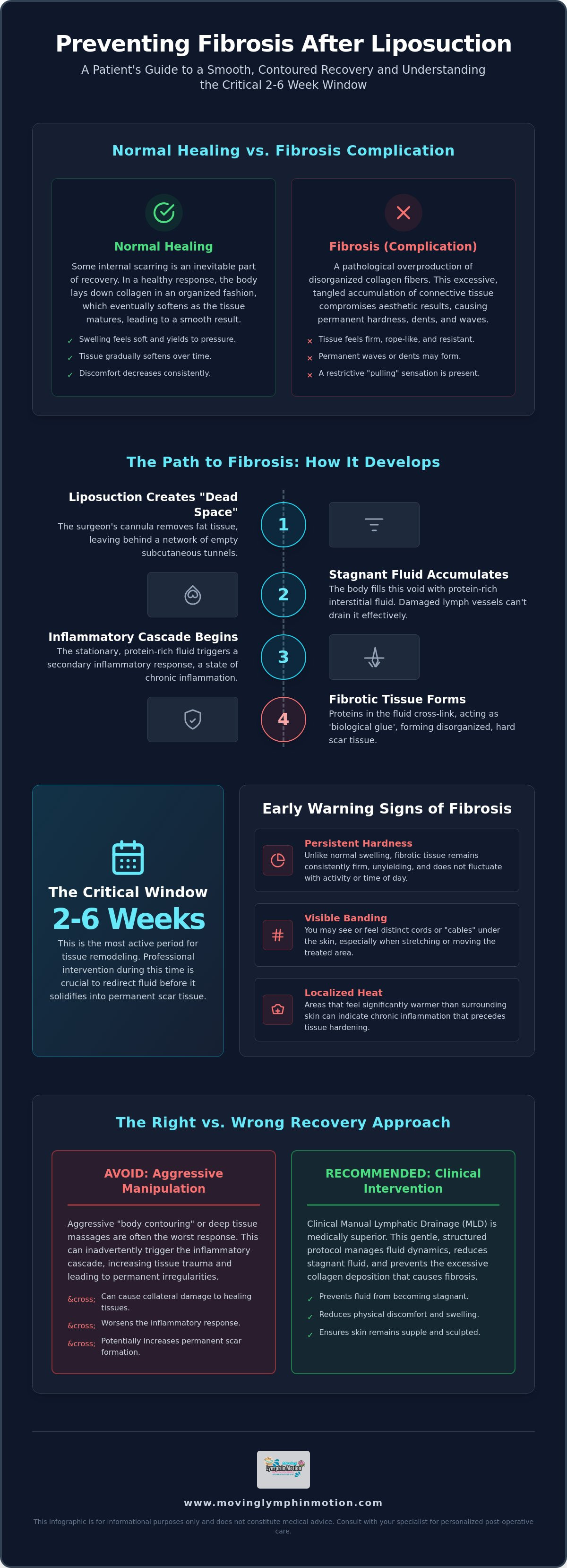
Post-surgical fibrosis represents a pathological overproduction of collagen fibers during the body's inflammatory response to tissue trauma. While some level of internal scarring is an inevitable part of any surgical intervention, clinical fibrosis is an excessive, disorganized accumulation of connective tissue that can compromise your final aesthetic results. In this Overview of Liposuction, it is clear that the mechanical action of the cannula creates a series of subcutaneous tunnels. These tunnels must heal, but when the process becomes dysregulated, the result is permanent tissue hardness.
The primary biological trigger for this complication is stagnant, protein-rich interstitial fluid. Following surgery, the "dead space" left behind by removed adipose tissue naturally fills with fluid. If this fluid remains stationary, it triggers a secondary inflammatory cascade. The proteins within the fluid begin to cross-link, effectively acting as a biological glue that binds different layers of tissue together. Distinguishing between normal post-operative edema and incipient fibrosis is vital; while edema feels soft and yields to gentle pressure, fibrosis feels firm, rope-like, and resistant.
For patients in Central Texas, the first two to six weeks post-procedure represent the critical window for intervention. This period is when the body is most active in remodeling tissue and laying down new collagen. Prioritizing fibrosis prevention after liposuction Austin protocols during this specific timeframe allows for the redirection of fluid before it has the opportunity to solidify into permanent scar tissue. Once these fibers have matured, they are significantly more difficult to resolve through non-invasive means.
Early Warning Signs of Fibrotic Tissue
- Persistent Hardness: Unlike normal swelling, which often fluctuates depending on your activity level or the time of day, fibrotic tissue remains consistently firm and unyielding.
- Visible Banding: You may notice cords or "cables" appearing under the skin, especially when stretching or moving the treated area.
- Localised Heat: Areas that feel significantly warmer than the surrounding skin may indicate a state of chronic inflammation that precedes tissue hardening.
The Role of Collagen in Post-Op Recovery
Collagen is the essential building block the body uses to close the surgical tunnels created during fat removal. In a healthy recovery, this collagen is laid down in an organized fashion, eventually softening as the tissue matures. However, several factors can lead to excessive scar formation. Your genetic predisposition and skin type, often categorized by the Fitzpatrick scale, play a significant role in how aggressively your body produces scar tissue. While you cannot change your genetics, understanding your risk profile allows for a more proactive, clinically-managed approach to recovery that emphasizes tissue suppleness over rigid scarring.
The Science of Why Fibrosis Occurs After Liposuction
The development of post-surgical hardness is a direct consequence of how the body responds to the "dead space" created during fat removal. When a surgeon utilizes a cannula to extract adipose tissue, they leave behind a network of empty channels. Under ideal physiological conditions, these spaces should collapse and heal smoothly. However, the body naturally attempts to fill any void with interstitial fluid, plasma, and white blood cells. If this fluid remains stagnant due to a compromised lymphatic system, it creates a high-pressure environment that initiates the formation of thick, restrictive scar tissue.
Surgical trauma inevitably disrupts the delicate initial lymph vessels located just beneath the skin. These microscopic structures are responsible for absorbing large protein molecules and excess fluid. When they're damaged, the local drainage capacity drops significantly while the fluid load increases. This imbalance is a primary factor in Liposuction Risks and Complications, as the trapped fluid becomes a breeding ground for chronic inflammation. In Central Texas, the "Austin Heat" factor further complicates this process. High ambient temperatures and humidity levels trigger vasodilation, which increases capillary permeability and forces even more fluid into the surgical site. Effective fibrosis prevention after liposuction Austin requires acknowledging these environmental stressors and counteracting them with clinical drainage protocols.
Surgical Technique and Tissue Trauma
The degree of tissue trauma often depends on the specific surgical methodology employed. Aggressive cannula movement can cause collateral damage to the surrounding connective tissue and blood vessels, leading to hematomas. These internal bruises release iron and other inflammatory markers into the tissue, which act as potent catalysts for fibrosis. While advanced techniques like VASER or laser-assisted liposuction use heat to liquefy fat, this thermal energy can also cause minor internal burns. These specialized procedures require a more nuanced approach to recovery to manage the unique inflammatory response they trigger. If you're concerned about how your specific procedure is healing, a clinical recovery assessment can help identify early signs of tissue distress.
Inflammation: The Silent Driver of Scarring
Inflammation is a necessary part of healing, but it becomes problematic when it transitions from an acute phase to a chronic state. When swelling persists, it signals the body to continue producing fibroblasts, the cells responsible for collagen synthesis. The inflammatory cascade is a complex physiological sequence where chemical signals recruit fibroblasts to deposit collagen as a repair mechanism for damaged tissue. Without professional manual drainage to clear the stagnant fluid, this collagen is deposited in a disorganized, "clumpy" fashion rather than a smooth, uniform layer. Clinical intervention interrupts this "swelling-fibrosis" cycle by mechanically assisting the transport of lymph fluid, effectively signaling the body that the repair phase is complete and reducing the urge to produce excess scar tissue.
Clinical MLD vs. Aggressive Massage: Choosing the Right Prevention
A dangerous misconception persists in post-operative recovery: the idea that newly formed tissue hardness must be "broken up" through forceful manipulation. This "no-pain-no-gain" philosophy, often found in non-clinical spa settings, is fundamentally at odds with the physiological reality of tissue healing. When considering fibrosis prevention after liposuction Austin patients should prioritize gentle, evidence-based protocols over aggressive body contouring methods that can cause permanent damage. During the Liposuction Recovery Process, the body is in a state of high reactivity; applying excessive pressure to healing tissues can rupture newly forming capillaries and exacerbate the very inflammatory response that leads to scarring.
Aggressive massage techniques, such as deep tissue or vigorous kneading, create secondary trauma. This trauma triggers a defensive biological response, signaling the body to produce even more collagen to "repair" the area. This cycle results in thicker, more stubborn fibrotic bands. To ensure a smooth aesthetic outcome, it's essential to work with a certified lymphatic therapist Austin professional who understands the delicate architecture of the subcutaneous environment. A clinical specialist focuses on fluid transport rather than mechanical tissue manipulation.
Why Clinical MLD is the Gold Standard
Clinical Manual Lymphatic Drainage (MLD) utilizes the Vodder technique, characterized by light, rhythmic skin-stretching movements. Because 80% of the lymphatic system is located directly within the skin, deep pressure actually bypasses the very vessels responsible for clearing edema. MLD works by stimulating the lymphangions, the tiny pumps within the lymph vessels, to reroute stagnant fluid toward functioning lymph nodes. This process reduces the internal pressure that causes pain and tissue tension. Beyond fluid clearance, the slow, rhythmic nature of MLD shifts the body into a parasympathetic state. This "rest and digest" mode is the only physiological state where cellular repair and tissue remodeling can occur efficiently.
The Dangers of "Body Contouring" Spas Post-Op
Patients should be wary of facilities that offer "post-op massage" without clinical credentials. Warning signs of an unqualified provider include the use of heavy oils, aggressive rubbing that causes redness or bruising, and the use of tools like wooden rollers or metal contouring devices. These "wood therapy" techniques are strictly contraindicated in the first six weeks of recovery because they can tear the delicate connective tissues that are trying to reattach. For a comprehensive look at how to safely manage your healing, refer to this clinical guide to surgical recovery. Choosing a clinical path protects your investment and prevents the need for painful, expensive revision treatments later.
The Austin Recovery Timeline: Prevention Milestones
A successful recovery is not a passive event but a structured physiological progression. Achieving optimal fibrosis prevention after liposuction Austin requires a disciplined adherence to a clinical timeline that respects the body's natural healing phases. Each stage presents unique challenges to the lymphatic system and requires specific interventions to ensure that the "dead space" created during surgery closes smoothly without excessive scar formation.
The Austin summer climate, characterized by high humidity and temperatures that frequently exceed 100 degrees, places an additional burden on your recovery. Heat naturally causes systemic vasodilation, which increases the volume of fluid leaking from capillaries into the interstitial space. During these months, maintaining superior hydration and strictly managing your environment is as critical as your clinical treatments. Stagnant fluid in the Texas heat can lead to increased discomfort and a higher risk of chronic inflammation.
- Days 1-5 (The Acute Phase): Your primary objective is managing initial drainage and ensuring your compression garment is fitted correctly. This is the period of peak inflammatory response where fluid accumulation is most rapid.
- Weeks 1-3 (The Sub-Acute Phase): This is the critical window for professional intervention. Beginning clinical MLD sessions in Cedar Park or Austin during this time ensures that fluid is redirected before it can begin the cross-linking process that leads to hardness.
- Weeks 4-8 (The Remodeling Phase): We monitor the tissue for any signs of "roping" or persistent firmness. Compression is often adjusted during this phase to provide targeted support to areas showing early fibrotic changes.
Compression Garment Protocols
The "faja" or compression garment is a clinical tool, not just a supportive layer. Its primary role is to provide the external pressure necessary to prevent the formation of seromas, or fluid pockets. However, an ill-fitting garment can actually cause localized fibrosis by creating "creasing" in the skin. To prevent these indentations from becoming permanent, we utilize a specific foam placement protocol. Ensure your foams are flat, overlapping slightly, and positioned to provide a uniform surface under the garment, which prevents the fabric from "biting" into the healing tissue.
Movement and Activity Levels
While rest is essential, complete stasis can lead to fluid stagnation. We recommend gentle movement, such as walking along the shaded portions of the Brushy Creek Trail, to naturally stimulate the muscle pump and assist lymphatic flow. You should avoid strenuous gym workouts or heavy lifting for at least six weeks, as these activities can increase systemic inflammation and trigger a secondary swelling event. As you progress, we will introduce specific stretching techniques to prevent the sensation of "tightness" in the abdomen or flanks. For a detailed guide on navigating your local recovery options, you can refer to our post-op recovery massage Cedar Park checklist.
To ensure your recovery stays on track and to address any emerging areas of hardness, you can schedule a clinical recovery consultation to receive a personalized treatment plan based on your surgical milestones.
Professional Fibrosis Management at Lymph in Motion
Criselda White leads Lymph in Motion with a rigorous, clinical methodology specifically designed for post-operative cosmetic surgery recovery. Her approach moves beyond basic wellness, focusing on the complex physiological requirements of tissue following invasive trauma. Effective fibrosis prevention after liposuction Austin protocols are not standardized; they must be adapted to the specific mechanics of your procedure. Whether you've undergone a Lipo 360, a Brazilian Butt Lift (BBL), or a Tummy Tuck, the biological response of your lymphatic system varies based on the surface area treated and the depth of the surgical tunnels created.
For Lipo 360 patients, the primary challenge is managing the extensive circumferential "dead space" that can lead to systemic fluid stagnation. Conversely, BBL recovery requires a careful balance of compression and drainage that protects the newly transferred fat cells while preventing hardness in the donor sites. If the early window for prevention was missed and you're already experiencing established tissue roping, we integrate advanced clinical techniques to soften mature collagen fibers. This specialized expertise is rooted in high MLD certification standards, ensuring that every movement is anatomically purposeful and safe for your healing stage.
What to Expect During Your Initial Consultation
Your journey begins with a comprehensive anatomical assessment. We evaluate the state of your subcutaneous tissue, identify surgical entry points, and check for any early signs of seroma formation or abnormal thickening. Based on your surgeon’s specific post-op protocol and our clinical findings, we develop a personalized schedule for your Manual Lymphatic Drainage sessions. You'll also receive targeted education on at-home self-care, including precise garment adjustments and foam placement techniques to maintain tissue flatness between appointments.
Booking Your Recovery in Central Texas
Lymph in Motion provides specialized clinical care for patients throughout Austin, Cedar Park, Round Rock, and Georgetown. We understand that the recovery period can be physically demanding and emotionally taxing, which is why we prioritize a seamless, professional experience from your first session to your final result. You can easily manage your recovery path through the Vagaro booking portal, which allows you to schedule sessions that align with your surgical milestones. Secure your aesthetic investment and ensure a smooth, pain-free result by partnering with a clinical expert dedicated to your physiological health.
Securing Your Aesthetic Results Through Clinical Care
Achieving the smooth, contoured silhouette you envision requires more than a successful surgical procedure; it demands a dedicated commitment to the physiological health of your tissue. We've explored how clinical manual lymphatic drainage prevents the stagnant fluid that leads to subcutaneous scarring and why aggressive manipulation must be avoided during the critical healing window. Prioritizing fibrosis prevention after liposuction Austin ensures your body heals with organized collagen deposition rather than restrictive roping or permanent irregularities.
As specialists in Post-Operative Cosmetic Surgery Recovery and providers of professional MLD certification courses, we offer the meticulous expertise needed to navigate this complex phase. Our team serves the Greater Austin area, including Cedar Park and Round Rock, with evidence-based protocols tailored to your unique surgical journey and anatomical needs. Book Your Clinical Post-Op Recovery Session in Austin to safeguard your investment and experience a comfortable, expertly guided healing process. You've taken the first step toward your aesthetic goals; now, let clinical expertise carry you through the finish line with confidence and safety.
Frequently Asked Questions
Is it too late to prevent fibrosis if I am already 4 weeks post-op?
It is not too late, but your recovery strategy must transition from pure prevention to active tissue management. While the initial inflammatory window is closing, the remodeling phase of scar tissue continues for several months. Clinical intervention at four weeks can still significantly soften early fibrotic bands and prevent them from becoming permanent. We utilize specialized manual techniques to encourage the reorganization of collagen fibers before they reach full maturity.
How many lymphatic drainage sessions do I need after liposuction in Austin?
Most patients require a series of 10 to 15 sessions to achieve optimal results, though this varies based on the surgical volume and individual inflammatory response. We generally recommend beginning with two to three sessions per week during the first twenty-one days of recovery. This frequency ensures that stagnant fluid is consistently cleared, which is the most effective method for fibrosis prevention after liposuction Austin specialists utilize to maintain tissue suppleness.
Can I use a massage gun to break up fibrosis at home?
You should avoid using massage guns or high-frequency percussive tools during the first twelve weeks of your recovery. These devices exert excessive mechanical force that can rupture fragile new capillaries and traumatize healing connective tissue. This secondary injury often triggers an aggressive inflammatory response, which inadvertently leads to increased collagen production and thicker fibrotic tissue. Professional manual drainage is the only safe method for managing subcutaneous irregularities.
Does fibrosis after liposuction ever go away on its own?
Mature fibrotic tissue rarely resolves without clinical intervention once the collagen fibers have fully cross-linked. While minor swelling will eventually subside as the lymphatic system repairs itself, the organized roping or hardness associated with fibrosis tends to become permanent if left untreated. Early mechanical assistance through manual drainage is necessary to signal the body to stop the excessive production of scar tissue and begin the softening process.
Why does my skin feel hard and tight in the evenings?
Increased hardness in the evening is typically the result of dependent edema, where gravity and daily physical activity cause fluid to accumulate in the surgical sites. As the day progresses, the compromised lymphatic vessels struggle to keep up with the fluid load, leading to increased interstitial pressure. This pressure stretches the skin and underlying tissues, creating a sensation of restrictive tightness and making early fibrotic areas feel more prominent.
What is the difference between a seroma and fibrosis?
A seroma is a localized collection of sterile fluid that feels like a soft, fluctuating pocket under the skin. In contrast, fibrosis is the development of firm, disorganized scar tissue that feels rope-like or woody to the touch. While a seroma is a fluid management issue, fibrosis is a structural tissue complication. However, an untreated seroma can often trigger the inflammatory response that eventually leads to localized fibrotic thickening.
Should I wear my compression garment 24/7 to prevent lumps?
Continuous compression is typically required for the first fourteen to twenty-eight days to minimize the dead space where fluid can collect. Consistent pressure helps the skin adhere to the underlying muscle and prevents the fluid stagnation that leads to lumps. However, it's vital that the garment fits correctly without folding or pinching, as improper compression can actually create the very indentations and localized hardness you are trying to avoid.
How do I find a certified post-op recovery specialist in Cedar Park?
Finding a qualified provider involves verifying their clinical credentials and specific experience in post-operative cosmetic surgery recovery. You should look for practitioners who hold advanced certifications in the Vodder technique of Manual Lymphatic Drainage. In the Cedar Park area, our clinic provides these specialized services, ensuring that your recovery is managed by professionals who understand the delicate physiological requirements of fibrosis prevention after liposuction Austin patients require for smooth results.