Applying heavy pressure to a post-surgical site isn't just uncomfortable; it can permanently damage the delicate initial lymph vessels responsible for your recovery. Many patients assume any massage practitioner can handle post-op care, yet the specialized skills of clinical manual lymph drainage therapists are what truly prevent long-term fibrosis and secondary lymphedema. You've likely felt the frustration of conflicting advice regarding your swelling, wondering if a therapist's "lymphatic massage" is actually the medical-grade intervention your body requires.
It's understandable to feel cautious when your physical recovery is at stake. This guide provides the clinical framework you need to identify qualified specialists who understand the complex fluid dynamics of the human body. We'll break down the essential credentials, such as the 135-hour Complete Decongestive Therapy (CDT) training requirement and the significance of the LANA certification exam, to ensure you find a trusted clinical partner in Central Texas. You'll learn how to distinguish evidence-based physiological support from standard spa services to achieve a lasting reduction in inflammation and edema.
Key Takeaways
- Learn the physiological distinction between medical-grade MLD and recreational massage to prioritize anatomical safety over general wellness trends.
- Discover how to verify the credentials of manual lymph drainage therapists by identifying the CLT and LANA designations required for clinical competency.
- Understand why surgical recovery, such as following an abdominoplasty or Lipo 360, necessitates specific protocols to prevent the development of permanent tissue fibrosis.
- Identify the contraindications of aggressive, deep-tissue techniques that can compromise delicate lymphatic vessels during the critical early phases of healing.
- Gain a framework for selecting a specialized clinical partner in the Austin, Cedar Park, and Round Rock areas based on their experience with post-operative fluid dynamics.
What is a Manual Lymph Drainage Therapist?
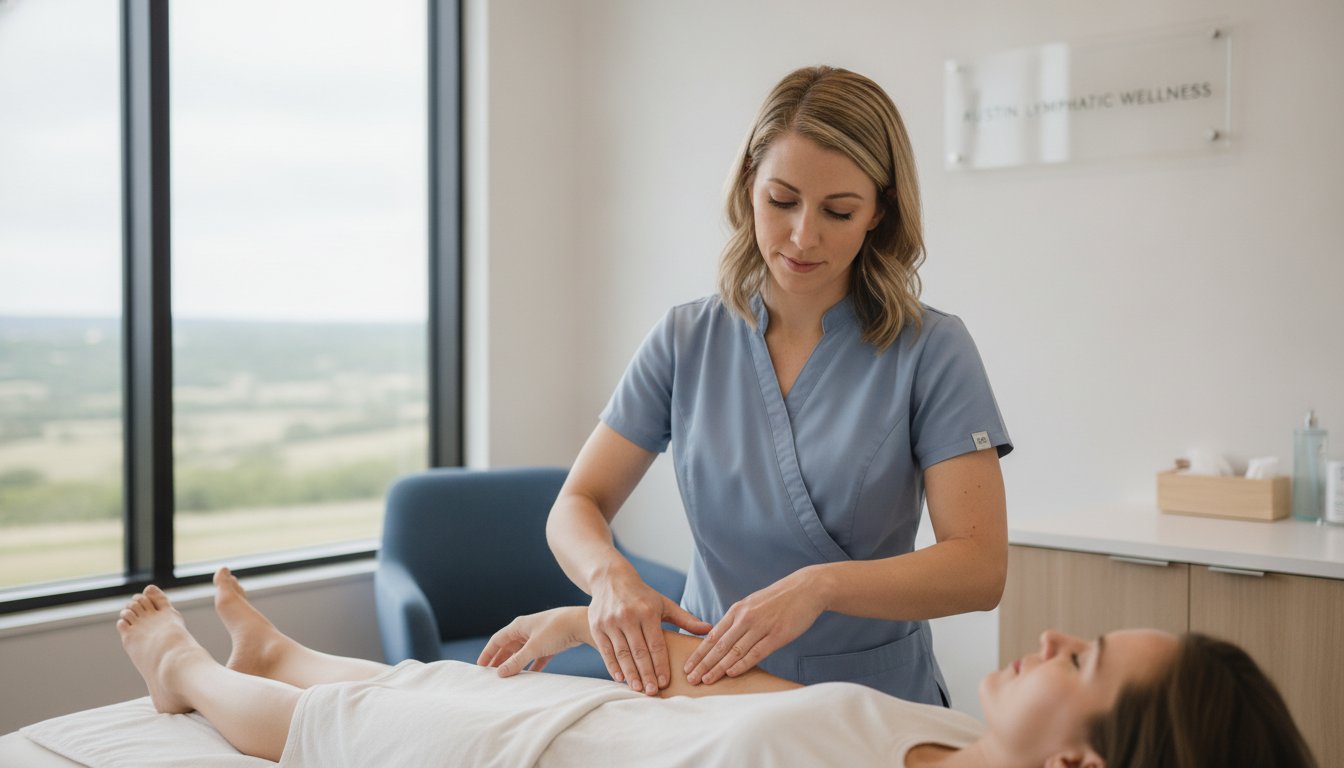
Clinical manual lymph drainage therapists are specialized practitioners who focus on the intricate management of the body's interstitial fluid environment. Unlike general massage therapy, which often targets muscular tension or deep tissue release, this discipline is rooted in the physiological manipulation of the lymphatic system. A therapist in this field uses a specific set of gentle, rhythmic skin-stretching techniques to encourage the movement of lymph fluid toward functional nodes. This methodology, formally known as Manual Lymphatic Drainage (MLD), is a non-invasive yet highly technical intervention designed to support a compromised or overloaded system.
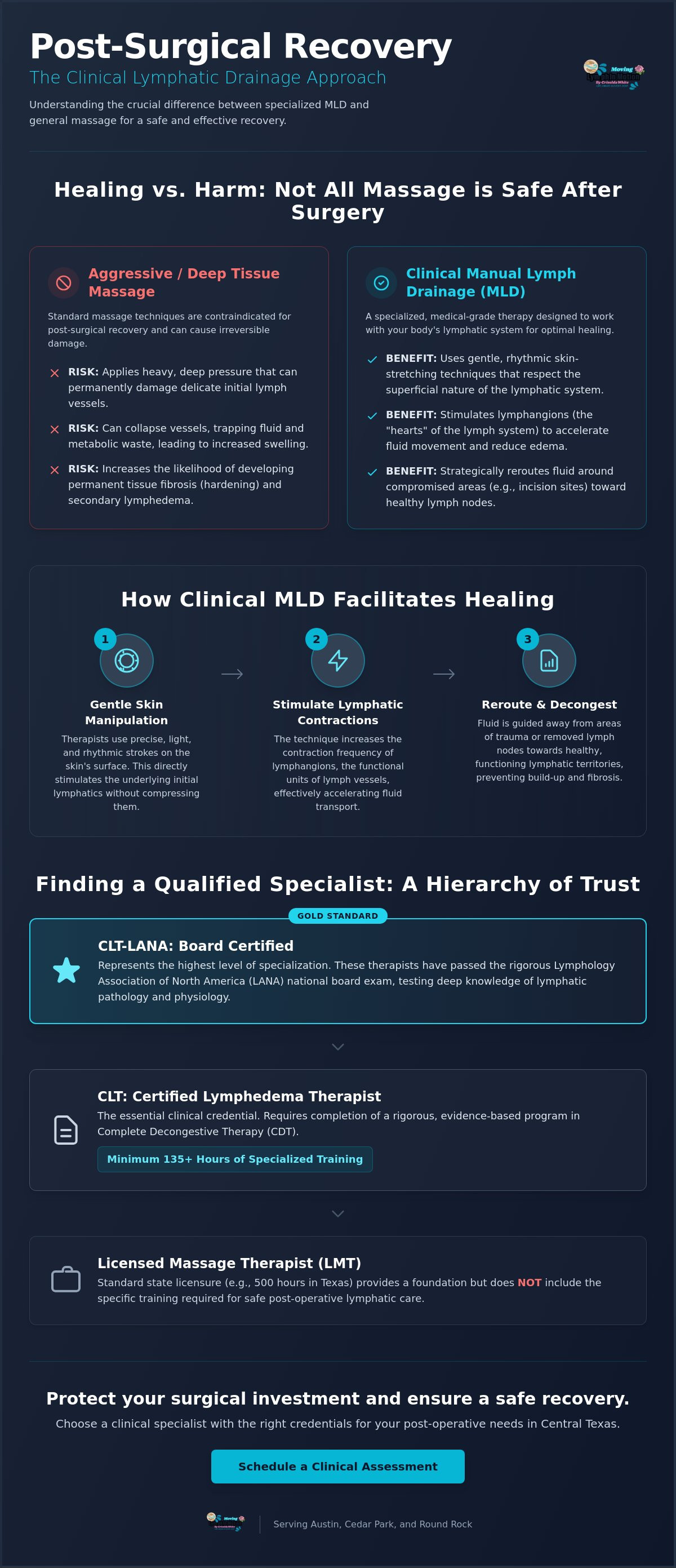
The distinction between recreational massage and clinical MLD is foundational to patient safety. While traditional massage might utilize heavy pressure to reach the skeletal muscle, manual lymph drainage therapists understand that the lymphatic system is primarily superficial. Applying excessive force can actually collapse the initial lymph vessels, hindering the very drainage process the patient seeks. In a clinical setting, the therapist acts as a facilitator for fluid dynamics, helping to clear metabolic waste and reduce the protein-rich fluid accumulation that leads to chronic swelling and tissue changes.
The Mechanism of Manual Lymphatic Drainage
The efficacy of MLD lies in its ability to stimulate the lymphangion, which is the functional unit of a lymph vessel. These tiny segments contain one-way valves and smooth muscle that contract to move fluid. By using precise, directional strokes, a therapist increases the contraction frequency of these units, accelerating the transport of lymph. Because the lymphatic system lacks a central pump like the heart, it relies on these external stimuli and respiratory pressure to function. In cases of post-operative edema or oncology-related lymphedema, the therapist strategically reroutes fluid toward healthy, functioning lymphatic territories to bypass damaged or removed nodes.
Clinical vs. Aesthetic Applications
The applications for this therapy span from medical necessity to advanced physical contouring. Clinically, it's the gold standard for managing lymphedema, lipedema, and the acute swelling that follows oncology treatments or major surgeries. These conditions require a meticulous, evidence-based approach to prevent infection and skin breakdown.
However, the same physiological principles apply to aesthetic recovery and facial health. For individuals seeking refined facial structures or recovery from dental procedures, specialized techniques like buccal massage Austin offer a unique intersection of clinical health and physical sculpting. Whether the goal is reducing post-surgical fibrosis or enhancing the skin's metabolic health, the focus remains on the precise movement of fluid within the anatomical boundaries of the lymphatic network.
Evaluating Credentials: What to Look for in a Specialist
Vetting credentials is the most critical step in ensuring your recovery is managed by a professional who understands the complexities of the lymphatic system. While a standard massage license in Texas requires 500 hours of education, clinical lymphatic work demands specific, post-graduate expertise. The industry standard for manual lymph drainage therapists is the Certified Lymphedema Therapist (CLT) designation. This credential requires a minimum of 135 hours of specialized training in Complete Decongestive Therapy (CDT). This rigorous education ensures the practitioner can identify contraindications and safely manage fluid dynamics without causing tissue trauma.
The National Cancer Institute recognizes the clinical use of MLD for post-surgical recovery as a vital component of patient care, particularly for those at risk of lymphedema. Without specialized training, a provider may lack the anatomical knowledge to distinguish between normal post-operative swelling and more serious physiological complications. When researching specialists, ask if they completed their training through a program recognized by the Lymphology Association of North America (LANA). This distinction separates clinical professionals from those who have only attended brief, introductory workshops.
The CLT-LANA Designation
The CLT-LANA credential represents a higher tier of clinical commitment. To be eligible for the LANA board exam, a therapist must first complete their 135-hour CDT course and pay a $430 application fee to sit for the national certification. This exam tests deep knowledge of lymphatic anatomy, physiology, and pathology. A LANA-certified therapist is trained to recognize subtle changes in tissue states and adjust their technique based on physiological feedback. If you are navigating a complex recovery, you can schedule a clinical assessment to discuss how these standards apply to your specific needs.
Professional MLD Certification for Practitioners
Top-tier specialists often transition from practitioners to educators, helping to maintain high standards across the industry. Seeking a provider who is involved in providing manual lymphatic drainage certification ensures you are working with someone at the forefront of the field. These educators stay current with the latest research in tissue healing and fluid dynamics, often participating in professional lymphatic research. This dedication to continuing education means your treatment plan will be based on the most recent evidence-based protocols rather than anecdotal methods.
Matching Therapist Specialization to Your Recovery
Selecting the right clinical partner requires an understanding that lymphatic therapy isn't a universal application. While the foundational strokes remain consistent, the physiological objectives vary significantly between an acute surgical recovery and the long-term management of chronic lymphatic insufficiency. Specialized manual lymph drainage therapists possess the anatomical insight to adapt their protocols based on the specific trauma your body has endured. For instance, the needs of a patient post-abdominoplasty are vastly different from those of a survivor navigating breast cancer-related swelling, where node chains may have been surgically disrupted or removed.
In the context of cosmetic surgery, such as Lipo 360 or a Brazilian Butt Lift (BBL), the primary goal is the prevention of post-operative fibrosis. This condition occurs when stagnant, protein-rich fluid remains in the tissue spaces too long, eventually hardening into restrictive scar tissue. Clinical intervention ensures that metabolic waste and surgical byproducts are efficiently moved toward healthy drainage sites. For those seeking to maximize their aesthetic investment, integrating a build and sculpt body treatment can further refine the physical results by optimizing tissue health and fluid balance once the acute healing phase concludes.
Post-Operative Cosmetic Recovery Specialists
The first two to six weeks following a major cosmetic procedure are critical for managing acute inflammation. During this window, the body is working to clear anesthesia and cellular debris from the surgical site. A specialist in post-op lymphatic drainage Austin utilizes specific sequences designed to reduce the "tightness" often felt after liposuction. By accelerating the clearance of these fluids, the therapist helps the skin adhere more smoothly to the underlying muscle, significantly reducing the risk of permanent lumps or irregularities in the tissue.
Medical Lymphedema and Lipedema Management
For individuals dealing with primary or secondary lymphedema, the approach shifts toward long-term maintenance and the preservation of limb function. This often involves Complete Decongestive Therapy (CDT), a multi-faceted protocol that includes MLD, compression therapy, and skin care. When seeking a lymphedema therapy Austin TX specialist, it's vital to verify their standing with the Lymphology Association of North America (LANA). This ensures your therapist is equipped to handle the complex pathologies of chronic swelling, providing a level of care that goes far beyond simple fluid movement to protect your systemic health.
The Risks of Non-Clinical "Lymphatic Massage" After Surgery
The misconception that "no pain, no gain" applies to surgical recovery is a dangerous fallacy in the context of lymphatic health. Aggressive, deep-tissue techniques are strictly contraindicated during the initial phases of healing. Following procedures like liposuction or abdominoplasty, the tissue is in a state of high inflammatory stress. Manual lymph drainage therapists are trained to recognize that the initial lymph vessels, which sit just beneath the epidermis, are extremely fragile. Applying excessive pressure can crush these delicate structures, effectively shutting down the body's natural drainage system and exacerbating the very swelling you aim to resolve.
Non-clinical practitioners often mistake post-operative edema for muscular tension, leading to the use of "wood therapy" or heavy-handed kneading. These methods frequently cause bruising and localized trauma, which further complicates the recovery timeline. Clinical MLD should never be painful or leave marks on the skin. Identifying red flags in a therapist’s approach is essential for your safety. If a provider suggests "pushing" fluid out of incisions or uses tools that cause discomfort, they are operating outside the bounds of physiological safety. To ensure your recovery follows a safe, evidence-based path, you can book a professional post-operative evaluation with a clinical specialist.
Understanding Post-Op Fibrosis
Fibrosis is the development of abnormal scar tissue that occurs when protein-rich fluid stagnates in the interstitial space. This fluid triggers an inflammatory response, signaling fibroblasts to produce excessive collagen that eventually hardens into the "lumps" or "ridges" often seen after liposuction. A clinical specialist identifies these changes in tissue density early. Through gentle manual intervention, the therapist encourages the evacuation of this fluid before it has the opportunity to organize into permanent, restrictive scarring. This process of tissue remodeling requires a nuanced touch that standard massage cannot provide.
When to Avoid Lymphatic Drainage
A thorough medical intake is the hallmark of a professional clinical environment. There are specific medical conditions where MLD is contraindicated, and a qualified therapist must screen for these before beginning treatment. These include:
- Deep Vein Thrombosis (DVT): Massaging a limb with a blood clot can dislodge it, leading to a pulmonary embolism.
- Active Infections: Moving lymph fluid can spread pathogens through the system if an infection is present at the surgical site.
- Congestive Heart Failure: Rapidly moving fluid back to the heart can overwhelm a weakened cardiac system.
Finding Clinical MLD Therapists in Central Texas
Locating a clinical specialist in the Central Texas region requires a discerning approach that moves beyond general wellness directories. In rapidly growing hubs like Austin, Cedar Park, and Round Rock, the availability of post-operative care has expanded, yet the number of manual lymph drainage therapists with true clinical certification remains limited. When evaluating local providers, it's essential to prioritize those who demonstrate a deep understanding of surgical recovery rather than those who offer lymphatic work as a secondary spa service. A specialist's experience with specific procedures, such as Lipo 360 or breast cancer-related surgeries, ensures they can adapt their hand pressure to the unique state of your healing tissue.
The choice between a mobile service and a clinical office setting often depends on the patient's immediate mobility following surgery. For those in the acute phase of recovery, a clinical office provides a controlled, sterile environment equipped with the necessary tools for comprehensive fluid management. Proximity is a physiological necessity, not just a convenience. In the first 14 days post-operation, the frequency of sessions is critical for preventing the stagnation of interstitial fluid. Choosing a therapist within a manageable distance allows for the consistent care required to achieve optimal results.
Serving the Austin Metropolitan Area
Residents in outlying areas such as Leander, Liberty Hill, and Georgetown often face challenges finding medical-grade care close to home. However, accessing specialized manual lymph drainage therapists in these communities is vital for maintaining the rigorous schedule required during early recovery. High-frequency sessions help clear anesthesia and surgical byproducts before they contribute to tissue hardness. For patients recovering from facial procedures, utilizing a lymphatic drainage after rhinoplasty Austin checklist can help track progress and ensure the delicate nasal tissues are healing without excessive edema.
Your Clinical Partner: Best Lymphatic Specialist
At Best Lymphatic Specialist, Criselda White provides a sophisticated blend of clinical authority and compassionate care. Her approach to medical-grade manual lymphatic drainage is rooted in evidence-based protocols that prioritize patient safety and physiological results. By integrating specialized recovery techniques with aesthetic sculpting, she acts as a dedicated guide through the complexities of the healing journey. This meticulous attention to detail ensures that every session is tailored to the individual's current recovery phase. To begin your path toward a safe and structured recovery, you can book your clinical recovery session and establish a partnership with a trusted Central Texas specialist.
Securing Your Path to Physiological Recovery
Navigating the complexities of surgical recovery requires more than just patience; it demands a clinical partnership with a specialist who understands the nuances of fluid dynamics. By prioritizing CLT-LANA certified manual lymph drainage therapists, you ensure that your healing process is guided by anatomical precision rather than recreational massage techniques. This distinction is vital for preventing post-operative fibrosis and managing the delicate transition of your lymphatic system back to homeostasis. Choosing a practitioner who serves as a professional MLD educator and course creator provides an additional layer of safety and expertise during this critical window.
Protecting your surgical investment means rejecting aggressive methods that can lead to permanent tissue damage. As a specialist dedicated to post-op fibrosis prevention, Criselda White offers the meticulous, evidence-based care necessary for long-term health and aesthetic success. Don't leave your recovery to chance. You can take the next step in your healing journey today. Schedule Your Clinical Recovery Assessment in Austin to establish a professional plan tailored to your body's specific needs. Your recovery is a structured journey, and with the right clinical guide, you can move forward with total confidence.
Frequently Asked Questions
How do I know if a manual lymph drainage therapist is properly certified?
You can verify a practitioner's qualifications by looking for the Certified Lymphedema Therapist (CLT) or CLT-LANA designation. Professional manual lymph drainage therapists must complete a minimum of 135 hours of specialized training in Complete Decongestive Therapy (CDT) from an accredited institution. This rigorous education ensures they understand the complex anatomy and pathology required to manage fluid dynamics safely and effectively.
Is manual lymphatic drainage different from a regular lymphatic massage?
Manual Lymphatic Drainage (MLD) is a clinical, evidence-based methodology that uses specific rhythmic skin-stretching to stimulate the lymphangions. The term "lymphatic massage" is often used colloquially in spa settings to describe general wellness services that lack clinical precision. MLD focuses on directional fluid transport and the superficial lymphatic network to achieve measurable reductions in medical or post-surgical edema.
Can I perform manual lymphatic drainage on myself after surgery?
Self-drainage is not recommended during the acute post-operative phase because it lacks the directional precision and specialized assessment needed for safety. Without professional training, you risk applying incorrect pressure that can collapse fragile lymph vessels or move fluid toward congested territories. A specialist must evaluate your specific tissue states to prevent the development of permanent fibrosis or scar tissue.
How many sessions with a lymphatic therapist will I need after liposuction?
While recovery timelines are individualized, most post-liposuction patients require 10 to 20 sessions to achieve optimal physiological results. In the first 14 days, high-frequency visits are typically necessary to clear anesthesia and surgical byproducts. As acute inflammation subsides and the skin begins to adhere to the underlying muscle, the frequency of sessions is adjusted based on your body's response.
What should I expect during my first visit to a clinical MLD therapist?
Your initial visit begins with a comprehensive medical intake and a physical assessment of your tissue density and incision sites. The therapist identifies areas of edema or early-stage fibrosis to establish a structured treatment plan. The actual therapy involves very light, rhythmic hand movements designed to encourage fluid transport; it is a gentle process that should never cause pain or bruising.
Will my insurance cover manual lymphatic drainage therapy in Texas?
Insurance coverage for MLD in Texas depends on the underlying medical necessity and your specific policy. Coverage is more common when the therapy is prescribed for medical lymphedema or cancer-related swelling. Most manual lymph drainage therapists providing cosmetic post-operative care operate on a private-pay basis, though some can provide a superbill for you to submit to your insurance carrier for potential reimbursement.
How soon after cosmetic surgery can I start seeing an MLD therapist?
Most patients can begin clinical MLD within 24 to 72 hours after their procedure, provided they have received clearance from their surgeon. Early intervention is critical for clearing metabolic waste and preventing the hardening of stagnant, protein-rich fluid. Starting therapy within the first week significantly reduces the risk of long-term tissue irregularities and accelerates the overall recovery timeline.
What is the difference between a CLT and a general massage therapist?
The primary difference is the depth of specialized clinical education regarding the lymphatic system. A general massage therapist in Texas completes 500 hours of training focused on musculoskeletal relaxation and tension relief. A CLT completes an additional 135 hours of intensive study focused on lymphatic anatomy and pathology, allowing them to manage complex fluid disorders and post-surgical recovery safely.