
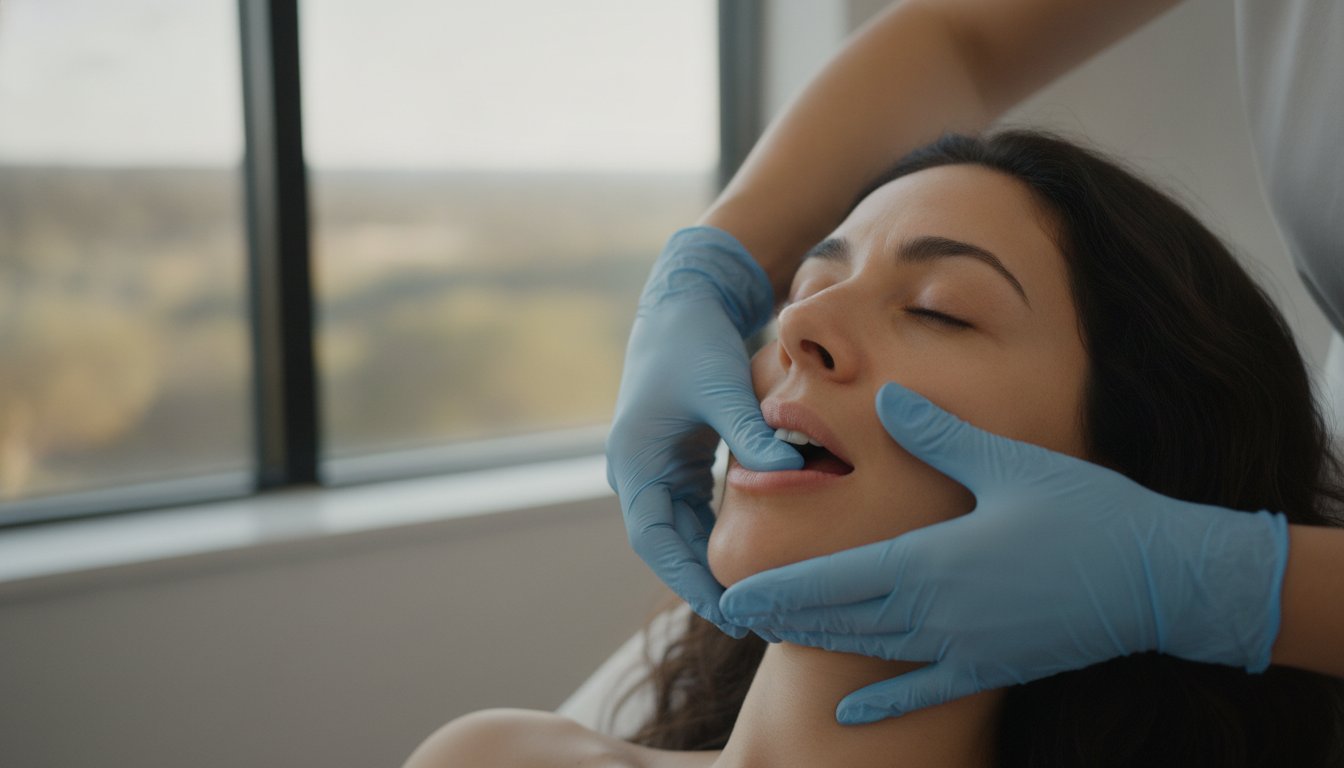
The most profound structural changes in the face often occur where traditional topical treatments cannot reach. While external massage provides temporary relaxation, it frequently fails to address the deep-seated hypertonicity of the masseter and buccinator muscles. If you're exploring buccal massage Austin, you're likely searching for a methodology that bridges the gap between superficial aesthetics and clinical rehabilitation. We understand the frustration of managing chronic jaw tension and the visible loss of anatomical definition without wanting to resort to invasive surgical interventions.
This clinical guide details how intraoral facial sculpting utilizes precise manual manipulation to remodel tissue from the inside out. You'll discover the physiological science behind the practice, including how mechanical stimulation may trigger fibroblast activity to support collagen synthesis and skin firmness. We'll examine the specific benefits for TMJ dysfunction, the mechanics of improved lymphatic drainage, and the process of restoring a defined jawline through targeted anatomical contouring. By the end of this article, you'll understand why this specialized therapy is a vital component of modern facial rejuvenation and functional recovery.
Key Takeaways
- Learn how intraoral manual therapy accesses deep-seated musculature to provide structural lifting that external methods cannot achieve.
- Discover the clinical benefits of buccal massage Austin for reducing masseter hypertonicity and managing chronic TMJ-related pain.
- Understand the physiological process where manual manipulation stimulates fibroblast activity to support natural collagen synthesis and tissue firmness.
- Gain insight into the anatomical contouring effects that sharpen the jawline and improve lymphatic drainage for a more sculpted appearance.
- Explore the essential standards of a clinical session, including comprehensive facial symmetry assessments and rigorous medical-grade sanitation protocols.
What is Buccal Massage? Defining the Clinical Intraoral Technique
Buccal massage represents a significant departure from traditional topical skincare, moving into the territory of deep-tissue manual manipulation. While many consider it a cosmetic trend, buccal massage Austin practitioners treat it as a serious manual therapy designed to restore physiological balance. It involves a dual-sided approach where the therapist works both externally and internally, reaching the musculature from inside the oral cavity. This intraoral access is the missing link in conventional facial treatments; it allows for the manipulation of deep tissue layers that are otherwise unreachable through the skin's surface. By integrating this specific technique into the broader field of massage therapy, specialists can resolve chronic tension that contributes to both physical discomfort and premature aging.
The origins of this methodology are rooted in clinical rehabilitation rather than aesthetic spas. Initially developed to assist patients recovering from Bell’s palsy, strokes, or facial trauma, the technique was used to prevent muscle atrophy and restore neuromuscular function. Over time, clinicians observed that the same movements used for rehabilitation also produced profound structural lifting and contouring effects. This evolution has transformed a rehabilitative tool into a sophisticated method for anatomical sculpting, prioritizing the health of the facial muscles to achieve a rejuvenated appearance.
The Anatomy of the Buccal Space
The buccal region, or the area of the cheek, is a complex anatomical junction. It contains the buccinator muscle, which provides the foundational support for the mid-face, and the masseter, one of the strongest muscles in the human body responsible for jaw closure. When these muscles become hypertonic, they don't just cause pain; they physically pull the facial features downward, leading to a heavy, sagging appearance in the lower face. Intraoral manipulation allows the therapist to address several key structures simultaneously:
- The Buccinator: Direct access helps release the "tightness" that narrows the mid-face and contributes to a tired look.
- The Masseter: Releasing this muscle from the inside out reduces the "bulking" effect that creates a squared or heavy jawline.
- Deep Fascia and Adipose Tissue: The mechanical pressure helps mobilize fluid and soften the connective tissue that can trap inflammation and puffiness.
Clinical vs. Aesthetic Applications
It is essential to distinguish between a recreational spa facial and a therapeutic manual sculpting session. Recreational treatments often focus on the epidermis, using products to improve surface texture. In contrast, buccal massage Austin specialists focus on neuromuscular re-education. This process involves manually stretching and "resetting" the muscles to their optimal resting length. It's a disciplined, results-oriented approach that treats the face as a functional musculoskeletal system.
Clinically, this therapy is used to manage the symptoms of TMJ dysfunction and chronic teeth grinding by decompressing the jaw joints. Aesthetically, it provides a natural alternative to invasive procedures. By improving blood flow and stimulating fibroblast activity within the deep tissue, the treatment encourages the body’s natural regenerative processes. This "inside-out" philosophy ensures that the visible lifting and contouring are the results of improved physiological health rather than temporary surface manipulation.
The Clinical Mechanism: How Intraoral Sculpting Remodels Facial Tissue
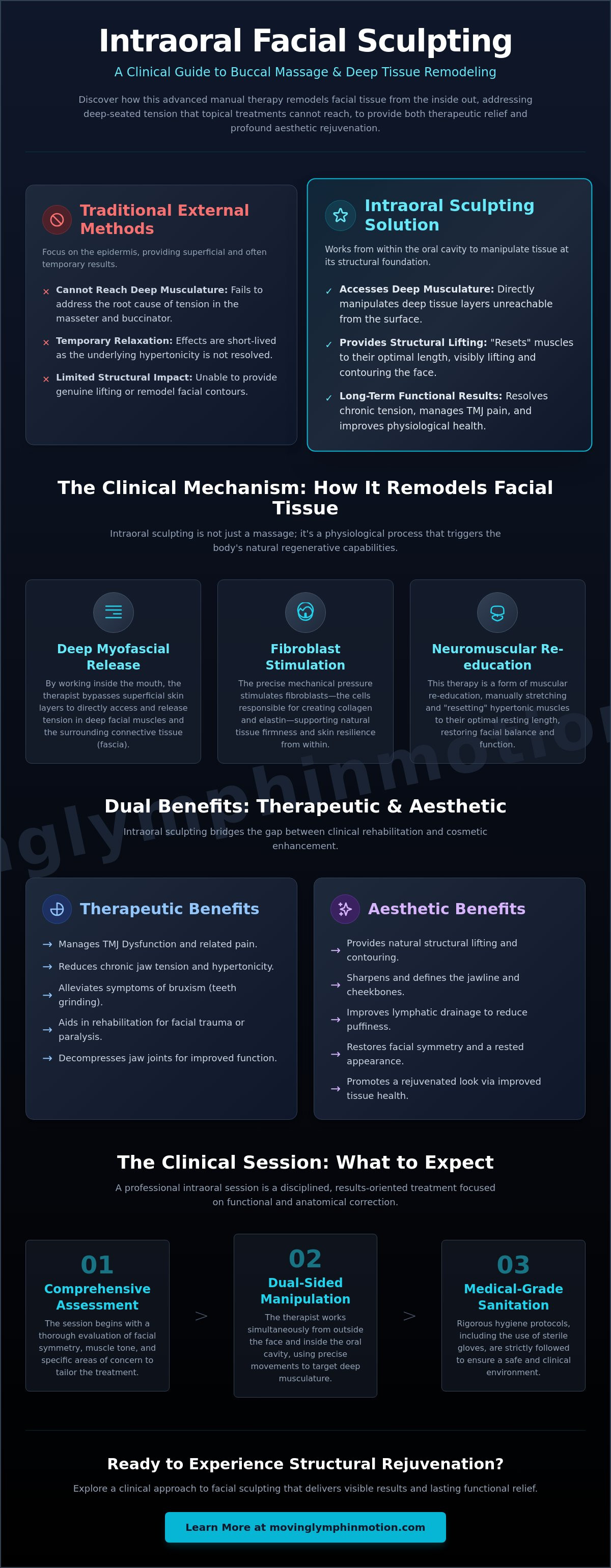
The efficacy of intraoral sculpting lies in its ability to facilitate deep myofascial release. Traditional external techniques are limited by the thickness of the skin and the protective layers of superficial fascia. By working inside the mouth, a specialist defines buccal massage through the direct manipulation of the deep facial muscles and connective tissues. For those seeking buccal massage Austin, this intraoral access is the critical factor in resolving structural stagnation and addressing tissue states that external work cannot reach. This mechanical stimulation does more than just relax the face; it actively remodels the tissue by influencing cellular behavior.
During a buccal massage Austin session, the focused pressure breaks down micro-adhesions and fibrotic tissue that often form in the lower face due to chronic tension or past inflammation. These adhesions can restrict blood microcirculation and oxygenation, leading to a dull complexion and stagnant fluid retention. Research suggests that mechanical facial massage stimulates fibroblast activity, the specific cells responsible for collagen synthesis. By physically releasing these restrictions, we restore the physiological environment necessary for tissue regeneration and long-term skin firmness.
Deep Tissue Release of the Masseter
The masseter muscle is the strongest muscle in the human body relative to its size. It's often the primary site of chronic tension, hypertonicity, and pain. When the masseter remains in a constant state of contraction, it exerts significant pressure on the temporomandibular joint and the surrounding deep fascia. Decompressing this muscle from both the internal and external sides of the cheek allows for a more comprehensive release than external work alone. This bilateral approach is vital for preventing the premature aging associated with repetitive muscle strain and structural collapsing of the mid-face. By resetting the muscle to its optimal resting length, we alleviate the "bulking" effect that often creates a heavy or squared jawline.
Lymphatic Synergy in Facial Sculpting
Structural sculpting is incomplete without addressing the fluid dynamics of the face. The manual movements used in this therapy naturally trigger the facial lymphatic drainage Austin process. By moving interstitial fluid out of the perioral and submandibular regions, we reduce the puffiness that often masks a person's natural bone structure. Clearing these lymphatic pathways is a prerequisite for achieving visible contouring results. Without proper fluid evacuation, the underlying muscle definition remains obscured by stagnant edema. If you're managing chronic jaw pain or seeking structural rejuvenation, you can explore our specialized buccal massage services to see how this clinical approach supports your long-term facial health.
Therapeutic and Aesthetic Benefits of Buccal Massage in Austin
The therapeutic value of buccal massage Austin extends far beyond surface aesthetics, offering a dual-purpose solution for both structural rejuvenation and functional relief. By addressing the musculature from the internal oral cavity, we can achieve a level of anatomical precision that external treatments simply cannot replicate. The primary outcome is a visible restoration of the face's natural architecture. Patients often report a significant sharpening of the jawline and a lifted appearance of the cheekbones as the underlying muscles are released from chronic, downward-pulling tension. This structural "reset" helps soften the appearance of nasolabial folds and marionette lines, which are frequently exacerbated by hypertonicity in the perioral muscles.
Beyond the visible lifting, this clinical approach facilitates the detoxification of facial tissues. By improving blood flow and encouraging the evacuation of metabolic waste through the lymphatic system, the skin's tone and clarity often show marked improvement. This isn't a temporary "glow" caused by topical products; it's the result of restored physiological health within the deep tissue layers. As fluid stagnation is resolved, the submandibular region becomes more defined, reducing the "heaviness" that many individuals mistake for permanent aging or fat accumulation.
Buccal Massage for TMJ and Jaw Tension
For many residents in high-stress urban environments, "stress-jaw" is a chronic condition characterized by constant clenching and teeth grinding (bruxism). External massage often fails to resolve these issues because it cannot reach the medial pterygoid or the internal attachments of the masseter. Our clinical protocol for intraoral jaw decompression involves specific manual maneuvers that stretch these muscles from the inside. This direct access provides a significant reduction in TMJ-related pain and restores a healthy range of motion to the jaw. It's a therapeutic necessity for those who find that traditional physical therapy or external massage provides only fleeting relief.
Post-Operative Recovery and Fibrosis Prevention
The application of buccal techniques is also a critical component of professional post-op lymphatic drainage Austin. Following facial surgeries such as facelifts or chin augmentations, the tissue often develops micro-adhesions or hard scar tissue known as fibrosis. If left unaddressed, this can lead to visible irregularities and a "tight" or unnatural feeling in the cheeks. Intraoral manipulation allows the therapist to gently break down these early-stage fibrotic changes, ensuring the tissue remains supple and the surgical results are optimized. This manual tissue management is essential for a smooth recovery and for maintaining the long-term integrity of the surgical work.
The Experience: What to Expect During a Clinical Buccal Session
Every professional buccal massage Austin session begins with a comprehensive diagnostic evaluation. We don't just jump into the manual technique; instead, we perform a thorough clinical assessment of facial symmetry and muscle tone. This allows us to identify specific areas of hypertonicity, such as a dominant masseter or restricted connective tissue in the mid-face. By understanding your unique anatomical baseline, we can tailor the intraoral manipulation to address your specific structural needs. Safety and hygiene are paramount in this clinical setting. We utilize medical-grade, powder-free nitrile gloves and maintain a sterile environment to ensure the highest standards of patient care during the intraoral phase.
The sensory experience is often described as a deep, therapeutic "stretch and release" from within the oral cavity. While it's more intense than a traditional facial, the pressure is methodical and controlled. You'll feel the tension in your jaw and cheeks begin to dissolve as we manually decompress the muscle fibers. To achieve cumulative and lasting structural changes, we typically recommend an initial series of treatments spaced seven to ten days apart. This frequency allows the facial muscles to undergo neuromuscular re-education, moving from a state of chronic contraction to a healthy, resting length.
Step-by-Step Protocol
The clinical protocol is divided into three distinct phases to ensure tissue safety and optimal results. First, the external preparation phase involves warming the superficial tissue and opening the primary lymphatic nodes in the neck and submandibular area. This prepares the "drainage pathways" for the fluid we'll mobilize later. Next, the intraoral phase begins. Using precise, systematic movements, we manipulate the buccinator and masticatory muscles from the inside of the cheek. Finally, the closing phase focuses on soothing the tissue and integrating external manual lymphatic drainage to ensure all mobilized interstitial fluid is properly evacuated.
Post-Treatment Care and Integration
It's normal to experience mild muscle soreness in the jaw for 24 to 48 hours after your first session. Think of this as the "workout" effect for muscles that have been chronically tight for years. Proper hydration is essential during this recovery window to support the lymphatic system in processing metabolic waste. For those seeking total body alignment, this therapy perfectly complements our build and sculpt body treatment. By addressing structural tension in both the face and the body, we facilitate a more comprehensive approach to physical rehabilitation and contouring. If you're ready to experience this specialized manual therapy, you can book your buccal massage session with our clinical team today.
Why Choose Lymph in Motion for Buccal Massage in Austin?
Selecting a practitioner for intraoral manual therapy requires a discerning approach that prioritizes clinical expertise over aesthetic trends. At Lymph in Motion, our methodology is rooted in a deep understanding of tissue rehabilitation and neuromuscular function. Led by Criselda White, our team approaches every buccal massage Austin session as a precise therapeutic intervention rather than a recreational service. We recognize that the face is a complex musculoskeletal system where chronic tension, fluid stagnation, and structural imbalances are often interconnected. By choosing a specialist focused on physiological results, you ensure that your treatment addresses the root causes of jaw dysfunction and facial sagging.
Our clinic provides individualized care for residents across Central Texas, offering convenient access for those seeking specialized therapy in Austin, Cedar Park, and Round Rock. We don't believe in standardized protocols; instead, we develop customized treatment plans tailored to your specific recovery goals. Whether you're navigating the complexities of post-operative healing or seeking relief from years of masseter hypertonicity, our clinical environment provides the safety and expertise necessary for significant physical improvement.
A Foundation in Clinical Lymphatic Therapy
The effectiveness of intraoral sculpting is fundamentally linked to the health of the facial lymphatic system. Without a clear pathway for fluid evacuation, even the most skilled muscle manipulation will yield limited results. This is why our foundation in lymphatic health is so critical. Seeing a certified lymphatic therapist Austin ensures that your buccal treatment is integrated into a holistic understanding of fluid dynamics and tissue health. We move beyond the surface level of beauty, focusing on the restoration of the deep fascia and the optimization of metabolic waste removal. This clinical perspective allows us to manage complex cases involving lymphedema or post-surgical fibrosis with a level of precision that traditional spas cannot offer.
Scheduling Your Clinical Sculpting Session
Beginning your journey toward structural facial rejuvenation starts with a comprehensive consultation. During your first clinical assessment, we'll examine your facial symmetry, discuss your history of jaw tension or surgical procedures, and identify the specific muscle groups requiring intervention. We recommend that new patients bring a list of any past facial treatments or relevant medical history to help us build the most effective recovery path. Our goal is to act as your clinical partner, providing the specialized knowledge and manual skill required to restore your facial health and contour. Schedule your clinical buccal massage at Lymph in Motion today.
Advance Your Facial Health Through Clinical Sculpting
Achieving meaningful structural change in the face requires a methodology that respects both anatomy and physiology. Intraoral manual therapy provides the specific access needed to decompress the masseter and remodel the deep facial fascia. By integrating these techniques with specialized lymphatic health protocols, you can address chronic jaw tension while simultaneously restoring anatomical definition. Our medical-grade approach to buccal massage Austin ensures that every manipulation is purposeful, safe, and evidence-based.
Led by Criselda White, a specialized lymphatic therapist, our team at Lymph in Motion focuses on holistic tissue rehabilitation. We specialize in post-operative cosmetic surgery recovery and managing the complexities of TMJ dysfunction, providing a structured path toward physical restoration. We move beyond superficial aesthetics to prioritize the long-term health and integrity of your facial tissues. We invite you to experience the transformative power of intraoral sculpting under the guidance of dedicated clinical specialists. Book Your Clinical Buccal Massage in Austin and take the first step toward lasting structural balance and relief.
Frequently Asked Questions
Is buccal massage painful?
Buccal massage is not inherently painful, though it involves deep, intense pressure that may feel unfamiliar. Most patients describe a sensation of productive release as we decompress the hypertonic masseter and buccinator muscles. While the intraoral phase is more rigorous than a standard massage, it shouldn't cause sharp distress. You might experience mild muscle soreness for 24 to 48 hours afterward, similar to the feeling following a deep tissue body treatment.
How long do the results of a buccal massage last?
Immediate results, such as reduced puffiness and a temporary lift, typically last for several days after your first session. However, the long-term goal of buccal massage Austin is cumulative structural change through neuromuscular re-education. When performed in a consistent series, the results can last for several months. Maintenance sessions are recommended every four to six weeks to preserve the sculpted jawline and prevent the return of chronic muscle tension.
Can I get buccal massage if I have dermal fillers or Botox?
You can receive this treatment if you have injectables, but you must adhere to specific waiting periods to ensure safety. We recommend waiting at least two weeks after Botox and four weeks after dermal fillers before scheduling a session. This prevents the displacement of the product and allows any initial injection-site inflammation to resolve. Always inform your therapist about the location and timing of your recent cosmetic procedures during your clinical assessment.
How often should I get buccal massage for TMJ relief?
For effective TMJ relief, we typically recommend an initial intensive phase consisting of one session per week for six to eight weeks. This consistent frequency is necessary to reset the chronic contraction of the masticatory muscles and decompress the jaw joint. Once the hypertonicity is managed and your range of motion improves, you can transition to a maintenance schedule every four to six weeks to prevent future symptom flare-ups.
What is the difference between buccal massage and a regular facial?
A regular facial primarily addresses the epidermis and dermis through topical products and superficial stimulation. In contrast, buccal massage Austin is a manual therapy that targets the deep musculature and fascia from within the oral cavity. While a facial improves skin texture and hydration, buccal sculpting focuses on anatomical lifting, jaw decompression, and the release of deep-seated tension that topical treatments cannot reach.
Is buccal massage safe after facial plastic surgery?
This technique is exceptionally safe and beneficial for post-operative recovery once your surgeon provides clinical clearance, usually around six weeks post-op. It plays a vital role in preventing the formation of hard scar tissue, known as fibrosis, and managing residual edema. By gently manipulating the tissue from the inside, we can ensure the cheeks remain supple and the surgical results are optimized without putting undue stress on external incisions.
Can buccal massage help with facial asymmetry?
Yes, this therapy is a highly effective tool for addressing facial asymmetry caused by muscular imbalances. Many individuals habitually chew on one side or clench unevenly, leading to a more developed masseter on one side of the face. By manually releasing the tighter side and balancing muscle tone through intraoral work, we can create a more symmetrical, harmonious appearance. We focus on restoring functional balance to the entire lower-face structure.
What should I avoid doing after a buccal massage session?
After your session, you should avoid activities that put excessive strain on the jaw or increase systemic inflammation for at least 24 hours. This includes avoiding hard, crunchy foods that require heavy chewing and skipping intense heat treatments like saunas or hot yoga. Focus on maintaining high levels of hydration to support the lymphatic system in processing metabolic waste mobilized during the deep tissue work.


