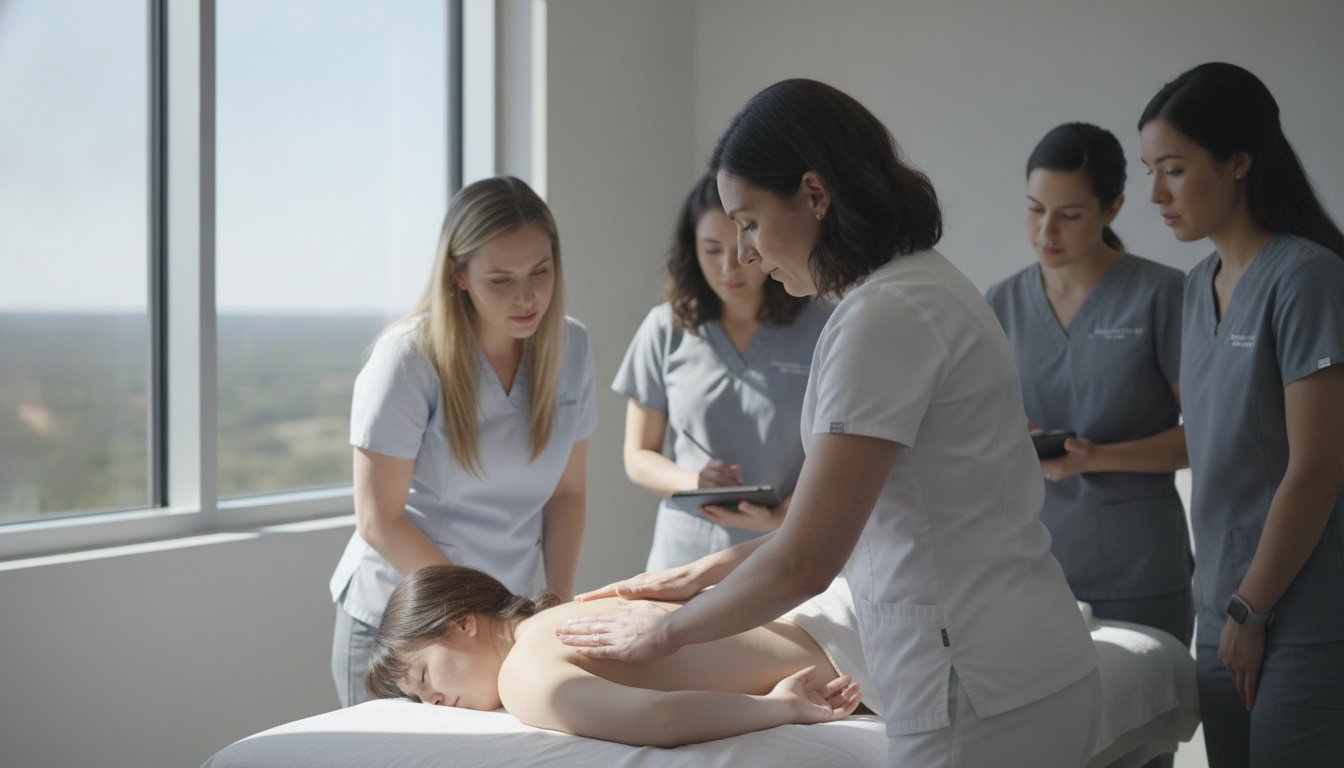
Applying a "wellness massage" technique to a fresh Lipo 360 incision isn't just ineffective; without specialized clinical training, it's a significant liability that can compromise a patient's physiological recovery. You likely recognize that the surge in cosmetic procedures has created an urgent demand for expert care, yet the gap between a recreational spa treatment and medical-grade recovery remains dangerously wide. Many practitioners worry that inadequate training might lead to patient injury or that their current skills won't meet the needs of complex surgical cases. Obtaining a recognized manual lymphatic drainage certification is the essential bridge between general bodywork and the precise, evidence-based world of post-operative medicine.
We understand the frustration of investing in courses that offer only surface-level knowledge without the advanced protocols required for BBL or tummy tuck recovery. This guide outlines the clinical standards and selection criteria you need to identify a high-caliber program in 2026. You'll learn how to distinguish between basic certifications and those that provide the anatomical depth necessary to manage fluid dynamics and tissue states safely. We will examine the specific educational requirements, hybrid learning models, and advanced recovery protocols that define the industry's highest standards this year.
Key Takeaways
- Professional manual lymphatic drainage certification validates your ability to manipulate the lymphatic system through precise, rhythmic skin stretching, moving beyond basic wellness massage into medical-grade therapy.
- Distinguish between wellness-focused protocols for minor puffiness and clinical MLD designed to manage complex pathological states like lymphedema and acute surgical trauma.
- Master the physiological recovery protocols for high-demand cosmetic procedures, including Lipo 360, BBLs, and tummy tucks, to safely elevate your clinical practice.
- Evaluate potential training programs by verifying the instructor’s clinical experience and ensuring the curriculum is approved by the National Certification Board for Therapeutic Massage & Bodywork (NCBTMB).
- Discover how specialized education at Lymph in Motion focuses on achieving measurable clinical results through advanced post-operative recovery methodologies.
What is Manual Lymphatic Drainage Certification?
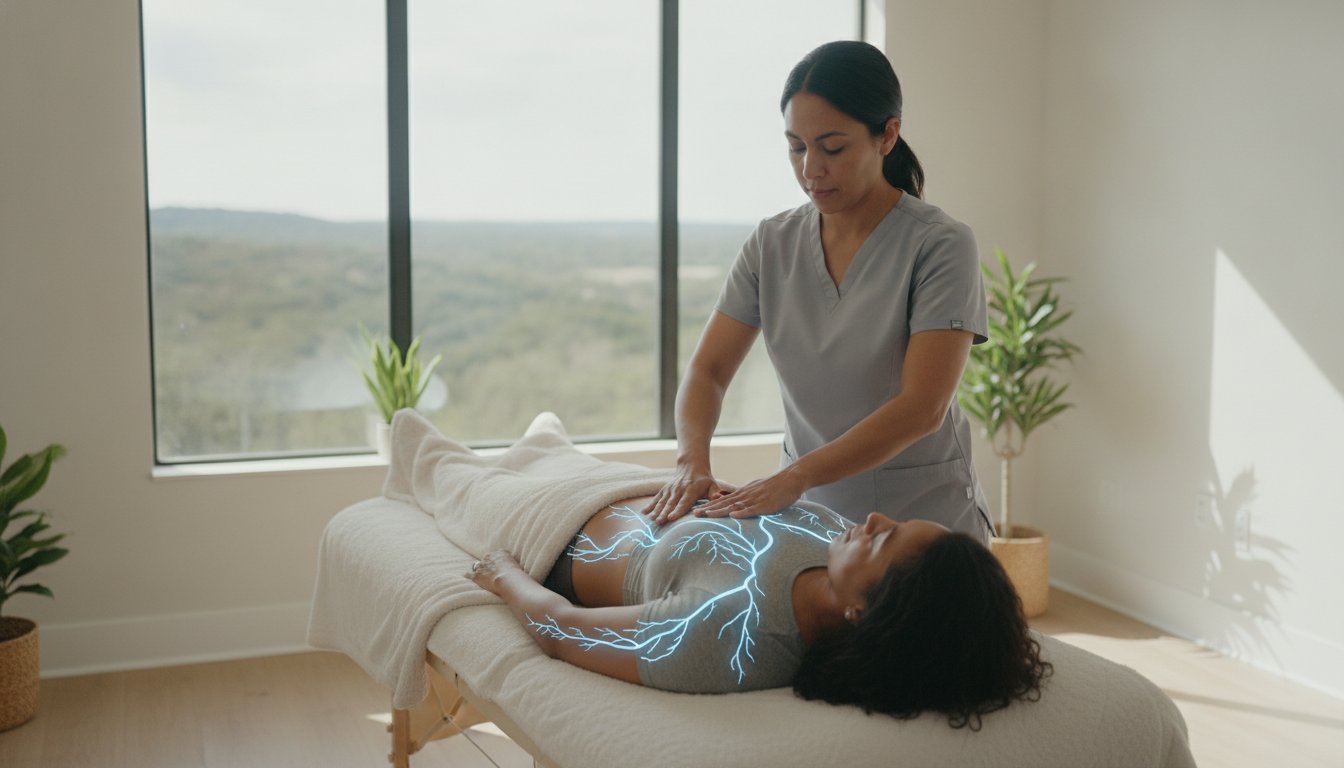
A professional manual lymphatic drainage certification represents more than a specialized skill set; it's a clinical credential that validates a practitioner's mastery over the body's secondary circulatory system. Unlike general massage certifications, this credentialed training program is designed specifically for licensed healthcare practitioners, such as massage therapists, physical therapists, and nurses. It confirms a therapist's ability to engage with the lymphatic system through precise, rhythmic skin stretching that encourages the movement of lymph fluid toward healthy nodes. By 2026, the industry has clearly bifurcated, distinguishing between introductory wellness certificates and advanced clinical certifications that prepare therapists for complex medical environments.
The methodology behind Manual Lymphatic Drainage is rooted in decades of anatomical research and physiological study. Earning this certification typically requires a rigorous combination of theoretical anatomy, clinical hands-on hours, and a comprehensive practical examination. In Texas, where the Department of Licensing and Regulation (TDLR) oversees massage therapy, these programs often range from 40 to 45 contact hours for initial certification. This structure ensures that the practitioner doesn't just memorize movements but understands the underlying biological mechanics necessary to manage tissue states effectively.
The Core Principles of Clinical MLD Training
Clinical training prioritizes a deep understanding of superficial and deep lymphatic structures. Practitioners must master the fluid dynamics of the interstitium and the pathophysiology of various types of edema. The rhythmic stretching must be applied with specific pressure. It's typically enough to move the skin without compressing the underlying vessels, which would impede the very fluid movement the therapist seeks to facilitate. Consistency is maintained through adherence to established methodologies such as the Vodder, Leduc, or Foldi techniques. These frameworks provide a standardized language and approach, ensuring that every session is evidence-based and physiologically purposeful.
Why Professional Certification Matters in 2026
In the current healthcare environment, a clinical manual lymphatic drainage certification is a prerequisite for safety when treating high-risk post-operative patients. It establishes a necessary standard of care, ensuring that therapists can identify contraindications and manage surgical trauma without causing secondary injury. For Texas-based practitioners, these certifications provide essential Continuing Education Units (CEUs) required to maintain state licensure. Holding a recognized credential builds foundational trust with referring plastic surgeons and oncology specialists in Austin. It positions the therapist as a clinical partner in the patient's recovery journey rather than a traditional service provider. This specialized knowledge allows for a more nuanced approach to patient care, prioritizing long-term physiological results over temporary aesthetic improvements.
Evaluating Certification Levels: Wellness vs. Clinical MLD
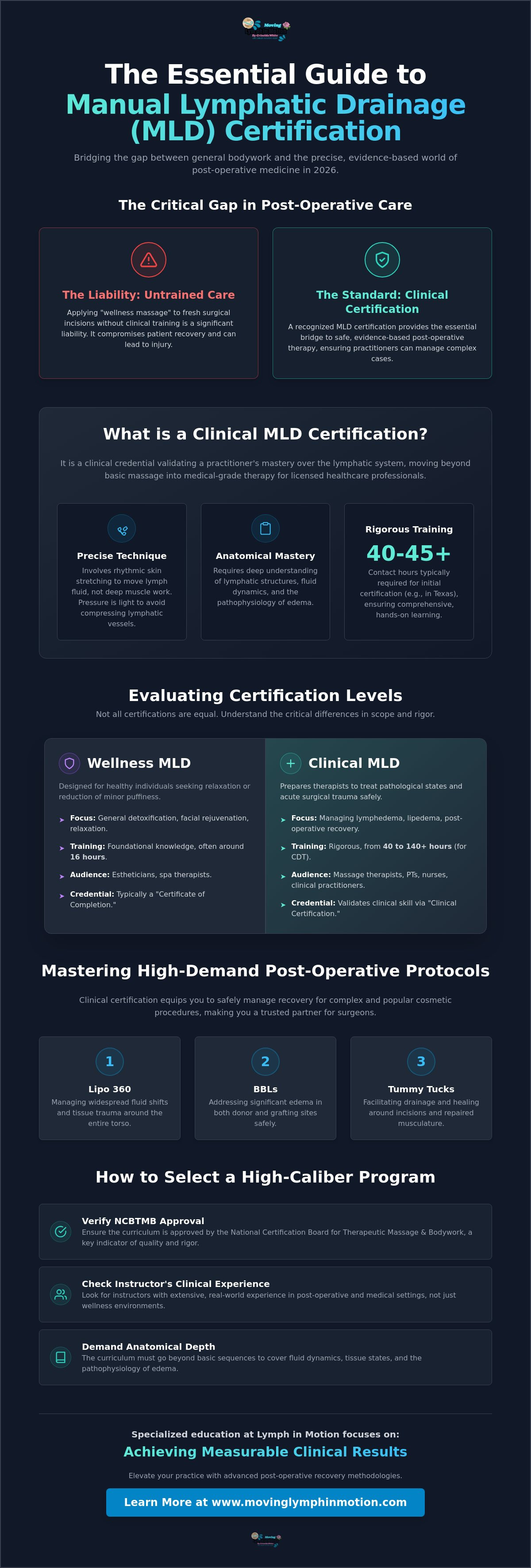
Choosing the correct manual lymphatic drainage certification requires a clear understanding of the practitioner's intended scope of practice. Wellness-focused MLD is primarily designed for healthy individuals seeking systemic detoxification, general relaxation, or the reduction of minor facial puffiness. These programs often provide foundational knowledge of the lymphatic system but lack the depth required to manage medical complications. In contrast, clinical MLD training is a rigorous path that prepares therapists to treat pathological states. This includes managing lymphedema, lipedema, and the acute trauma associated with surgical procedures. A Systematic Review of MLD Efficacy demonstrates that while the therapy is highly effective, its application must be precisely tailored to the specific physiological challenge presented by the patient.
The duration and intensity of these programs vary significantly to reflect these different objectives. Introductory wellness courses may only require 16 hours of classroom time, focusing on basic sequences for the face and neck. Comprehensive clinical programs, such as those for Complete Decongestive Therapy (CDT), can demand up to 140 hours of specialized education, including bandaging and skin care. Under 2026 industry standards, a Certificate of Completion simply confirms that a student attended a specific educational module, whereas a Clinical Certification validates that the practitioner has passed rigorous examinations to safely manage complex medical conditions and pathological tissue states.
Basic MLD Certification for Estheticians
This level of training focuses heavily on facial protocols and skin rejuvenation. It is particularly valuable for professionals working with patients undergoing rhinoplasty or blepharoplasty, where targeted drainage can significantly reduce downtime. These courses often emphasize the aesthetic benefits of fluid movement, such as improved skin clarity and contouring. Many practitioners at this level successfully integrate these techniques with specialized services like buccal massage Austin to achieve superior intraoral facial sculpting results.
Advanced Practitioner Certification for Medical Recovery
For those specializing in post-operative care, advanced manual lymphatic drainage certification is essential. This training provides a deep dive into the prevention of post-op fibrosis and the management of seromas. Therapists learn specific protocols for complex body contouring surgeries, such as Lipo 360 and BBL, where fluid dynamics are drastically altered. This level of expertise is also a prerequisite for those wishing to specialize in lymphedema therapy Austin TX. Practitioners looking to bridge the gap between wellness and medical-grade recovery can explore our clinical training schedule to ensure their skills meet current medical standards.
Specializing in Post-Operative Cosmetic Surgery Recovery
The cosmetic surgery market represents the most significant growth area for individuals possessing a manual lymphatic drainage certification. As aesthetic procedures become more sophisticated, the medical community's reliance on specialized recovery protocols has increased. Practitioners must move beyond basic strokes to understand the profound physiological impact of liposuction, abdominoplasty, and fat transfers. These surgeries don't merely create swelling; they disrupt the entire delicate architecture of the lymphatic capillaries. A certified specialist understands how to navigate the inflammatory markers specific to these procedures, ensuring the body’s healing response remains productive rather than pathological. This advanced training provides the essential framework for post-op lymphatic drainage Austin professionals who operate within high-stakes clinical environments.
Clinical competence in this niche involves managing the physical realities of the immediate post-operative period. Therapists must be proficient in working safely around surgical drains and assessing the integrity of incisional healing. They also play a pivotal role in monitoring the application of compression garments, which are vital for preventing fluid accumulation but can cause tissue damage if improperly fitted. This level of care requires a meticulous eye for detail and a commitment to patient safety that isn't typically found in traditional wellness settings. By mastering these variables, practitioners can significantly reduce patient downtime and improve the overall surgical outcome.
Addressing Fibrosis and Seroma Prevention
Managing tissue hardness, or fibrosis, is a critical post-operative skill. Aggressive liposuction often leaves the tissue traumatized; a certified practitioner knows how to apply MLD to soften these areas before they become permanent. Identifying seromas, which are localized pockets of fluid, is equally vital. Practitioners must know how to monitor these developments and when to refer the patient back to their surgeon for aspiration. This expertise often integrates with advanced manual contouring techniques, such as the build and sculpt body treatment, to ensure the surgical result is preserved and optimized through precise tissue manipulation.
Collaborating with Plastic Surgeons in Central Texas
Professional manual lymphatic drainage certification serves as a credential of trust that facilitates clear communication with surgical teams. Using standardized medical terminology allows therapists to provide accurate progress reports and charting that surgeons can rely on. This professional alignment ensures that the patient receives a seamless continuum of care from the operating room to the recovery suite. Establishing these rigorous standards helps in building strong referral networks across Cedar Park, Round Rock, and Georgetown. When a surgeon knows a therapist understands the specific physiological demands of a BBL or a tummy tuck, they're far more likely to entrust their patients to that practitioner's care.
How to Choose the Right MLD Training Program in Texas
Selecting a manual lymphatic drainage certification program requires a discerning approach that prioritizes clinical experience over marketing promises. You must verify the instructor’s clinical background and active practice status. A teacher who no longer treats patients may lack insights into evolving surgical techniques or contemporary compression technologies. It's also essential to confirm that the course has earned approval from the National Certification Board for Therapeutic Massage & Bodywork (NCBTMB). This ensures the curriculum meets national standards and provides the necessary Continuing Education Units (CEUs) for your professional standing.
Look for programs that include a hands-on lab with real-world clinical scenarios. Theoretical knowledge is insufficient when you're faced with a patient experiencing acute post-operative swelling or early-stage fibrosis. A high-quality program should offer post-certification support and access to a professional community. This ongoing connection provides a safety net as you begin to apply advanced protocols in your own practice, allowing you to consult with peers on complex cases.
Texas State Board Requirements for 2026
For Licensed Massage Therapists (LMTs) in Texas, the Department of Licensing and Regulation (TDLR) requires 12 CE hours every two years to maintain a valid license. When selecting a manual lymphatic drainage certification, ensure the program is accredited, as this is often a prerequisite for professional liability insurance coverage. Practitioners in Austin and surrounding areas must also remain aware of local regulations regarding clinical space sanitation and patient privacy, especially when operating within a multidisciplinary medical facility or referring to surgical centers.
The ROI of MLD Certification
Investing in a specialized credential offers a clear path to increased revenue. While initial tuition costs vary, the ability to charge a premium for medical-grade services often results in a rapid return on investment. There is a documented market demand for manual lymph drainage therapists in Central Texas, driven by the high volume of cosmetic surgeries in the region. Once certified, you can market your expertise directly to local surgical centers and oncology clinics, highlighting your specialized knowledge in tissue states and fluid dynamics. To begin your professional transition into clinical excellence, register for our upcoming certification modules to secure your place in this high-demand field.
Professional MLD Training at Lymph in Motion
Earning a manual lymphatic drainage certification through Lymph in Motion provides practitioners with a specialized clinical edge that general continuing education courses often lack. Developed by Criselda White, the curriculum is rooted in years of active clinical practice and a deep understanding of post-surgical physiological demands. This training isn't a broad overview of wellness techniques; it's a rigorous, results-oriented mld practitioner certification course designed to elevate the standard of care in the Austin, Cedar Park, and Leander areas. By focusing on the specific needs of the Central Texas medical community, we ensure our graduates are prepared to enter high-volume surgical recovery environments with confidence and technical precision.
Practitioners who complete this program gain the specialized skills required to handle high-complexity clinical manual lymphatic drainage cases. This includes the management of acute inflammatory responses and the navigation of disrupted lymphatic pathways following major body contouring. We prioritize the transition from student to specialist by focusing on measurable clinical outcomes. You'll learn to assess tissue states with a level of accuracy that allows for truly individualized treatment plans, moving away from standardized, one-size-fits-all protocols that can hinder the healing process.
The Lymph in Motion Curriculum Advantage
Our curriculum offers a direct focus on 'Post-Op Cosmetic Surgery' recovery protocols, which is currently the fastest-growing niche in the field. We maintain medical-grade therapeutic standards by emphasizing anatomical precision and the science of fluid dynamics. To ensure every student receives the necessary hands-on correction, we maintain small class sizes. This personalized clinical instruction allows for immediate feedback on your technique, ensuring that your pressure and rhythm are perfectly calibrated to stimulate the initial lymph collectors without causing secondary trauma to the patient's delicate surgical sites.
Join the Next Certification Cohort
As we move through 2026, our upcoming course dates are structured to accommodate the schedules of busy professionals seeking a 45-hour comprehensive manual lymphatic drainage certification. Prerequisites for enrollment include an active Massage Therapy License, consistent with Texas Department of Licensing and Regulation (TDLR) requirements. This ensures that all participants possess the foundational 500 hours of massage education necessary for advanced clinical study. If you're ready to transition your practice into the specialized field of post-operative medicine, Register for our MLD Certification Course via Vagaro to secure your position in our next clinical cohort.
Advancing Your Practice Toward Clinical Excellence
Transitioning from a general wellness practitioner to a clinical specialist requires a commitment to medical-grade standards. We've discussed how a clinical manual lymphatic drainage certification bridges the gap between basic relaxation and the complex physiological management of post-operative trauma. By mastering advanced protocols for surgeries like Lipo 360 and tummy tucks, you position yourself as an essential partner in a patient's recovery journey. This expertise ensures you can manage tissue states and fluid dynamics with precision while avoiding the risks associated with inadequate training.
Achieving this level of proficiency is most effective through hands-on instruction that mirrors real-world clinical challenges. Our certification program in Austin, TX, is led by specialized lymphatic expert Criselda White and focuses specifically on high-demand post-op recovery. You'll gain the anatomical precision and technical confidence to handle pathological tissue states safely. It's time to elevate your professional standards and meet the growing demand for specialized medical-grade care. Register for the MLD Practitioner Certification Course today to secure your place in our next clinical cohort. We look forward to supporting your professional growth.
Frequently Asked Questions
Is MLD certification the same as a massage license?
No, a manual lymphatic drainage certification is a specialized credential that is distinct from a state-issued massage license. A license provides the legal authority to practice general bodywork, while a certification validates your advanced proficiency in manipulating the lymphatic system. In Texas, practitioners must typically hold an active license in massage therapy or a related healthcare field before they can pursue this clinical designation.
How long does it take to become a certified lymphatic therapist?
The timeline varies depending on the depth of the curriculum you choose. Basic clinical certifications generally require between 40 and 45 contact hours of specialized instruction. If you're pursuing a full credential in Complete Decongestive Therapy (CDT) to treat lymphedema, the training can extend to 140 hours to include complex bandaging and skin care protocols.
Can I perform MLD on post-op patients with a basic certification?
Performing post-operative care with only a basic wellness certificate isn't recommended due to the high risk of complications. Wellness-level training focuses on systemic detoxification in healthy individuals, whereas clinical-grade training is required to manage surgical trauma and fibrosis. You need an advanced understanding of fluid dynamics and contraindications to safely treat patients who have undergone procedures like liposuction or abdominoplasty.
What are the prerequisites for MLD certification in Texas?
Prerequisites usually include a current license as a massage therapist, physical therapist, occupational therapist, or nurse. In Texas, massage therapists must have completed at least 500 classroom hours of education from a TDLR-licensed school. These requirements ensure you have the foundational anatomical knowledge necessary to master the precise, rhythmic techniques used in lymphatic therapy.
Is online MLD certification as effective as in-person training?
Purely online training is rarely as effective as in-person instruction for mastering manual techniques. While digital modules are excellent for learning theoretical anatomy and fluid pathophysiology, the rhythmic skin-stretching technique requires hands-on feedback from a clinical instructor. Most reputable programs in 2026 use a hybrid model that combines online theory with mandatory in-person practical labs.
How often do I need to recertify in manual lymphatic drainage?
Most credentialing bodies require practitioners to recertify or complete advanced continuing education every two years. This schedule ensures that your skills remain aligned with the latest medical research and evolving surgical recovery protocols. Regularly updating your manual lymphatic drainage certification also helps you meet the biennial CEU requirements for maintaining your Texas state professional license.
Will insurance cover treatments from a certified MLD therapist?
Insurance coverage depends on the patient’s specific plan and the underlying medical diagnosis. Treatments for pathological conditions like lymphedema or lipedema are often eligible for reimbursement when performed by a certified therapist under a physician's referral. However, post-operative sessions for elective cosmetic surgeries are typically considered out-of-pocket expenses for the patient.
What is the average cost of a professional MLD certification course in 2026?
Industry data indicates that professional certification courses generally range from $750 to $1,300 depending on the program's depth and the number of contact hours provided. Shorter continuing education classes may cost less but don't offer the comprehensive clinical credential required for medical-grade specialization. It's important to weigh the tuition against the curriculum’s clinical depth and the instructor’s active practice experience.