
Post-operative swelling isn't just a side effect of your procedure; it’s a physiological transport failure that can dictate the final quality of your surgical outcome. You've invested significant resources into your transformation, yet persistent edema often masks the contours you sought to achieve. It’s common to feel a sense of unease when tissue hardness and restricted mobility linger longer than expected, creating a barrier between you and your desired results.
We recognize that clinical recovery requires a specialized understanding of how the body processes trauma. To safely reduce swelling after cosmetic surgery, you need a methodology that moves beyond passive waiting and addresses the mechanics of the lymphatic system. This guide provides a detailed look at the biological triggers of post-operative inflammation and the precise therapeutic steps necessary to expedite fluid clearance. You'll discover how to manage tissue states effectively to avoid fibrosis, ensuring a faster return to your social life with the smooth, refined results your surgeon intended.
Key Takeaways
- Understand the biological mechanisms of post-operative edema and why surgical trauma disrupts your body's natural fluid transport pathways.
- Identify the essential clinical protocols, such as strategic elevation and medical-grade compression, to effectively reduce swelling after cosmetic surgery.
- Learn how Manual Lymphatic Drainage (MLD) utilizes lymphangiomotoricity to stimulate vessel contractions and accelerate the clearing of interstitial fluid.
- Discover the critical window for preventing fibrosis and ensuring that stagnant edema doesn't transition into permanent tissue hardness or lumps.
- Gain insights into the specialized "Build and Sculpt" methodology designed to optimize surgical contours and support a refined, anatomical recovery.
The Physiology of Post-Operative Edema: Why Swelling Occurs
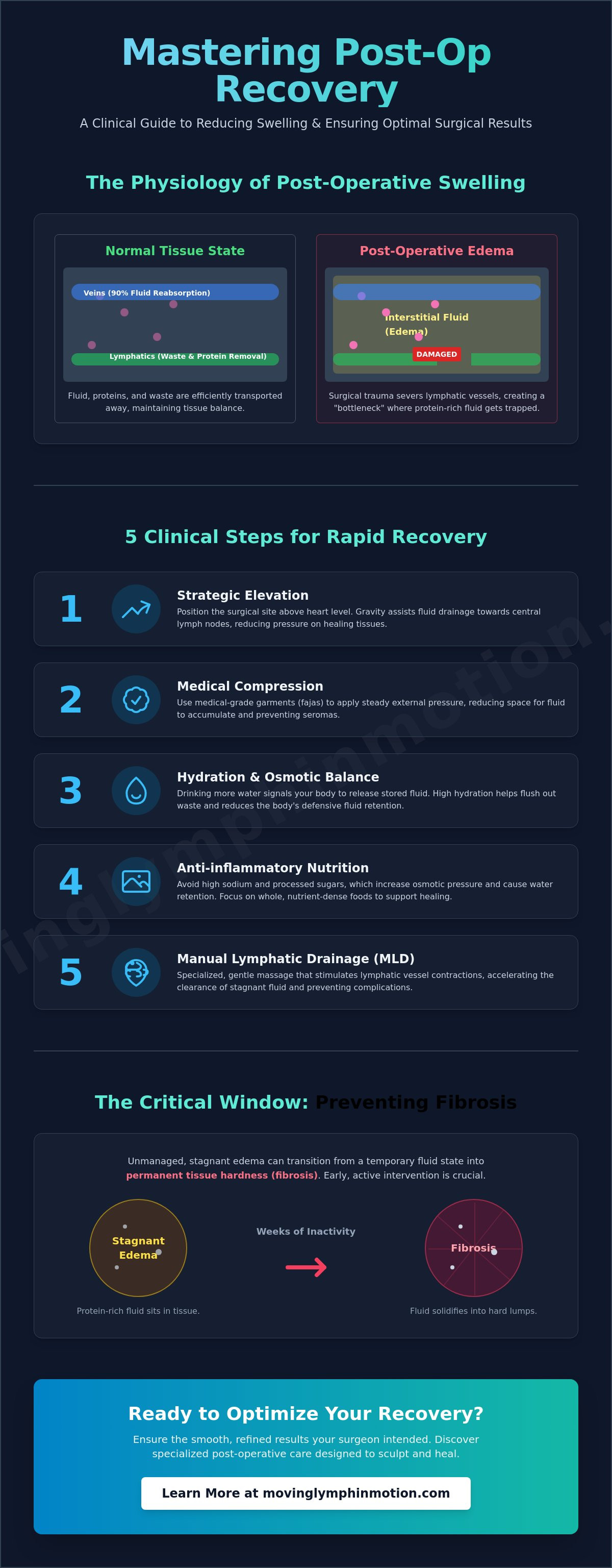
Understanding the biological response to surgery is the first step toward a successful recovery. Clinical post-operative edema is defined as the accumulation of protein-rich fluid within the interstitial space, the area surrounding your cells. While it's a natural part of the inflammatory response, it presents a significant challenge for the body's drainage mechanisms. During a procedure, surgical incisions and tissue manipulation inevitably disrupt or sever the delicate lymphatic capillaries. This damage creates a bottleneck where fluid can enter the tissue but cannot easily exit.
The recovery timeline typically involves two distinct phases of swelling. Acute inflammation occurs within the first 48 hours as the body sends white blood cells and plasma to the site of injury. Secondary edema, however, can persist for two to six weeks as the body attempts to remodel tissue while lymphatic pathways remain compromised. In the context of surgical trauma, the lymphatic load is the total volume of fluid, protein, and cellular debris that the lymphatic system must transport to maintain tissue homeostasis. When this load exceeds the system's capacity, visible swelling and discomfort occur.
The Role of the Lymphatic System in Healing
The lymphatic system serves as the body’s primary waste management network. It's responsible for removing metabolic byproducts and excess fluid that the venous system cannot process. While your veins reabsorb approximately 90 percent of fluid from the tissues, they're unable to transport the large protein molecules found in post-operative fluid. Only the lymphatic system possesses the structural capacity to handle these proteins. When you seek to reduce swelling after cosmetic surgery, you're essentially waiting for these vessels to repair and regain their transport capacity. This reabsorption process becomes sluggish because the initial trauma often temporarily disables the rhythmic contractions of the lymph vessels. Without this active pumping, fluid remains stagnant in the tissues.
Factors Influencing the Severity of Swelling
Several variables dictate how much fluid your body retains after a procedure. The nature of the surgery itself is a primary factor. Extensive procedures like liposuction involve a larger surface area of tissue trauma compared to more localized surgeries like a facelift. This increased surface area results in a higher volume of interstitial debris. Other critical factors include:
- Osmotic Pressure: High salt intake increases the osmotic pressure of your tissues, which pulls more water into the interstitial space and keeps it there.
- Hydration Levels: Dehydration can cause the body to hold onto fluids more aggressively. It's a defensive response that can worsen the appearance of edema.
- Baseline Health: Your genetic makeup and pre-existing lymphatic health determine how quickly your vessels can regenerate. Patients with a more efficient baseline system often clear fluid faster than those with compromised circulation.
- Holistic Support: Integrating wellness practices can further optimize your body's internal environment. Experts like Dr. Tiffany Yeo-Reddy emphasize how a holistic approach to health can support the inflammatory response during recovery.
By identifying these physiological hurdles, you can implement targeted clinical steps to reduce swelling after cosmetic surgery and support the body's natural healing rhythm.
5 Clinical Steps to Reduce Swelling After Cosmetic Surgery
Implementing a clinical protocol is essential to manage the lymphatic load and ensure your results aren't compromised by chronic inflammation. While your body initiates the repair of damaged vessels, these five steps provide the structural and chemical support needed to reduce swelling after cosmetic surgery. Success in recovery depends on a methodical approach that addresses both fluid dynamics and tissue health.
- Strategic Elevation: Position the surgical site above the level of the heart. This utilizes gravity to assist the proximal drainage of fluid toward the central lymph nodes, reducing the pressure on healing tissues.
- Compression Therapy: Medical-grade fajas and foam inserts provide steady external pressure. This reduces the available space for fluid to accumulate and prevents the formation of "fluid pockets" or seromas.
- Hydration and Osmotic Balance: Water intake is paradoxical; drinking more water helps the body release fluid. Maintaining high hydration levels allows the system to flush out cellular debris and metabolic waste effectively.
- Anti-inflammatory Nutrition: Avoid sodium and processed sugars. These substances increase osmotic pressure, causing the body to retain water in the interstitial space and prolonging the visible edema.
- Controlled Movement: Gentle activity activates the "muscle pump" effect. As muscles contract, they physically compress nearby lymph vessels, stimulating the flow of stagnant fluid through the system.
Optimizing Your Compression Routine
Compression is not a one-size-fits-all solution. Stage 1 garments are designed for the immediate post-operative period, focusing on high-level stability and fluid management. As you move into the second or third week, you'll typically transition to Stage 2 garments, which focus on contouring and shaping. If your garment is too tight, it can cause "cording" or localized tissue trauma; if it's too loose, it may allow fluid to settle. Using lipo-foam inserts between the skin and the garment ensures even pressure distribution and prevents permanent skin indentations.
Movement and Activity Guidelines
Prolonged bed rest is often counterproductive. It can lead to increased swelling in the lower extremities and a sluggish circulatory system. For the first 14 days, prioritize short, low-impact walking sessions every few hours. These safe protocols help to reduce swelling after cosmetic surgery by maintaining active circulation without overtaxing the heart. You should only transition to vigorous activity once your therapist confirms that the acute swelling phase has subsided. Engaging in a professional Post-Operative Cosmetic Surgery Recovery program ensures your activity level aligns perfectly with your physiological healing rate.
Manual Lymphatic Drainage: The Clinical Standard for Recovery
Manual Lymphatic Drainage (MLD) stands as the clinical gold standard to reduce swelling after cosmetic surgery. Unlike recreational massage, MLD is a specialized, light-touch technique designed to interact specifically with the lymphatic system. The primary goal is to enhance "lymphangiomotoricity," which is the physiological term for the spontaneous contraction of the lymph vessels. By applying gentle, rhythmic strokes, a therapist stimulates the lymphangions, the functional units of the lymph collector vessels, to increase their pumping frequency. This active stimulation facilitates the movement of protein-rich fluid away from the surgical site and toward healthy, functioning lymph nodes.
It's vital to distinguish this clinical approach from aggressive "body contouring" or deep tissue massage. In the early stages of recovery, your tissues are in a state of high fragility. Applying excessive pressure can cause further micro-trauma, exacerbate inflammation, and potentially damage the delicate lymphatic capillaries as they attempt to regenerate. For a deeper understanding of these mechanics, you can review our guide on manual drainage for post-op edema.
MLD vs. Traditional Massage
The fundamental difference lies in the anatomical focus. Traditional massage targets the musculature and deep connective tissues, often using significant force to release tension. MLD, conversely, targets the superficial lymphatic plexus, which resides just beneath the skin's surface. There are three primary reasons why traditional massage is contraindicated during early recovery:
- Vessel Compression: Because lymphatic vessels are highly compressible, heavy-handed pressure can collapse the fragile new lymphatic sprouts.
- Inflammatory Spikes: Aggressive manipulation can trigger a secondary inflammatory response, increasing the fluid load rather than reducing it.
- Tissue Fragility: Surgical sites require a non-invasive approach to avoid disrupting internal sutures or delicate skin flaps.
Clinical safety requires a therapist trained in the Vodder Method, a globally recognized standard that ensures the technique is both effective and non-invasive. Certification in this method indicates a deep understanding of fluid dynamics and surgical recovery protocols.
When to Start Professional Lymphatic Therapy
Timing is a critical variable in your recovery outcome. Most clinical protocols recommend starting MLD within 24 to 72 hours after your procedure, provided there are no contraindications from your surgeon. This early intervention prevents the accumulation of stagnant fluid before it has the chance to thicken or harden. During the first three weeks, a frequency of two to three sessions per week is often necessary to manage the peak of the inflammatory response. This consistent drainage is especially important for complex procedures, such as those requiring bbl recovery lymphatic massage, where large volumes of fluid must be managed to preserve the newly sculpted contours and safely reduce swelling after cosmetic surgery.
Preventing Fibrosis and Chronic Tissue Hardness
While the immediate clinical goal is to reduce swelling after cosmetic surgery, the secondary focus must be the prevention of fibrosis. Fibrosis is the pathological development of excess fibrous connective tissue, essentially acting as internal scarring that occurs when the body's inflammatory response remains unresolved. If post-operative edema is allowed to stagnate, it undergoes a significant chemical transition. The protein-rich interstitial fluid becomes "gel-like" as fibrinogen converts into fibrin, eventually hardening into palpable, localized nodules. Persistent, untreated edema serves as the biological scaffolding upon which permanent tissue changes and structural irregularities are built.
The role of Manual Lymphatic Drainage (MLD) in this phase is to keep the fluid mobile. By stimulating the lymphatic collectors, MLD ensures that fibrin and other cellular debris are cleared before they can organize into dense scar tissue. Maintaining fluid dynamics is the most effective way to prevent the formation of fibrotic nodules that can compromise the aesthetic results of your procedure.
Identifying Early Signs of Fibrosis
It is essential to differentiate between the standard firmness of healing and pathological fibrosis. Normal post-operative firmness is typically diffuse and gradually softens as the inflammatory phase subsides. In contrast, fibrosis presents as localized, "woody" tissue or hard lumps that may feel tethered to the underlying structures. Areas such as the abdomen following Lipo 360 are particularly prone to these complications because the extensive surgical field creates more opportunities for fluid to settle in the lower trunk. To help monitor your progress, you can refer to the post-op recovery massage Cedar Park checklist, which provides a clinical framework for identifying early-stage tissue hardening.
Therapeutic Approaches to Tissue Softening
Specialized MLD techniques are designed to gently shear early-stage adhesions before they become permanently established. This process requires a methodical approach to tissue manipulation that prioritizes the health of the lymphatic plexus. Alongside professional therapy, the consistent use of compression garments is vital. These garments eliminate "dead space"—the gaps between the skin and muscle created during surgery—where fluid and fibrotic tissue are most likely to accumulate. If you notice persistent "lumps and bumps" that do not respond to elevation, you should consult your therapist immediately. Addressing these changes early is the only reliable way to reduce swelling after cosmetic surgery while preserving a smooth, anatomical contour.
If you are experiencing unusual tissue hardness or restricted mobility, professional intervention can help restore your body's natural texture. Our specialized Post-Operative Cosmetic Surgery Recovery programs are designed to manage these complexities and ensure a seamless healing journey.
Specialized Post-Op Care in Austin with Lymph in Motion
Navigating the complexities of physical recovery requires more than general instructions; it demands a clinical partnership rooted in physiological expertise. At Lymph in Motion by Criselda White, we provide a sophisticated environment where patients can safely reduce swelling after cosmetic surgery through evidence-based protocols. Serving the greater Austin area, including Cedar Park, Round Rock, and Georgetown, our practice acts as a bridge between the operating room and your final aesthetic result. For those seeking a deeper understanding of our regional expertise, our post-op lymphatic drainage Austin pillar offers a comprehensive roadmap for surgical recovery.
The Lymph in Motion by Criselda White Clinical Protocol
We reject standardized, mass-market mentalities in favor of individualized, meticulous care. Each session begins with a personalized assessment of your tissue state, where we evaluate fluid volume, skin tension, and the presence of any early-stage adhesions. This data-driven approach allows us to tailor the application of Manual Lymphatic Drainage (MLD) to your specific recovery phase. A cornerstone of our practice is the 'Build and Sculpt' methodology. This specialized approach focuses on manually enhancing surgical contours by managing the fluid dynamics that often obscure a surgeon's work. By integrating expert MLD with precise guidance on compression and home care, we ensure your recovery is both efficient and anatomically accurate, prioritizing long-term tissue health over temporary fixes.
Booking Your Recovery Sessions
The first 72 hours following your procedure are the most critical for managing the peak inflammatory response. Because of this narrow window, pre-booking your post-op sessions before your surgical date is essential to ensure you receive timely, professional care. This proactive planning guarantees your place in our clinical schedule during the phase when your lymphatic system is most compromised. To prepare for your first clinical appointment in Austin, stay hydrated and ensure you have your medical-grade compression garments ready for adjustment. If you're a resident of Liberty Hill or Leander, we invite you to secure a recovery path that is as precise as your surgical procedure. Choosing a dedicated clinical partner is the most reliable way to reduce swelling after cosmetic surgery while protecting the integrity of your results.
Securing Your Surgical Transformation
Recovery is a dynamic physiological process that requires more than passive rest. By recognizing that post-operative edema is a temporary transport failure of the lymphatic system, you can take active steps to protect your surgical investment. The integration of clinical protocols, particularly Manual Lymphatic Drainage, serves as the most effective way to reduce swelling after cosmetic surgery while preventing the onset of chronic tissue hardness or fibrosis. These interventions ensure your body's waste management network is supported during its most vulnerable phase, allowing your final results to emerge with clarity and precision.
At Lymph in Motion by Criselda White, we provide the specialized expertise necessary to navigate this complex healing journey. As a Certified Manual Lymphatic Drainage Specialist focused on post-op fibrosis prevention, we offer a methodical, evidence-based approach to recovery. We proudly serve clients in Austin, Cedar Park, and Georgetown who are committed to achieving smooth, anatomical outcomes. Don't leave your final contours to chance. Schedule your clinical post-op recovery sessions in Austin today to ensure your body has the professional support it needs to heal beautifully and efficiently.
Frequently Asked Questions
How long does swelling typically last after cosmetic surgery?
Visible swelling usually peaks within the first 48 to 72 hours and begins to subside significantly over the first six weeks. However, residual edema can persist for three to six months as the deep tissues continue to remodel. The timeline depends on the extent of the procedure and the efficiency of your lymphatic system in regenerating the capillaries damaged during the surgical process.
Is it normal for swelling to increase 3 to 5 days after surgery?
Yes, it's common for inflammation to intensify slightly during the first week as the body's acute repair phase reaches its peak. This increase often occurs as surgical fluids shift and the inflammatory response recruits more plasma to the site of injury. While this can feel discouraging, it's a standard physiological reaction that typically begins to resolve once you initiate professional drainage protocols.
Can I use ice packs to reduce swelling, and for how long?
Ice is generally restricted to the first 48 to 72 hours to constrict blood vessels and limit the initial surge of inflammation. Prolonged use of cold therapy can actually hinder recovery by slowing down the metabolic processes and lymphatic flow required to clear fluid. After the acute phase, the lymphatic system responds better to gentle movement and the body's natural warmth to facilitate fluid transport.
What happens if I don't get lymphatic drainage after liposuction?
Foregoing professional drainage increases the risk of chronic tissue hardness and irregular contours. When protein-rich fluid remains stagnant in the interstitial space, it can transition into fibrotic nodules or "lumps" that are difficult to resolve later. Utilizing Manual Lymphatic Drainage to reduce swelling after cosmetic surgery ensures that fluid remains mobile and is cleared before it can organize into dense, restrictive scar tissue.
How many sessions of MLD will I need to see a difference?
Most patients experience a measurable reduction in tissue tension and improved comfort after their first two appointments. To achieve optimal results and prevent fibrosis, a series of 10 to 12 sessions is generally recommended during the first month of recovery. This consistent frequency is necessary to reduce swelling after cosmetic surgery by providing the rhythmic stimulation your lymph vessels need to process the increased surgical load.
Does drinking more water really help reduce fluid retention?
Yes, maintaining high hydration levels is essential for balancing the osmotic pressure within your tissues. When the body is dehydrated, it defensively holds onto water, which exacerbates edema and makes the interstitial fluid more viscous. Drinking adequate water helps to dilute the protein concentration in the fluid, making it easier for the lymphatic system to transport and filter cellular debris through the lymph nodes.
Can I perform lymphatic drainage on myself at home?
While gentle skin stretching can offer minor relief, self-drainage lacks the clinical precision required to address deep surgical edema. Professional Manual Lymphatic Drainage is a technical discipline that requires an intimate knowledge of anatomical drainage pathways and the correct direction of flow. Improper technique can inadvertently push fluid into areas where the lymph nodes are already overwhelmed, potentially increasing localized pressure and discomfort.
When should I be concerned that my swelling is a sign of a complication?
You should contact your surgeon if you notice a sudden, asymmetric increase in swelling accompanied by redness or excessive heat. These symptoms, especially when paired with a fever or sharp, localized pain, can indicate an infection or the formation of a seroma. While some firmness is expected, any rapid change in tissue texture or the appearance of skin discoloration requires an immediate clinical evaluation to ensure patient safety.