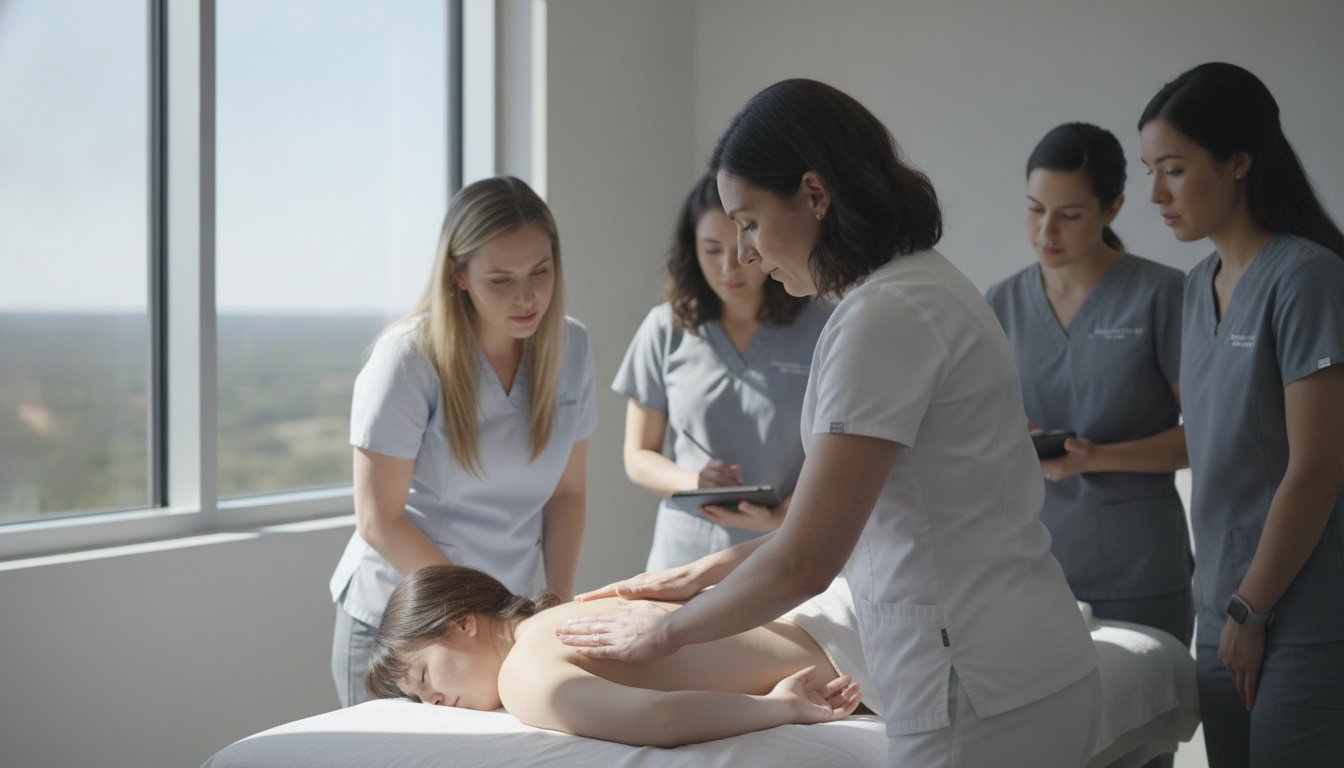

Your Brazilian Butt Lift results are not finalized in the operating room; they are secured during the delicate physiological transition of the first six weeks. While the surgical procedure reshapes the body, the subsequent inflammatory response can lead to significant edema and the formation of fibrotic tissue if not managed with clinical precision. You likely recognize the physical toll of post-surgical swelling, but the fear that "lumps" or uneven texture might ruin your investment is a valid concern for any patient. This is why bbl recovery lymphatic massage is a critical component of a professional post-operative protocol.
We'll help you understand the physiological necessity of clinical lymphatic drainage and how it functions to protect your fat grafts while accelerating the healing process. You'll learn how to distinguish between harmful, aggressive massage techniques and evidence-based Manual Lymphatic Drainage (MLD). This guide provides a clinical overview of how to reduce inflammation, prevent seromas, and achieve the smooth, contoured aesthetic results you expect from your recovery journey in Austin.
Key Takeaways
- Understand how surgical trauma disrupts interstitial fluid balance and why manual intervention is required to prevent secondary tissue damage.
- Learn the science behind fluid dynamics and how reducing localized edema directly supports the survival and oxygenation of newly transferred fat cells.
- Distinguish between clinical Manual Lymphatic Drainage and dangerous "aggressive" techniques that can lead to infection, tissue shearing, or compromised results.
- Identify the optimal frequency for bbl recovery lymphatic massage during the acute and sub-acute phases to ensure a smooth, contoured aesthetic outcome.
- Discover the clinical methodology used at Lymph in Motion to provide specialized, medical-grade care tailored to your specific anatomical recovery needs.
The Physiological Role of the Lymphatic System in BBL Recovery
The lymphatic system serves as the body’s primary architectural network for fluid homeostasis and immunological surveillance. It functions by collecting excess interstitial fluid, cellular debris, and proteins from the extracellular space and returning them to the venous circulation. During a Brazilian Butt Lift (BBL), the mechanical action of liposuction cannulas creates significant trauma within the subcutaneous tissue layers. This disruption severs the delicate superficial lymphatic vessels, effectively halting the natural transport of fluid in the surgical areas. Because these pathways are physically compromised, the body cannot achieve efficient self-drainage during the initial stages of healing. This physiological stall necessitates a clinical intervention like bbl recovery lymphatic massage to manually bridge the gap in fluid transport.
Understanding Post-Surgical Edema
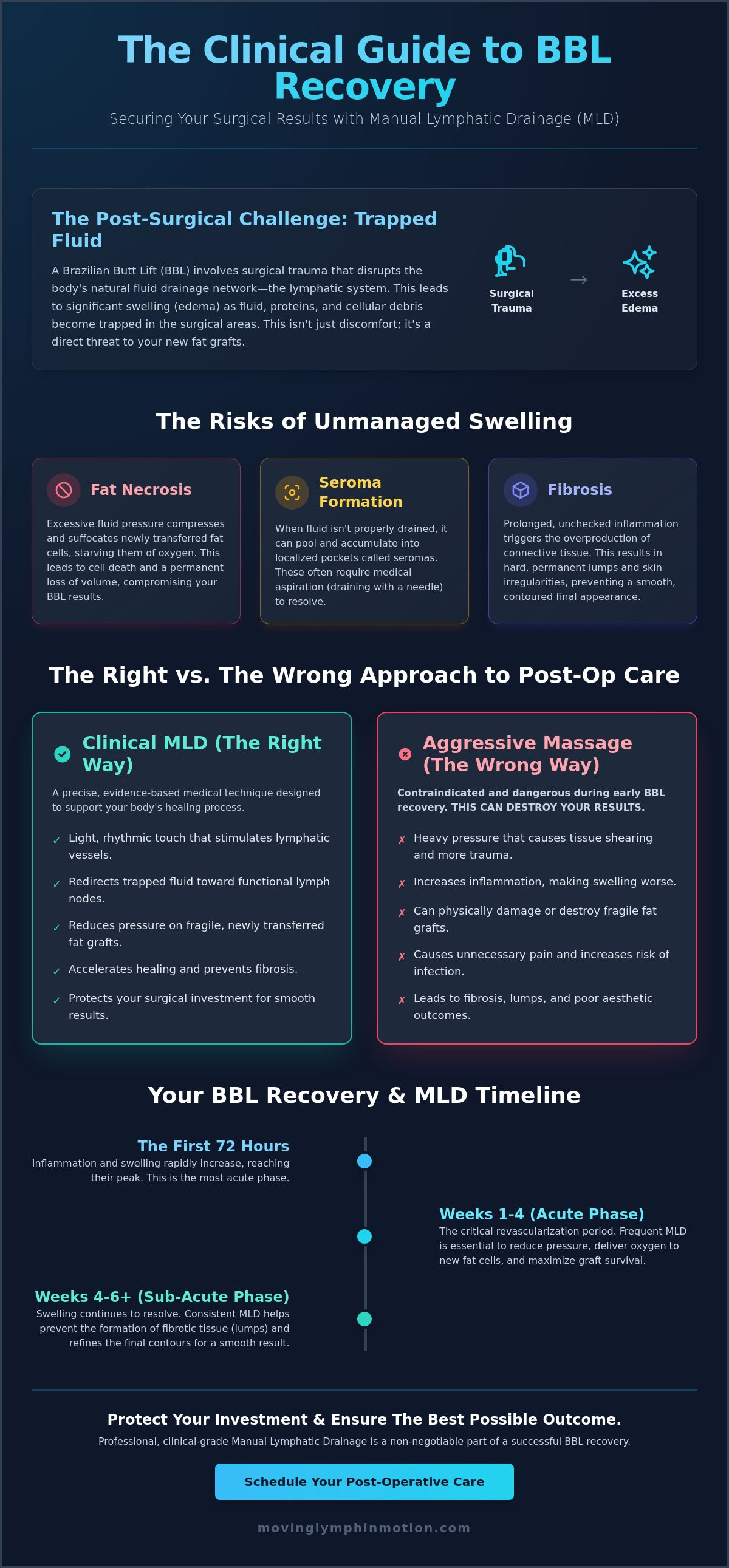
Post-operative edema is a direct result of the body’s inflammatory cascade. After the surgical trauma occurs, blood vessels become more permeable, allowing fluid and white blood cells to flood the area to begin the repair process. This swelling typically reaches its maximum intensity approximately 72 hours after the procedure. While inflammation is a necessary part of healing, excessive or trapped fluid creates high interstitial pressure. This pressure is particularly dangerous during BBL recovery because it can compress the newly transferred fat cells, restricting the blood supply and oxygenation they need to survive.
If this fluid remains stagnant, the patient faces several clinical risks:
- Fat Necrosis: High pressure can starve the fat grafts of oxygen, leading to cell death and loss of volume.
- Seroma Formation: Unmanaged fluid can accumulate into localized pockets that may require medical aspiration.
- Fibrosis: Prolonged inflammation can trigger the overproduction of connective tissue, resulting in hard "lumps" or permanent skin irregularities.
Manual Lymphatic Drainage (MLD) vs. General Massage
It’s vital to distinguish between specialized clinical care and recreational bodywork. Manual Lymphatic Drainage (MLD) is a specific, light-touch medical technique designed to stimulate the contraction of the lymphangions, which are the functional units of the lymphatic vessels. This methodology, rooted in the Vodder technique, uses rhythmic, precise movements to redirect fluid toward functional lymph nodes. In contrast, general deep tissue massage or "aggressive" post-op techniques are strictly contraindicated during early recovery. Applying heavy pressure can cause further tissue shearing, increase inflammation, and physically damage the fragile fat grafts. Utilizing bbl recovery lymphatic massage ensures that the focus remains on physiological fluid dynamics rather than superficial muscle relaxation.
The Science of Fluid Dynamics and Fat Graft Survival
The success of a Brazilian Butt Lift depends heavily on the survival of the transferred adipose tissue. After the surgeon meticulously injects fat into the target areas, those cells exist in a state of metabolic vulnerability. They are no longer connected to a direct blood supply and must rely on the surrounding interstitial fluid for nutrients through a process called diffusion. However, when the surgical site is overwhelmed by edema, the internal pressure rises significantly. This mechanical pressure can compress the tiny, emerging blood vessels, leading to localized fat necrosis. Using bbl recovery lymphatic massage helps mitigate this pressure, creating a physiological environment where the new fat can thrive rather than struggle.
Proper fluid management also ensures the aesthetic integrity of the procedure. Excessive swelling distorts the newly sculpted contours, stretching the skin and potentially leading to sagging if the fluid persists for too long. By supporting the body's lymphatic system, we encourage efficient skin retraction. This allows the skin to settle smoothly over the new volume, preserving the precision of the surgeon's work and preventing the "heavy" look associated with chronic post-operative swelling.
Oxygenation and Tissue Healing
During the critical revascularization phase, which typically occurs between weeks one and four, the transferred fat requires a constant supply of oxygen. If the interstitial space is saturated with stagnant fluid, capillary growth is hindered. Reducing edema lowers the resistance against these delicate new vessels, allowing them to deliver vital nutrients to the graft site. Fat graft viability is defined by the successful integration of transferred adipose cells into the recipient site's vascular network, a process fundamentally dependent on a low-pressure interstitial environment.
Preventing Fibrosis and Scar Tissue
Fibrosis is one of the most common complications following liposuction and BBL procedures. It manifests as hard, "woody" patches or lumps under the skin. This occurs because stagnant, protein-rich fluid acts as a biological signal for the body to produce excess collagen. Over time, this disorganized collagen hardens into internal scar tissue. Implementing manual drainage for post-op edema ensures that these proteins are cleared before they can trigger a fibrotic response.
Maintaining tissue suppleness is a primary goal of clinical recovery. Patients who prioritize their lymphatic health often experience more refined results and a more comfortable healing process. If you are navigating the complexities of post-surgical swelling, seeking guidance from a specialist at Lymph in Motion can provide the clinical oversight necessary to protect your surgical investment.
Clinical MLD vs. Aggressive Post-Op Massage: Protecting Your Results
Clinical recovery is often misunderstood as a process requiring physical endurance, particularly regarding the myth that "aggressive" massage is necessary to achieve a smooth result. This misconception suggests that pain equals progress, but in the context of physiological healing, the opposite is true. High-pressure techniques can cause iatrogenic trauma to the delicate subcutaneous tissues already sensitized by surgery. Utilizing a specialized bbl recovery lymphatic massage avoids these risks by prioritizing the natural mechanics of the lymphatic system, which responds best to a light, rhythmic touch rather than brute force.
One of the most dangerous practices observed in non-clinical settings is the "milking" of incisions. This involves forcefully pushing fluid out through surgical openings that are trying to close. This technique carries a high risk of introducing surface bacteria into deeper tissue layers, potentially leading to severe infections. Additionally, the mechanical shear stress of pushing fluid against the skin's internal layers can disrupt the early stages of hemostasis and wound closure, leading to prolonged healing times and unnecessary distress for the patient.
The Dangers of Non-Clinical Techniques
Techniques involving wood therapy, rollers, or deep-tissue pressure are strictly contraindicated during the first six weeks of BBL recovery. Heavy pressure collapses the microscopic lymphatic capillaries located just beneath the epidermis, rendering them unable to transport fluid. This physical obstruction leads to a rebound effect where the body actually produces more swelling as a protective response. Furthermore, improper handling increases the risk of hematomas and significant bruising, which can further complicate the revascularization of your fat grafts.
Choosing a Certified Professional
When seeking care in Central Texas, it's essential to verify that your practitioner holds a CLT (Certified Lymphedema Therapist) credential. This certification ensures they possess the anatomical knowledge required to navigate the complexities of surgical recovery safely. You should ask specific questions about their post-op lymphatic drainage Austin experience, specifically regarding BBL protocols. A clinical specialist will never ask you to "push through the pain." If a therapist suggests that bruising or extreme discomfort is a normal part of the process, it's a significant red flag that their methodology is not evidence-based.
A professional educator will always prioritize your safety and the integrity of your surgical results. By choosing a provider who understands the nuanced fluid dynamics of the body, you ensure a recovery that is as smooth and efficient as possible. This meticulous, medical-grade approach is what differentiates a clinical partner from a standard service provider.
Your BBL Recovery Timeline: Frequency and Duration of Care
Recovery from a Brazilian Butt Lift follows a predictable biological sequence that requires specific therapeutic interventions at each stage. While the initial surgical results are visible immediately, the final aesthetic outcome is determined by how effectively the body manages the inflammatory cascade over the first six weeks. A structured schedule for bbl recovery lymphatic massage ensures that fluid is evacuated before it can organize into fibrotic tissue or cause excessive pressure on the newly transferred fat grafts.
Your recovery is also influenced by exogenous factors such as sodium intake, hydration levels, and the consistent use of professional-grade compression garments. High sodium consumption can exacerbate interstitial fluid retention, while dehydration slows the metabolic clearance of surgical byproducts. When these factors are managed alongside clinical therapy, the body can move through the inflammatory phases more efficiently, leading to a faster return to daily activities.
The First Two Weeks: Establishing Drainage
The acute phase of recovery, spanning from day three to day fourteen, is the most critical window for edema control. We typically recommend beginning clinical sessions between 3 and 5 days post-op, once the initial surgical hemostasis is stable. During this window, the lymphatic system is often overwhelmed by the volume of fluid and cellular debris. Clinical protocols generally suggest a frequency of 2 to 3 sessions per week to maintain low interstitial pressure. Integrating your post-op recovery massage Cedar Park sessions early in this timeline helps prevent the accumulation of fluid that leads to seromas.
Weeks 3 to 6: Refining the Contour
As you enter the sub-acute phase between weeks three and six, the primary goal shifts from fluid evacuation to tissue remodeling and contour refinement. While the most intense swelling has usually subsided, this is the period where late-onset fibrosis or "stubborn" areas of localized edema can appear. We adjust the frequency of MLD based on your specific tissue response and increasing activity levels. Maintaining professional MLD during this phase ensures that the skin adheres smoothly to the new underlying shape; this prevents the "wavy" or uneven texture that can occur when stagnant fluid is allowed to linger during the skin retraction process.
To ensure your healing process remains on a precise physiological track, you should book your clinical recovery sessions with a specialist who understands the nuances of the post-operative timeline.
Specialized Clinical Lymphatic Therapy in Austin at Lymph in Motion
At Lymph in Motion, the approach to bbl recovery lymphatic massage is rooted in a deep understanding of anatomical structures and fluid mechanics. Criselda White provides a level of specialized care that transcends standard post-operative services, focusing on the physiological integrity of the healing tissue. This methodology ensures that every movement serves a clinical purpose, whether it's redirecting stagnant interstitial fluid or mitigating the early signs of fibrotic development. We don't view recovery as a passive waiting period; it's an active, managed process that requires meticulous oversight to protect your surgical investment.
Education is a cornerstone of our clinical practice. We believe that empowering patients with knowledge about their own recovery leads to superior long-term outcomes. This includes guidance on how to manage your internal environment through proper hydration and the correct application of compression. By understanding the "why" behind each therapeutic step, you become an informed partner in your own healing journey. This collaborative relationship is essential for navigating the complexities of post-surgical care in the Austin area.
A Dedicated Clinical Partner for Your Recovery
Local surgeons frequently refer their patients to Lymph in Motion for complex post-operative cases. These professionals recognize that surgical success depends on the quality of the recovery environment. Because Criselda White also provides manual lymph drainage therapists education, she maintains a standard of care that reflects current medical research and best practices. Your recovery protocol is never a standardized template. It's a personalized clinical plan tailored to the specific nuances of your surgical procedure and your body's unique inflammatory response.
Enhancing Results with Build and Sculpt
Once you've moved past the acute phase of edema management, the focus naturally shifts toward aesthetic maintenance and tissue quality. Our build and sculpt body treatment serves as the bridge between clinical recovery and long-term body contouring. This specialized manual therapy optimizes muscle tone and skin elasticity, ensuring that your results remain refined and supple long after the initial swelling has subsided. It's an essential step for those who want to maximize the longevity of their Brazilian Butt Lift.
Taking the first step toward a safe and effective recovery is a matter of clinical priority. To ensure your body receives the specialized attention it requires, Schedule your clinical consultation with our expert team. We are dedicated to providing the medical-grade care necessary to guide you through a smooth, successful, and evidence-based recovery process.
Securing Your Surgical Investment Through Clinical Care
Success after a Brazilian Butt Lift is contingent upon the body's ability to navigate the inflammatory phase without compromising newly transferred adipose tissue. Prioritizing a structured protocol of bbl recovery lymphatic massage ensures that interstitial pressure is managed with anatomical precision. This clinical approach prevents the development of chronic fibrosis and supports the revascularization of fat grafts, allowing your results to settle into a smooth, natural contour. By adhering to a methodical recovery timeline, you mitigate the risks of unmanaged edema and protect the physical integrity of your procedure.
Navigating the complexities of post-operative care requires a dedicated clinical partner. At Lymph in Motion, we provide specialized post-op clinical protocols led by Certified Lymphedema Therapist (CLT) expertise. We serve patients across Austin, Cedar Park, and Georgetown, offering the medical-grade oversight necessary for a safe and efficient healing journey. Book Your Clinical BBL Recovery Session with Criselda White to ensure your recovery is guided by evidence-based methodology. We're here to help you achieve a healthy, refined aesthetic result that you can enjoy with confidence.
Frequently Asked Questions
How soon after my BBL should I start lymphatic massage?
Clinical protocols generally recommend beginning therapy between 3 and 5 days following your procedure, once surgical hemostasis is stable. Initiating care during this acute phase is essential for managing the inflammatory cascade and preventing early fluid accumulation. Early intervention allows the therapist to redirect interstitial fluid before it becomes stagnant and organizes into more complex, fibrotic tissue structures.
Is BBL recovery lymphatic massage supposed to be painful?
No, clinical Manual Lymphatic Drainage (MLD) should be a gentle, rhythmic, and painless experience. Unlike aggressive post-op techniques that involve heavy pressure or milking incisions, MLD utilizes light skin stretching to stimulate the superficial lymphatic capillaries. Pain is often a clinical indicator of tissue trauma or excessive pressure, which can actually trigger more inflammation rather than resolving it.
How many sessions of lymphatic drainage will I need after a BBL?
Most clinical protocols suggest a series of 8 to 12 sessions within the first 2 to 4 weeks of recovery. The frequency is typically higher during the acute phase, often 2 to 3 sessions per week, to manage peak edema levels. Your therapist will adjust the total duration of care based on your specific tissue response, hydration levels, and the presence of any residual swelling.
Can I do my own lymphatic drainage at home after surgery?
Self-treatment is not a substitute for professional bbl recovery lymphatic massage performed by a certified specialist. Proper drainage requires a sophisticated understanding of anatomical pathways and the ability to detect subtle changes in tissue density. Attempting to manage surgical edema without clinical training can lead to improper fluid redirection or accidental tissue damage in sensitized, healing areas.
Will lymphatic massage damage my fat grafts or change my shape?
Clinical MLD is specifically designed to protect your fat grafts by reducing the interstitial pressure that hinders capillary growth and oxygenation. It does not change the intended surgical shape but rather refines the contour by removing the distorting effects of edema. Conversely, aggressive massage should be avoided, as heavy pressure can cause fat necrosis and physically disrupt the newly transferred cells.
What is the difference between a regular massage and clinical MLD?
Regular massage focuses on muscle manipulation and deep tissue relaxation, whereas clinical MLD is a medical-grade technique targeting the lymphatic system. MLD utilizes a very light, rhythmic touch to move fluid through the superficial vessels located just beneath the skin. Applying the deep pressure common in Swedish massage to a surgical site can collapse lymphatic pathways and exacerbate post-operative swelling.
How do I know if I am developing fibrosis after my BBL?
Fibrosis typically manifests as localized areas of hard, woody, or lumpy tissue beneath the skin. These patches often feel significantly firmer than the surrounding areas and may appear as visible irregularities in your contour. This condition occurs when protein-rich fluid is allowed to remain stagnant, triggering the body to produce excessive collagen fibers. Early detection during clinical sessions is key to resolving these areas.
Should I wear my compression garment during the lymphatic massage?
Your compression garment must be removed during the session to allow the therapist direct access to the skin and to facilitate unrestricted fluid movement. However, it is clinically necessary to re-apply the garment immediately following your treatment. The compression provides the external pressure needed to maintain the low-volume state achieved during the session and prevents fluid from re-accumulating in the interstitial spaces.