
What if the ultimate success of your surgical results depends less on the precision of the scalpel and more on how your body manages the subsequent inflammatory load? While a Mommy Makeover offers a transformative physical shift, the simultaneous disruption of lymphatic pathways in the abdomen and breast tissue creates a complex recovery environment. You likely expect some swelling, but the reality of post-surgical edema and the anxiety surrounding potential fibrosis can feel overwhelming. Securing professional lymphatic drainage after mommy makeover Austin is not merely a luxury; it's a clinical intervention designed to facilitate the transport of stagnant fluid and metabolic waste.
You've made a significant commitment to your physical well-being and aesthetic goals. It's natural to want a recovery process that is as efficient and predictable as possible. This guide details the physiological necessity of manual lymphatic drainage to optimize tissue healing and prevent the development of hard, irregular lumps. By understanding the mechanics of your recovery, you can transition from acute inflammation to a smooth, contoured result with confidence. We will preview the specific stages of clinical recovery and explain how specialized MLD ensures your investment leads to the lasting results you deserve.
Key Takeaways
- Understand how Manual Lymphatic Drainage manages the multi-site trauma of simultaneous abdominal and breast procedures to facilitate efficient healing.
- Learn why specialized lymphatic drainage after mommy makeover Austin is critical for preventing the transition from temporary edema to permanent, irregular fibrosis.
- Recognize the clinical difference between gentle, skin-stretching MLD and aggressive massage techniques that risk damaging delicate post-surgical tissues.
- Identify the optimal recovery timeline for scheduling sessions, ensuring support through both the acute inflammatory phase and the sub-acute contouring stage.
- Discover the advantages of a clinical protocol led by a certified educator who prioritizes physiological results and patient safety.
The Physiological Role of Lymphatic Drainage in Mommy Makeover Recovery
The anatomical complexity of a Mommy Makeover requires a recovery strategy that addresses more than just surface-level healing. This combination procedure, which typically includes an abdominoplasty, mastopexy, and liposuction, represents a significant multi-site trauma to the body's soft tissues. While the aesthetic results are often transformative, the physiological cost is a profound disruption of the lymphatic system. Manual lymphatic drainage (MLD) serves as a clinical intervention to restore fluid equilibrium when the body’s natural pathways are compromised. Without this specialized assistance, the accumulation of interstitial fluid can lead to prolonged discomfort and complications that threaten your surgical investment.
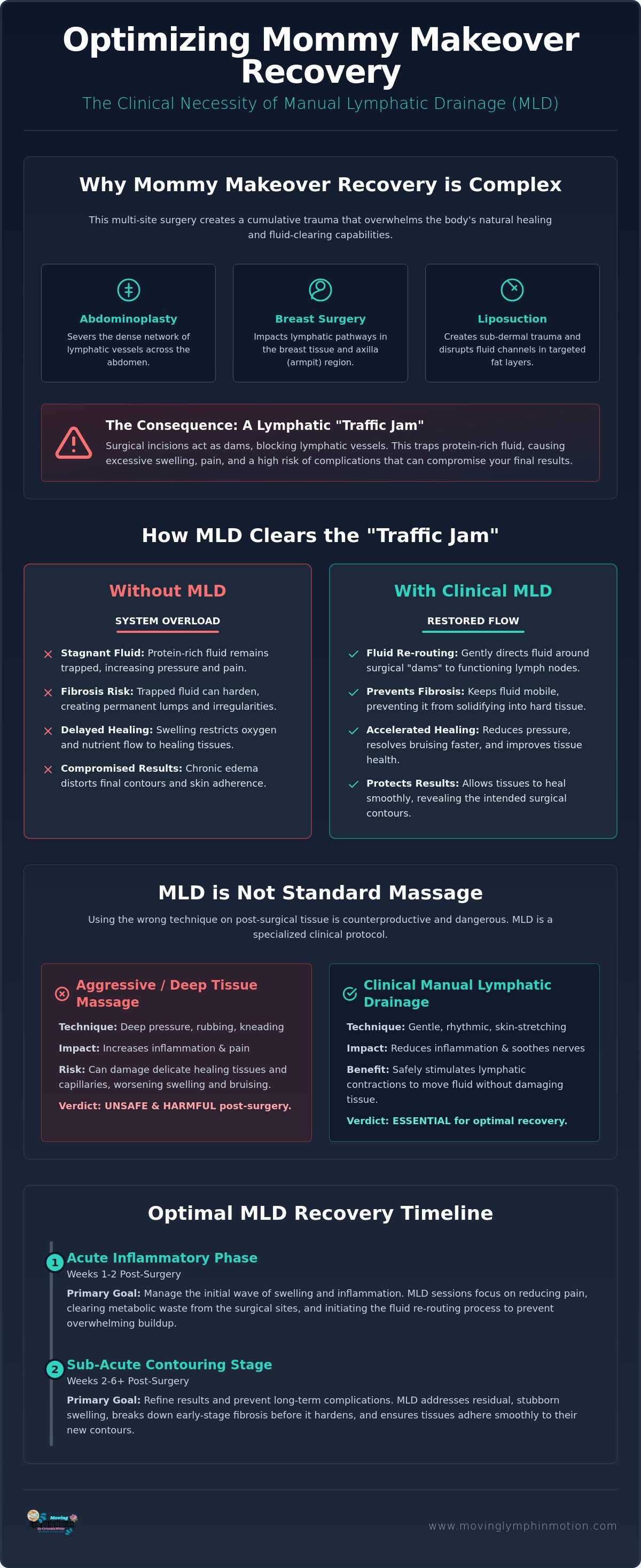
Surgical incisions do more than mark the boundary of a procedure; they act as physical dams that sever the delicate network of lymphatic vessels. These vessels are responsible for transporting metabolic waste and protein-rich fluid back into the circulatory system. When these pathways are cut during a tummy tuck or breast lift, fluid becomes trapped in the surrounding tissues. Utilizing specialized lymphatic drainage after mommy makeover Austin allows a therapist to manually re-route this stagnant fluid toward functioning lymph nodes in the axilla and groin. This process bypasses the surgical "dams" and facilitates a more efficient inflammatory resolution.
Why a Mommy Makeover is Different from Single-Site Surgery
A Mommy Makeover is distinct because it affects the cumulative lymphatic watershed of the entire torso. In a single-site surgery, the body can often compensate by shifting fluid to adjacent, undisturbed areas. However, when the breasts and abdomen are addressed simultaneously, the total inflammatory load increases exponentially. This dual trauma often results in unique swelling patterns, particularly in the flanks and lower abdominal regions, where fluid tends to pool due to gravity and the lack of viable exit routes. Addressing these multiple zones requires a comprehensive understanding of the body's redirected fluid dynamics to ensure no area is left under excessive pressure.
The Science of Post-Operative Edema
It is vital to distinguish between a standard inflammatory response and chronic post-operative edema. While some swelling is a necessary part of the initial healing cascade, stagnant, protein-rich fluid that remains in the tissue for too long can become problematic. Manual lymphatic drainage stimulates the contraction of lymphangions, which are the functional muscular units of the lymph vessels, to move fluid through the system. If this fluid is not cleared, it can begin to "gel" within the tissue spaces, eventually leading to hardening or fibrosis. By prioritizing lymphatic drainage after mommy makeover Austin, you ensure that this fluid remains mobile and is processed by the body before it can transition into permanent, irregular tissue changes.
Anatomical Impact: How MLD Protects Your Aesthetic Results
The success of a Mommy Makeover is ultimately measured by the finality of the contour, yet post-operative edema can distort these results if left unmanaged. Clinical lymphatic drainage after mommy makeover Austin serves as a protective mechanism for your aesthetic investment. When liposuction is performed, a space is created between the skin and the underlying muscle. Stagnant fluid in this space prevents proper adherence, potentially leading to skin laxity or surface irregularities. Similarly, after an abdominoplasty, localized swelling can create a "shelf" effect above the incision line. MLD facilitates the removal of this fluid, allowing the tissues to settle into their intended positions without the distortion of chronic inflammation.
Beyond contouring, MLD plays a vital role in the resolution of bruising and hematomas. By accelerating the transport of broken red blood cells and cellular debris through the lymphatic pathways, we reduce the duration of visible discoloration. This isn't just a cosmetic benefit; it indicates a reduction in internal tissue pressure. Lowering this pressure is essential for maintaining tissue integrity and ensuring that the newly sculpted areas heal with the smoothness and symmetry your surgeon intended.
Preventing Fibrosis and Seromas
Fibrosis occurs when protein-rich fluid remains stagnant in the tissue, eventually triggering a chronic inflammatory response that replaces fluid with dense, non-compliant connective tissue. This is the biological reality behind the "hard lumps" many patients experience during recovery. By understanding how the lymphatic system regulates interstitial pressure, we can intervene before this transition from fluid to solid becomes permanent. For a deeper look at these mechanisms, see our Post-Op Lymphatic Drainage in Austin: A Clinical Guide to Surgical Recovery. Early intervention also reduces the risk of seromas, which are pockets of sterile fluid, by ensuring the body's natural drainage capacity isn't overwhelmed by the post-surgical load.
Optimizing Incision Healing
Managing the inflammatory load around incision sites is critical for minimizing scar width and tension. When the tissue surrounding a breast or abdominal incision is engorged with fluid, it puts mechanical stress on the sutures. MLD improves capillary-level circulation, delivering oxygenated blood to the wound edges while removing metabolic waste. In breast surgery, this reduction in pressure can also assist in the restoration of nipple sensitivity by alleviating compression on local nerve endings. To ensure your recovery follows this precise physiological path, you can schedule a clinical assessment to begin your personalized recovery protocol. Taking these steps early in the sub-acute phase helps secure a smooth, contoured outcome that reflects the skill of your surgical team.
Clinical MLD vs. Aggressive Massage: A Critical Distinction
Choosing the right provider for lymphatic drainage after mommy makeover Austin requires a clear understanding of what clinical MLD actually entails. A common misconception in the post-surgical community is that "drainage" must be a forceful or even painful process to be effective. Aggressive incisional drainage, the practice of forcefully squeezing fluid from surgical holes, is not a recognized clinical standard of manual lymphatic drainage. This approach can be traumatic to the already compromised tissues and risks damaging the delicate initial lymph vessels that are attempting to regenerate. True MLD is a sophisticated, skin-stretching technique that respects the fragility of the post-operative environment.
The lymphatic system is predominantly superficial, with many of its primary collectors located just beneath the skin. Applying deep tissue pressure or aggressive massage techniques actually collapses these vessels, rendering them unable to transport fluid. Instead of resolving edema, deep pressure can trigger a secondary inflammatory response, increasing the fluid load and potentially leading to tissue trauma. A clinical specialist understands that the goal is to stimulate the intrinsic rhythm of the lymph vessels without causing further injury to the surgical site.
The Vodder Method and Clinical Standards
The Vodder technique remains the gold standard for medical MLD. It utilizes precise, rhythmic movements designed to stretch the skin and encourage the opening of lymphatic junctions. In the context of a recovery journey, the term "massage" is often a misnomer; MLD is a specialized manual therapy that follows specific anatomical pathways to bypass areas of surgical trauma. Identifying a provider who has mastered these clinical standards is vital for your safety. For a detailed breakdown of what to look for in a provider, consult our guide on Manual Lymph Drainage Therapists: A Clinical Guide to Choosing a Specialist.
Signs of Improper Post-Op Care
It is essential to monitor your body’s response to any manual therapy following a Mommy Makeover. If a session results in increased pain, localized redness, or a sensation of heat, the technique used was likely too invasive for your current stage of healing. Improper techniques don't just cause temporary discomfort; they can lead to long-term lymphatic insufficiency or exacerbate the development of fibrosis. A qualified therapist should demonstrate a deep understanding of surgical protocols and adjust their approach based on the integrity of your incisions and the specific requirements of your recovery phase. Prioritizing clinical precision over aggressive tactics ensures that your lymphatic drainage after mommy makeover Austin supports, rather than hinders, your aesthetic goals.
The Recovery Timeline: When to Schedule Your Sessions in Austin
The recovery trajectory after a multi-site procedure is a structured biological process that requires precise timing. Scheduling lymphatic drainage after mommy makeover Austin should be viewed as a sequential protocol rather than a singular event. The initial Acute Phase, spanning the first 14 days, is characterized by a significant inflammatory surge. During this window, the primary goal is to mitigate the accumulation of interstitial fluid and support the body’s early wound-healing cascade. We often coordinate closely with your Austin based plastic surgeon to ensure that manual therapy begins at the optimal moment, typically once the initial surgical stability is established.
As you move into the Sub-Acute Phase, from weeks three through six, the focus shifts toward contouring and the management of developing scar tissue. This is a critical period where the risk of fibrosis is highest. A maintenance phase follows, which addresses any residual localized swelling and ensures long-term tissue health. By following this clinical timeline, you provide your body with the consistent support needed to resolve inflammation before it can impact your final aesthetic results.
Your First Session: What to Expect
The clinical intake process for your first session involves a meticulous assessment of your current physical state. We examine the status of your incisions, the placement of any surgical drains, and the fit of your compression garments. Understanding how your faja or compression foam interacts with your tissues is essential for a successful outcome. Hydration is a physiological requirement for effective drainage; without adequate water intake, the lymph fluid remains too viscous to move efficiently through the collectors. You can book your initial recovery assessment here to begin this structured process.
Frequency and Duration of Care
Most patients benefit from a protocol of two to three sessions per week during the first 21 days of recovery. This frequency ensures that the lymphatic system is consistently stimulated while the inflammatory load is at its peak. We adjust this schedule based on your individual tissue response and the rate at which your swelling subsides. Recovery is a non-linear process that requires expert assessment at every stage to determine the appropriate intensity and frequency of care. As your tissues soften and the fluid load decreases, the duration between sessions naturally extends, transitioning you toward a state of full resolution and long-term tissue stability.
Specialized MLD in Austin: The Best Lymphatic Specialist Protocol
Criselda White at Best Lymphatic Specialist applies a protocol rooted in clinical education and physiological precision. Unlike general wellness centers that offer recreational services, our practice focuses on the anatomical realities of post-operative cosmetic recovery. As an educator who offers professional Manual Lymphatic Drainage certification courses, Criselda ensures that every session adheres to the highest medical standards. This educational background provides a level of clinical oversight that is rare in the traditional spa environment. We utilize precise, directional strokes that follow the redirected lymphatic pathways established after the surgical disruption of your abdominal and breast tissue. This level of clinical precision is what distinguishes our protocol as a serious therapeutic entity. Patients in Austin, Cedar Park, Leander, and Round Rock benefit from this specialized expertise, receiving care that is tailored to the specific surgical techniques used by their plastic surgeons. Integrating specialized lymphatic drainage after mommy makeover Austin into your broader recovery plan ensures a seamless transition from the operating room to your daily life.
Beyond Drainage: Holistic Recovery Support
Holistic recovery support involves more than just fluid management. It requires an understanding of how the skin, fascia, and muscular layers interact during the remodelling phase. Our "Build and Sculpt" service provides a clinical pathway for long-term aesthetic enhancement once the initial inflammatory phase has concluded. This approach focuses on refining the final silhouette and maintaining tissue suppleness. For a comprehensive overview of this methodology, read our Build and Sculpt Body Treatment: A Clinical Guide to Manual Contouring. We recognize that the post-operative period involves a complex emotional and physical transition. Providing a structured, evidence-based environment helps alleviate the anxiety associated with tissue changes and contour irregularities. Our goal is to empower you through specialized knowledge, ensuring you feel supported at every stage of your healing journey.
Booking Your Clinical Recovery
Timing is everything in the sub-acute recovery phase. The initial inflammatory surge requires immediate attention to prevent the development of persistent edema or early-stage fibrosis. Because the critical window for managing post-surgical fluid is narrow, we strongly recommend pre-booking your sessions before your surgical date. This ensures you have a dedicated recovery specialist available during your first 14 days post-op. Securing your therapist early is a vital step in your comprehensive surgical plan and acts as "result insurance" for your transformation. You can schedule your post-op recovery sessions at Best Lymphatic Specialist to ensure your body receives the specialized attention it requires for a smooth, predictable outcome. By choosing a provider who also trains other practitioners, you're opting for a higher standard of clinical care in the Central Texas area.
Secure Your Aesthetic Investment Through Clinical Care
A Mommy Makeover is a significant physiological undertaking that requires a recovery plan as precise as the surgery itself. By prioritizing professional lymphatic drainage after mommy makeover Austin, you move beyond basic comfort and address the essential fluid dynamics required for optimal tissue adherence. We have detailed how clinical MLD prevents the transition from acute edema to permanent fibrosis, ensuring your skin settles smoothly over your new contours. It's vital to remember that true manual lymphatic drainage is a gentle, skin-stretching technique, distinctly different from the aggressive, traumatic methods often found in non-clinical settings.
At Best Lymphatic Specialist, your recovery is guided by Criselda White, a specialized MLD educator and practitioner who utilizes evidence-based protocols to support your healing. Our practice provides dedicated care to the communities of Austin, Cedar Park, Leander, and Round Rock, focusing on securing both your tissue health and your aesthetic results. Don't leave your surgical outcome to chance. You can secure your clinical recovery sessions at Best Lymphatic Specialist to ensure your body has the expert support it needs to thrive. Your journey toward a confident, fully recovered self is a collaborative effort between surgical skill and specialized manual therapy.
Frequently Asked Questions
How soon after my Mommy Makeover can I start lymphatic drainage?
Most patients begin their protocol between three and seven days after surgery, provided they have received clearance from their plastic surgeon. Initiating care during this early window is essential for managing the acute inflammatory peak and preventing the stagnation of interstitial fluid. Starting lymphatic drainage after mommy makeover Austin early in the recovery process helps facilitate the transport of metabolic waste before it can contribute to tissue hardening.
Will lymphatic drainage hurt my tummy tuck or breast incisions?
Clinical Manual Lymphatic Drainage should never be painful or cause distress to your incision sites. Because the technique utilizes extremely light, rhythmic skin-stretching rather than deep tissue pressure, it does not compromise the integrity of your sutures. In fact, by removing the fluid that causes localized tension, MLD often reduces the discomfort associated with tight, engorged tissues around the abdominal and breast areas.
Is MLD covered by insurance for post-operative cosmetic recovery?
Health insurance providers, including Medicare, typically do not cover lymphatic drainage when it is performed by a licensed massage therapist for cosmetic recovery. While MLD is a clinical necessity for optimal healing, most insurance companies categorize it as part of an elective surgical process. We recommend checking with your specific provider, though you should expect these specialized sessions to be an out-of-pocket investment in your aesthetic results.
How many sessions of lymphatic drainage do I really need after a Mommy Makeover?
A standard clinical protocol typically involves 10 to 15 sessions to achieve full resolution of post-surgical edema. Most patients find that two to three sessions per week during the first month provide the most significant benefit in preventing fibrosis and ensuring smooth skin adherence. Your specific frequency may be adjusted based on the complexity of your procedures and how your lymphatic system responds to the initial treatments.
Can I perform lymphatic drainage on myself at home?
Self-care techniques are not a substitute for professional MLD during the acute phase of surgical recovery. The disruption of lymphatic pathways caused by a tummy tuck requires a specialist to manually re-route fluid toward functioning lymph nodes. Attempting to perform these movements yourself without an advanced understanding of your specific surgical "dams" risks moving fluid into already congested areas, which can exacerbate swelling rather than resolving it.
What is the difference between MLD and a regular Swedish massage?
Swedish massage is designed to manipulate muscle tissue using deep pressure and oils, which can actually increase inflammation and damage fragile vessels after surgery. In contrast, MLD is a specialized manual therapy that targets the lymphatic system using precise, oil-free movements to stimulate lymphangion contraction. Utilizing a regular massage instead of specialized lymphatic drainage after mommy makeover Austin can result in increased pain and prolonged recovery times.
Why is my swelling worse at night, and can MLD help?
Swelling often intensifies in the evening due to the cumulative effects of gravity and physical activity throughout the day. When your lymphatic system is compromised by surgery, it struggles to keep up with the fluid load produced by daily movement. MLD assists the body in processing this stagnant fluid more efficiently, which reduces the nighttime "pooling" effect and helps you maintain a more consistent contour throughout the day.
What should I wear to my post-op lymphatic drainage appointment?
You should wear loose, comfortable clothing that is easy to remove and put back on after your session. Most patients arrive in their professional compression garments or fajas, as these are a critical part of the recovery process. Your therapist will guide you on the temporary removal of these garments during the session and can often assist with re-application to ensure your compression is optimized for fluid management.