
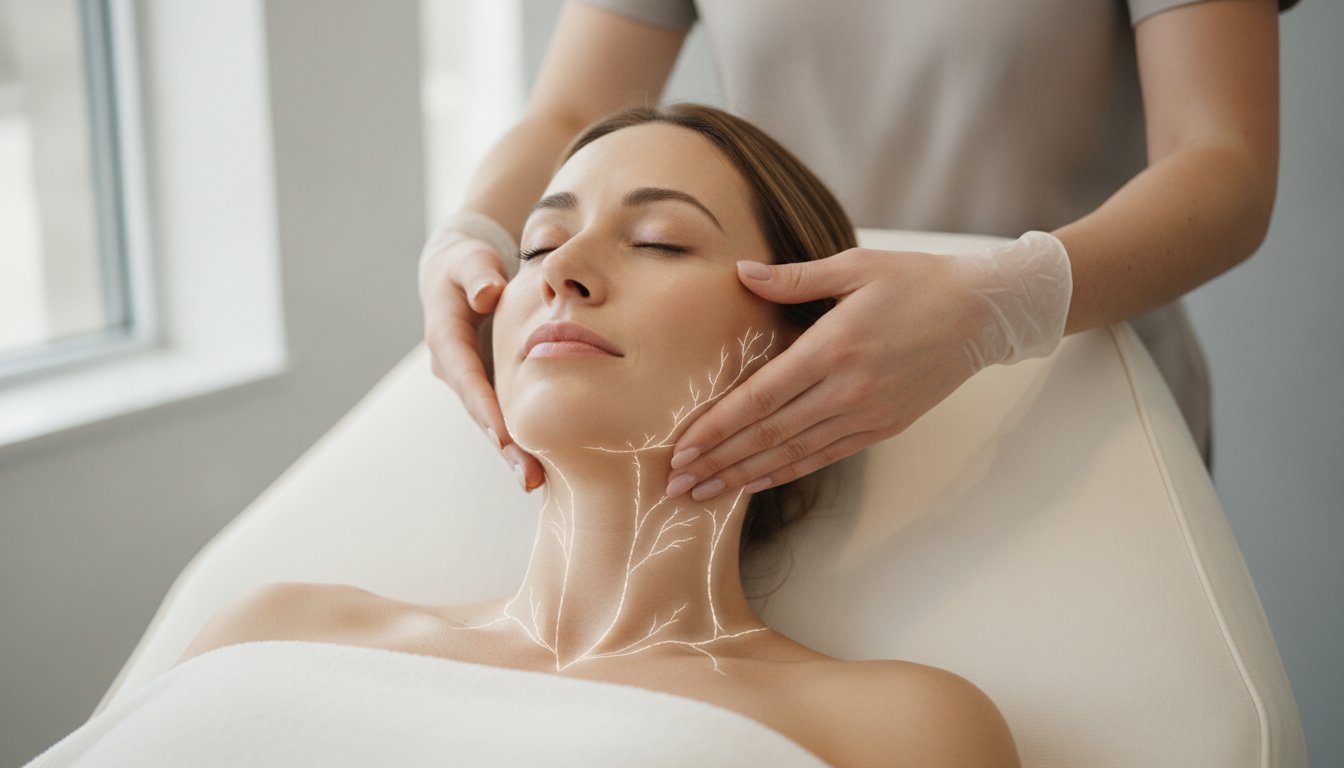
What if the loss of your jawline's definition isn't solely a consequence of skin elasticity, but a direct result of compromised fluid transport within the interstitial tissues? It's a common frustration to wake up with persistent morning puffiness or a sense of facial heaviness that doesn't respond to traditional topical treatments. You've likely noticed how congestion can obscure your natural bone structure, making the face appear tired or prematurely aged. Utilizing lymphatic drainage for facial rejuvenation addresses these concerns by prioritizing physiological health over temporary cosmetic fixes.
We understand that navigating the complexities of physical recovery and aging requires a specialist's perspective rather than a general wellness approach. This article provides a clinical guide to the anatomical science of fluid dynamics and manual sculpting techniques. You'll discover how professional intervention can effectively reduce chronic inflammation, accelerate healing after minor procedures, and restore the defined contours of the cheeks and jaw. We will examine the specific biological mechanisms that transform stagnant fluid into a vibrant, lifted aesthetic through methodical, evidence-based care.
Key Takeaways
- Understand how specialized manual techniques target both superficial and deep lymphatic vessels to facilitate the clearance of metabolic waste and interstitial fluid.
- Learn why fluid stagnation contributes to the "heavy face" phenomenon, where chronic edema accelerates the degradation of collagen and elastin fibers over time.
- Distinguish how lymphatic drainage for facial rejuvenation differs from traditional facials by focusing on dermal vessel integrity rather than superficial epidermal treatments.
- Explore the therapeutic applications of drainage for managing chronic sinus congestion, seasonal allergies, and inflammatory responses following cosmetic surgery.
- Discover the clinical benefits of integrating intraoral techniques to restore structural definition and achieve a naturally sculpted, physiological lift.
What is Lymphatic Drainage for Facial Rejuvenation?
Facial lymphatic drainage is a specialized manual technique that targets the superficial and deep lymphatic vessels of the head and neck. Unlike general wellness treatments, this methodology focuses on the intricate network of vessels responsible for fluid homeostasis. By utilizing precise, rhythmic movements, Manual lymphatic drainage (MLD) facilitates the transport of lymph through the initial lymphatics located just beneath the epidermis. This clinical approach to lymphatic drainage for facial rejuvenation is essential for individuals experiencing chronic puffiness or those recovering from cosmetic procedures.
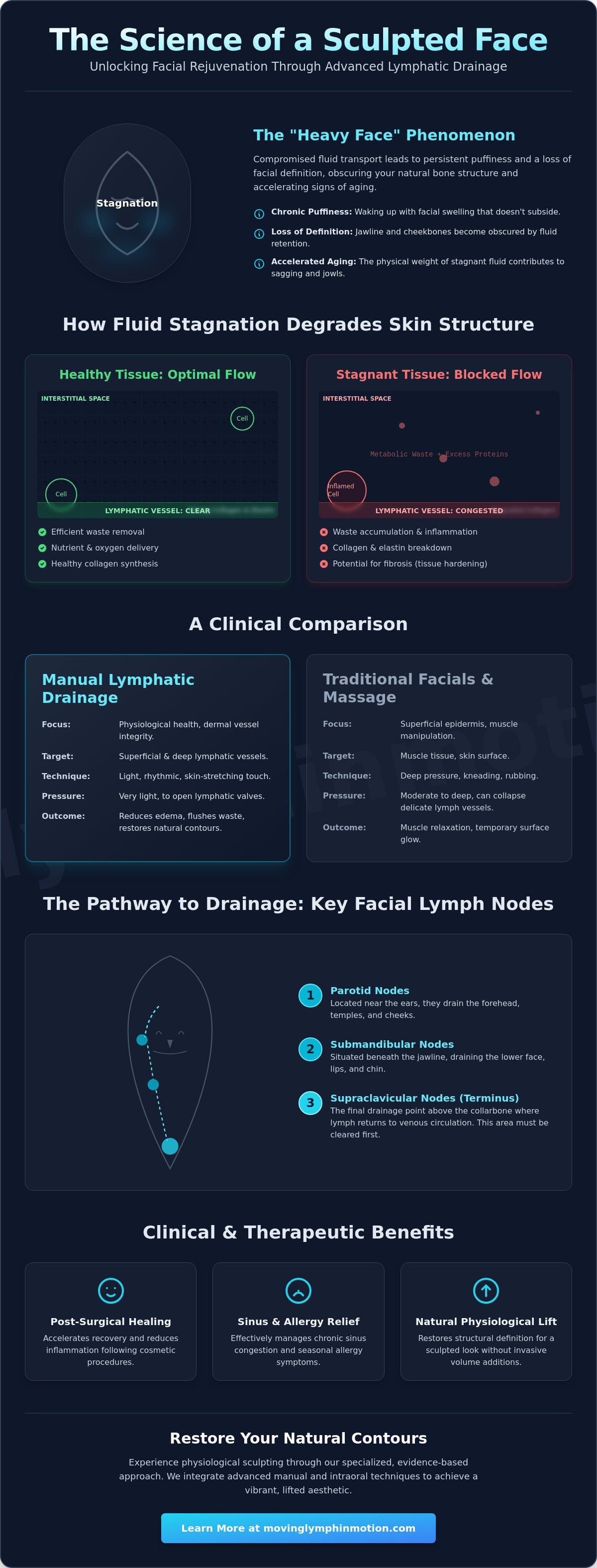
The primary therapeutic goal is the mobilization of interstitial fluid to reduce edema and metabolic waste. When the lymphatic system is compromised, fluid accumulates in the extracellular space, leading to visible swelling and a loss of structural definition. Professional MLD stimulates the intrinsic contractions of the lymphangions, which are the functional units of the lymphatic vessels. This process effectively flushes out cellular debris and excess proteins that can contribute to localized inflammation and tissue heaviness.
It's vital to distinguish this technique from traditional Swedish or deep tissue massage. While standard massage often employs deep pressure to manipulate muscle tissue, such force can actually collapse the delicate lymphatic collectors. Effective lymphatic drainage for facial rejuvenation requires a light, skin-stretching touch. This specific pressure ensures that the lymphatic valves open to accept fluid without obstructing the very channels intended for drainage. This methodology introduces the concept of physiological sculpting. By removing the physical weight of stagnant fluid, we restore the face's natural anatomical contours and reveal the underlying bone structure without the need for invasive volume additions.
The Role of the Lymphatic System in Skin Health
The lymphatic system acts as the primary filtration system for the skin's extracellular matrix. It's responsible for removing large molecular waste that the venous system cannot transport. If this system becomes sluggish, the result is stagnant skin. This state is characterized by chronic congestion, dullness, and a lack of vitality. Optimized lymph flow is directly connected to nutrient delivery; as waste is removed, the dermis can better receive the oxygen and minerals necessary for cellular repair and collagen synthesis.
Key Facial Lymph Nodes and Their Functions
Successful drainage relies on understanding the "drainage basins" of the face. The parotid nodes near the ears, the submandibular nodes beneath the jawline, and the supraclavicular nodes above the collarbone serve as these critical stations. A professional practitioner always clears the pathway at these nodes first to ensure there's no "traffic jam" before working on the facial tissue itself. The terminus represents the final drainage point near the clavicle where lymph returns to the venous circulation.
The Anatomy of Aging: How Fluid Stagnation Affects Facial Contours
Aging is often viewed strictly through the lens of volume loss or skin laxity. However, fluid retention, or edema, plays a significant role in distorting facial features and accelerating the appearance of maturity. When the lymphatic system becomes sluggish, interstitial fluid accumulates in the mid-face and along the jawline. This adds physical weight to the soft tissues. Over time, this weight exacerbates the appearance of sagging and jowls, creating a downward pull that topical creams cannot address. Chronic inflammation associated with this stagnation releases proteases, which are enzymes that break down collagen and elastin fibers. Utilizing the cosmetic and medical benefits of manual drainage can mitigate these structural changes before they become permanent.
Stagnant fluid isn't just heavy; it's chemically reactive. If left unmanaged, chronic edema can lead to fibrosis, a hardening of the connective tissue that makes the face look stiff and less resilient. Regular lymphatic drainage for facial rejuvenation helps prevent this pathological thickening by maintaining a fluid environment. By clearing the "swamp" of the extracellular matrix, we support the skin's natural repair mechanisms. This optimization of the local environment allows for faster cellular turnover and more efficient nutrient exchange. If you're noticing a persistent loss of definition, professional facial sculpting can help identify if fluid stagnation is the primary culprit behind your aesthetic concerns.
Fluid Dynamics and the 'Lifted' Appearance
The science of tissue decompression is the foundation of a "lifted" look. Removing excess fluid allows the skin to sit closer to the underlying bone structure, revealing the natural architecture of the face. This process can sharpen the jawline and define the zygomatic bone, often referred to as the cheekbone, without the need for synthetic fillers. Many individuals mistake chronic morning puffiness for permanent fat deposits or irreversible aging. In reality, it's often transient fluid that has become trapped due to poor circulation and gravity.
Metabolic Waste and Skin Vitality
Skin cells produce metabolic waste as a byproduct of daily function, including CO2, fragmented proteins, and cellular debris. When the lymphatic system is compromised, these toxins linger in the tissue. This buildup causes vascular congestion and persistent redness or a "muddy" complexion. Clearing this debris through lymphatic drainage for facial rejuvenation improves microcirculation and overall skin tone. The resulting "glow" is a direct consequence of improved oxygenation and a clean extracellular environment rather than a mere surface-level effect.
Manual Drainage vs. Traditional Facials: A Clinical Comparison
Traditional aesthetic facials serve a valuable purpose in skin maintenance, primarily by targeting the epidermis through exfoliation and topical hydration. However, lymphatic drainage for facial rejuvenation operates on a fundamentally different physiological plane. While a standard facial might leave the skin feeling soft and temporarily plumped, it does not address the underlying fluid dynamics that dictate facial structure. Professional Manual Lymphatic Drainage (MLD) focuses on the dermis and the intricate network of vessels described in the Anatomy of the lymphatic system. This distinction is critical for those seeking structural changes rather than surface-level improvements.
Why Pressure Matters: The Science of the Light Touch
The primary misconception in facial therapy is that increased pressure yields superior results. In reality, the initial lymphatics are exceptionally delicate, tethered to the surrounding connective tissue by fine anchoring filaments. When a practitioner applies deep tissue pressure, these vessels collapse; this effectively halts the drainage process and can potentially worsen localized edema. Rejuvenation through lymphatic work requires a calibrated, light touch that stretches the skin to open the lymphatic valves. This approach differs significantly from buccal massage Austin, which purposefully targets deeper musculature and intraoral tissues to release tension alongside lymphatic stimulation.
Clinical Standards in Lymphatic Therapy
Achieving consistent results requires adherence to established clinical protocols, such as the Vodder or Leduc methods. These techniques involve specific sequences and directions of flow that respect the body's natural drainage pathways. A certified lymphatic therapist undergoes hundreds of hours of specialized training to master these nuances, a level of education that far exceeds standard esthetician licensing. This expertise is especially vital when navigating post-surgical rejuvenation. In such cases, a sterile, clinical environment and a deep understanding of tissue healing phases are mandatory to ensure patient safety and prevent complications.
The visible outcomes of lymphatic drainage for facial rejuvenation are often immediate and structural. Unlike the temporary hydration provided by a traditional facial, clinical MLD physically reduces the fluid volume within the tissue. This leads to a measurable reduction in puffiness and a more defined jawline that can last significantly longer than surface-level treatments. By prioritizing the health of the lymphatic vessels, we address the root cause of facial heaviness rather than simply masking the symptoms.
Practical Benefits: From Sinus Relief to Post-Surgical Healing
While many seek lymphatic drainage for facial rejuvenation primarily for its aesthetic outcomes, the clinical utility of this therapy extends into functional recovery and symptomatic relief. It serves as a vital bridge between physiological health and visual refinement. By optimizing the transport of lymph, we address issues ranging from inflammatory responses to environmental irritants to the complex healing phases following invasive surgery. This methodical approach ensures that the face isn't just aesthetically pleasing, but physiologically balanced.
Managing Sinus Congestion and Facial Pressure
In Central Texas, environmental stressors like the "Austin Allergy" season, specifically Cedar Fever, create chronic inflammatory states. These conditions manifest as significant periorbital puffiness and a persistent sense of facial heaviness. Manual drainage facilitates the clearance of the sinus cavities by stimulating the deep lymphatic pathways that drain the mucosal linings. This non-pharmacological approach reduces the pressure exerted by stagnant fluid in the maxillary and frontal sinuses. Unlike systemic decongestants that may cause unwanted side effects, manual intervention physically removes inflammatory mediators from the tissue. This results in a clearer complexion and immediate relief from congestion-related tension.
Post-Procedural Rejuvenation: Fillers and Rhinoplasty
Cosmetic injectables, such as dermal fillers and neurotoxins, often trigger localized edema as the body responds to the injection trauma. Utilizing lymphatic drainage for facial rejuvenation helps settle these fillers more quickly by managing the initial swelling that can lead to an "overfilled" or distorted appearance. For more intensive interventions, such as lymphatic drainage after rhinoplasty Austin, early manual intervention is crucial. It prevents the formation of post-surgical fibrosis, which is the development of thick, disorganized scar tissue that can compromise the final surgical result.
For patients navigating major recovery milestones, integrating post-op lymphatic drainage Austin into the care plan ensures that the healing process remains methodical and safe. This clinical oversight allows for the monitoring of tissue states and ensures that fluid dynamics are restored as efficiently as possible. If you're currently managing recovery from a recent procedure or struggling with chronic congestion, you can book a clinical assessment to develop a personalized drainage protocol tailored to your specific physiological needs.
Professional Facial Sculpting: The Lymph in Motion Approach
The clinical philosophy of Criselda White centers on the precise intersection of anatomical expertise and aesthetic refinement. At Lymph in Motion, we view the face as a complex system of fluid dynamics and muscular tension rather than a mere surface to be treated. Our methodology moves beyond the standardized protocols of traditional spa environments to offer a specialized alternative for those seeking physiological results. By integrating facial lymphatic drainage Austin with advanced intraoral techniques, we address the structural foundations of facial aging. This "Build and Sculpt" approach ensures long-term tissue health by maintaining the integrity of the extracellular matrix and preventing the fluid stagnation discussed in previous sections.
The Synergy of MLD and Buccal Massage
A distinctive element of our practice is the dual-layer approach that combines Manual Lymphatic Drainage with buccal massage. While MLD focuses on the dermal and subdermal fluid transport, intraoral work allows for the direct manipulation of the masseter and buccinator muscles from within the oral cavity. This technique is highly effective for releasing deep-seated tension that contributes to a "heavy" lower face and mid-face sagging. As the buccal massage releases muscular restrictions, the lymphatic drainage component immediately clears the resulting fluid and metabolic waste. This synergy provides significant TMJ relief and results in a more defined, sculpted appearance that topical treatments cannot replicate.
What to Expect During Your Clinical Session
Every journey begins with a professional assessment to evaluate your specific tissue state and drainage patterns. We provide these specialized services to residents across Austin, Cedar Park, and the surrounding communities. During the treatment, the sensation is deeply relaxing yet physiologically active. You'll feel the rhythmic, light-touch stretching of the skin as we engage the lymphatic system. It's a methodical process that prioritizes safety and anatomical accuracy. To support the drainage process after your session, we provide guidance on proper hydration and gentle movement, ensuring the mobilized fluid successfully exits the terminus and returns to the venous system.
Booking Your Rejuvenation Journey
It's time to transition from temporary pampering to measurable clinical results. Our practice serves individuals who prioritize evidence-based care and anatomical precision in their recovery and anti-aging efforts. We offer these advanced sessions for residents in Liberty Hill, Round Rock, and Georgetown who are looking for a dedicated clinical partner. Prioritizing lymphatic drainage for facial rejuvenation is an investment in the underlying health of your skin and structural contours. To begin your personalized protocol, schedule a clinical consultation for facial rejuvenation and experience the difference of physiological sculpting.
Restoring Structural Integrity through Physiological Sculpting
True facial rejuvenation requires a deep understanding of the body's internal filtration system. By addressing fluid stagnation and metabolic waste at the dermal level, we can restore structural definition that topical products cannot reach. This clinical approach to lymphatic drainage for facial rejuvenation ensures that your skin sits closer to the underlying bone structure, creating a naturally lifted appearance. Whether you are managing the inflammatory effects of Central Texas allergies or navigating the recovery phases of a recent cosmetic procedure, methodical manual intervention is the key to long-term tissue health. For those looking to further enhance their aesthetic profile with advanced care, you can explore Laser Hair Removal at Radiant Skin House to complement your overall skin health journey.
As a Certified Lymphatic Therapist (CLT), I specialize in both post-operative and aesthetic recovery, providing a level of anatomical expertise that goes beyond traditional spa services. We proudly serve residents in Austin, Cedar Park, and Georgetown, offering a dedicated clinical partnership for your healing journey. It's time to prioritize the physiological health of your tissues over temporary cosmetic fixes. Understanding the mechanics of your recovery is the first step toward lasting results.
Book Your Clinical Facial Sculpting Session in Austin and take the first step toward a more defined, resilient complexion. Your path to restoration is grounded in science and guided by specialized expertise. We look forward to supporting your transition to a healthier, more vibrant aesthetic.
Frequently Asked Questions
Is lymphatic drainage for facial rejuvenation painful?
Lymphatic drainage for facial rejuvenation is not painful; it utilizes a very light, rhythmic touch that is often deeply relaxing. Because the initial lymphatic vessels are located just beneath the skin, excessive pressure would actually collapse them and prevent drainage. This clinical technique is designed to be gentle to ensure the anchoring filaments of the vessels are engaged without causing tissue trauma or discomfort.
How many sessions of facial lymphatic drainage do I need to see results?
Most patients observe an immediate reduction in facial puffiness and improved skin clarity after a single clinical session. For long-term physiological sculpting and sustainable tissue health, a series of four to six sessions is typically recommended. The specific frequency depends on your unique goals, such as post-surgical recovery or managing chronic inflammatory states related to seasonal allergies.
Can I do lymphatic drainage on my face every day at home?
You can perform gentle maintenance at home using light strokes, but it doesn't replace the efficacy of professional manual lymphatic drainage. A specialist understands the complex anatomy of the head and neck drainage basins and the precise direction of flow required to clear metabolic waste effectively. Professional sessions address deeper congestion and provide structural results that home tools, like rollers or gua sha, cannot achieve on their own.
What is the difference between a lymphatic facial and a regular facial?
A regular facial primarily targets the epidermis through exfoliation, extraction, and topical hydration. In contrast, a lymphatic facial focuses on the dermis and the underlying fluid transport system. The goal of lymphatic work is to physically remove stagnant interstitial fluid and reduce edema, which restores natural facial contours rather than just improving surface texture or moisture levels.
Will lymphatic drainage help with acne or skin breakouts?
Lymphatic drainage can significantly improve skin clarity by clearing the metabolic waste and cellular debris that contribute to congestion. By optimizing the filtration process within the extracellular matrix, we reduce the inflammatory load on the skin. This creates a healthier environment that can lead to fewer breakouts and faster healing of existing lesions, though it's best used as a supportive therapy alongside a clinical skincare regimen.
How long do the sculpting results of a lymphatic massage last?
The immediate "lifted" effect from fluid removal typically lasts for several days to a week. However, the cumulative benefits of regular sessions include improved collagen integrity and reduced chronic inflammation, which lead to more persistent structural changes. Maintaining a healthy lifestyle, including proper hydration and movement, helps sustain these results between professional appointments.
Is it safe to have lymphatic drainage after getting Botox or fillers?
It's generally safe, but you must wait a specific period after injections to ensure the product has settled. For neurotoxins like Botox, we recommend waiting at least 24 to 48 hours. For dermal fillers, a wait of two weeks is standard to prevent the accidental displacement of the material. Once this window has passed, MLD is highly effective at reducing any lingering post-injection swelling.
Can lymphatic drainage help with chronic sinus issues in Austin?
Manual lymphatic drainage is an effective non-pharmacological solution for the sinus pressure and periorbital puffiness common during Austin's Cedar Fever season. By clearing the deep lymphatic pathways of the head and neck, we facilitate the drainage of congested sinus cavities. This physical mobilization of fluid provides significant relief from the facial heaviness and tension associated with chronic environmental irritants in Central Texas.