What if the primary barrier between your current physique and peak muscular visibility isn't another hour of metabolic conditioning, but rather the stagnant fluid trapped within your own tissues? It's a common frustration for high-performance individuals who maintain low body fat percentages yet struggle with persistent swelling or limbs that feel heavy and sluggish long after a session ends. You've likely experienced the plateau where traditional training no longer yields the sculpted look you've earned, often because metabolic waste and interstitial fluid are masking your underlying musculature.
This article explores how manual body contouring for athletic performance utilizes a clinical approach to tissue refinement, optimizing fluid dynamics to reveal sharp muscular detail and accelerate systemic recovery. We'll examine the physiological mechanics of tissue stagnation, the critical role of the lymphatic system in athletic aesthetics, and how specialized manual therapy serves as a sophisticated, non-surgical bridge to your best physical form. By prioritizing the health of your internal fluid environment, you can finally resolve the inflammation that prevents a truly refined athletic aesthetic.
Key Takeaways
- Learn why clinical fluid management is essential for resolving tissue stagnation that obscures muscular detail and definition.
- Understand how manual body contouring for athletic performance targets interstitial edema to enhance physical tone and visibility.
- Discover the clinical advantages of manual tissue manipulation over machine-based protocols for addressing specific areas of tissue density.
- Explore the physiological mechanisms that speed up metabolic waste removal and reduce systemic inflammation during high-intensity training cycles.
- Identify why a specialist's background in surgical recovery and lymphatic health is critical for achieving safe, long-term body refinement.
What is Manual Body Contouring for Athletic Performance?
Manual body contouring for athletic performance is a clinical discipline focused on the strategic manipulation of soft tissue and the rigorous management of biological fluid systems. At Best Lymphatic Specialist, we distinguish this methodology from recreational "fluff" spa massages by prioritizing physiological outcomes over simple relaxation. This medical-grade approach addresses the specific density and congestion of high-performance tissues, ensuring that the internal environment supports peak physical condition. It's a proactive therapy that treats the body as a dynamic system where fluid efficiency directly impacts aesthetic clarity.
While this article focuses on the Austin region, other clinical facilities such as Organic Skin & Body Med Spa also emphasize this medical-grade approach to body refinement and tissue health.
The process primarily centers on the lymphatic system's role in maintaining a lean, defined silhouette. When metabolic byproducts and excess interstitial fluid accumulate, they create a physiological "fog" that obscures the natural contours of the body. By applying Manual lymphatic drainage, a clinical therapist can clear this congestion and guide stagnant fluid toward functional drainage pathways. This clearance ensures that the underlying musculature is no longer masked by systemic debris or localized edema, allowing for greater anatomical precision.
The Shift Toward Athletic Aesthetics
Modern performance goals have evolved from purely chasing muscle mass to the pursuit of "athletic aesthetics." This concept prioritizes visible muscle tone, sharp separation between muscle groups, and clean anatomical lines. While traditional training builds the foundation, targeted manual work acts as the final stage of refinement. It reveals the work already put in at the gym by clearing the interstitial fluid that often hides the results of intensive training cycles. Athletic aesthetics is a focus on clean lines and visible muscle tone, achieved by ensuring the skin sits tightly against the refined muscle tissue.
Tissue Refinement vs. Weight Loss
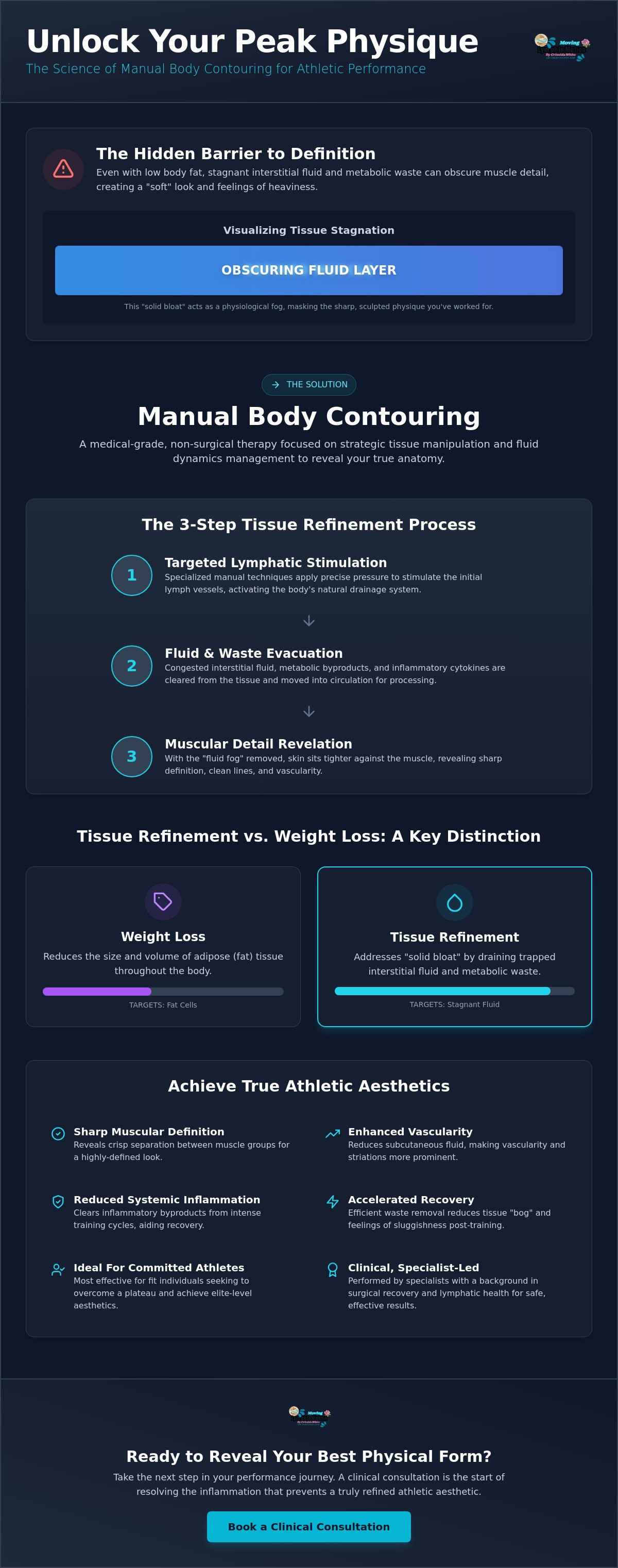
It's essential to understand that manual sculpting is a tissue refinement process rather than a weight-loss program. While weight loss reduces adipose tissue, manual contouring addresses the "solid bloat" caused by uncirculated waste and trapped fluid. This stagnation often feels firm to the touch and can be mistaken for stubborn fat or a lack of conditioning. Fit individuals with low body fat often see the most dramatic results from this clinical approach because their anatomy is already primed for visibility once the fluid barrier is removed. You can begin your refinement journey by visiting the Best Lymphatic Specialist booking portal to secure a clinical consultation.
The Physiological Impact: Fluid Dynamics and Muscle Definition
The visibility of a muscle group depends on the thickness and clarity of the tissue layers above it. In the high-performance body, these layers consist of the dermis, a subcutaneous fat layer, and the interstitial space. When the lymphatic system is challenged by intense training cycles, excess fluid, often referred to as localized edema, accumulates within this interstitial gap. This fluid acts as a physiological buffer, softening the transition between muscle bellies and blurring the crisp separation that defines an athletic physique. Manual body contouring for athletic performance directly addresses this by mechanically stimulating the initial lymph vessels. This acceleration of fluid transport clears the "blurring" effect, allowing the skin to sit more closely against the underlying anatomy.
Beyond fluid volume, the chemical composition of this stagnant fluid affects overall tissue health. Metabolic byproducts from heavy exertion, such as cellular debris and inflammatory cytokines, can linger when local circulation is compromised. This results in tissue that feels boggy or lacks the structural "snap" associated with peak condition. Utilizing specialized therapeutic and recovery modalities ensures these byproducts are moved into the central circulation for filtration. This process doesn't just improve aesthetics; it reduces the low-grade systemic inflammation that often accompanies overreaching in training.
Managing Interstitial Fluid for Maximum Definition
Fluid dynamics in the sub-dermal layers are governed by delicate pressure gradients. Manual lymphatic drainage creates the precise, rhythmic pressure needed to open the micro-valves of the lymph capillaries without collapsing them. By systematically reducing "water weight" in the hypodermis, we achieve several clinical benefits:
- Reduction of subcutaneous edema that blurs anatomical landmarks.
- Stimulation of lymphangiomotoricity to clear metabolic stagnant fluid.
- Improved skin elasticity through targeted mechanotransduction.
This refinement makes the vascularity and striations of the muscle more prominent, delivering a level of definition that diet and exercise alone often can't reach.
Fascial Health and Tissue Mobility
Fascia is the connective tissue web that encases every muscle fiber. When fascia becomes dehydrated or congested with metabolic waste, it can develop adhesions that cause uneven tissue texture. Clinical manual techniques ensure that these fascial planes remain hydrated and pliable, preventing the restricted movement that leads to stagnant fluid pockets. Healthy fascial planes allow for better muscle separation and visible tone. To see how these physiological adjustments can refine your specific physique, you may schedule a clinical assessment to determine your tissue's current state.
Manual Sculpting vs. Machine-Based Treatments: The Clinical Difference
The marketplace for aesthetic refinement is saturated with machine-based technologies such as radio frequency (RF), ultrasound cavitation, and cryogenic fat reduction. While these tools offer standardized protocols, they operate on a fixed delivery system that cannot account for the dynamic nature of living tissue. Manual body contouring for athletic performance relies on the practitioner’s palpatory skills to detect subtle variations in tissue density, temperature, and fluid mobility. A machine treats every square inch of the body with the same intensity, whereas a clinical specialist adapts their technique in real-time based on the physiological feedback they receive from the patient’s skin and fascia.
Machines like RF or cavitation often focus on heating or vibrating tissue to break down fat cells or tighten skin. However, these methods are frequently inadequate for addressing complex lymphatic stagnation or the "solid bloat" common in high-training athletes. If the primary cause of muscle blurring is interstitial fluid rather than adipose tissue, aggressive machine protocols may actually exacerbate the problem by triggering a localized inflammatory response. Manual intervention ensures that fluid is physically guided toward functional drainage pathways rather than simply being agitated in place.
The Precision of Manual Tissue Manipulation
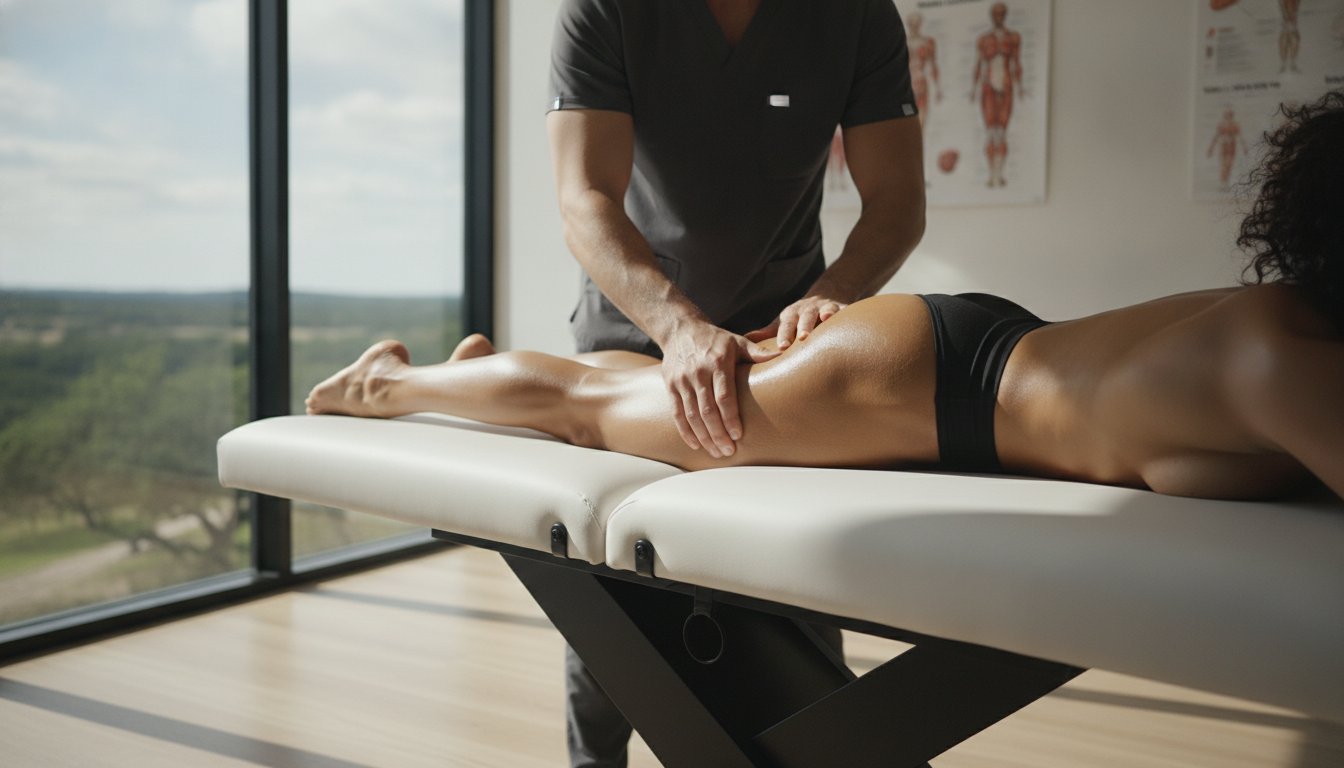
Feeling the tissue is the only way to distinguish between a localized pocket of edema and a dense fascial adhesion. This clinical intuition allows for a highly customized approach where specific areas of stagnation are targeted with surgical precision. By identifying where the lymphatic flow is most restricted, the therapist can apply specialized maneuvers that machines simply cannot replicate. This hands-on methodology integrates seamlessly with lymphatic drainage for tissue healing, ensuring that the recovery process is both efficient and physiologically sound. This level of specificity is what allows for the sharp muscular definition that athletes require.
Why Hands-On Therapy Wins for Athletes
Athletes frequently operate in a state of high sympathetic nervous system activity. Machine-based treatments can sometimes feel invasive or over-stimulating, potentially hindering the body's natural recovery state. Manual therapy, in contrast, promotes parasympathetic down-regulation, which is essential for systemic repair and hormonal balance. When you choose manual body contouring in Austin, you're opting for a practitioner-led approach that respects your body’s current physiological load. It's a safer, more observant way to refine the physique without the risks of machine-induced inflammation or standardized, mass-market errors. Manual body contouring for athletic performance provides a level of individualized attention that no device can match, ensuring that every session is tailored to your unique anatomical needs.
Optimizing Performance: Recovery Benefits for the Active Body
While the visual refinement of the physique is a significant outcome, manual body contouring for athletic performance serves a deeper clinical purpose by accelerating the body's internal filtration system. During periods of intense training, the muscular system generates a high volume of metabolic debris. When this waste remains trapped in the interstitial space, it contributes to a state of chronic congestion that can hinder muscle contractility and slow down cellular repair. Specialized manual techniques facilitate the rapid transport of these substances into the lymphatic capillaries, ensuring that the internal environment remains conducive to high-level output.
This clinical intervention also plays a vital role in maintaining the integrity of nutrient delivery. By reducing the pressure exerted by excess fluid on the microvascular system, manual work improves the efficiency with which oxygenated blood and essential amino acids reach the muscle fibers. This reduction in "fluid resistance" also aids in maintaining a full range of motion. Supple, well-hydrated tissues move with less friction, preventing the compensatory patterns that often lead to overuse injuries. When the tissue environment is clear of stagnation, the athlete experiences a sense of lightness and responsiveness that is often lost during heavy training blocks.
Metabolic Clearance and Lactic Acid Reduction
The lymphatic system is the primary pathway for clearing larger metabolic molecules, including lactic acid and creatine kinase, that accumulate after strenuous exercise. By mechanically stimulating lymph flow, manual contouring helps to diminish the duration and intensity of Delayed Onset Muscle Soreness (DOMS). This allows for a faster return to peak training intensity without the "heavy limb" sensation that characterizes systemic fatigue. Efficient lymphatic clearance is the secret weapon for elite athletic recovery. It ensures that the transition from a state of exertion to a state of repair happens with clinical precision.
Inflammation Management in Central Texas Athletes
Athletes in the Austin area face unique physiological challenges, particularly regarding heat-related swelling. High temperatures and humidity levels can cause significant vasodilation, leading to increased fluid leakage into the tissues. For runners and cyclists navigating the Central Texas terrain, this often results in persistent lower-limb edema that diet and hydration alone cannot resolve. Consistent manual intervention prevents this temporary swelling from transitioning into chronic, low-grade inflammation. The synergistic effect of contouring and specialized manual lymph drainage provides a comprehensive solution for managing these environmental stressors. To integrate this recovery strategy into your training cycle, you can book a performance-focused session to address localized congestion and inflammation.
Build and Sculpt: Specialized Clinical Contouring in Austin
Best Lymphatic Specialist offers a focused solution for those who require more than superficial wellness. The 'Build and Sculpt' service represents our signature clinical offering, specifically engineered to bridge the gap between heavy training and high-definition aesthetics. Unlike general bodywork, this protocol is rooted in the clinical expertise of Criselda White. Her background in clinical lymphatic drainage and surgical recovery informs every manipulation of the tissue. This medical-grade focus ensures that manual body contouring for athletic performance is delivered with a deep understanding of complex physiological recovery and fluid dynamics.
Our methodology serves the high-performance communities of Cedar Park, Leander, and Georgetown, providing a professional alternative to standardized machine treatments. The process follows a disciplined clinical protocol. It starts with a comprehensive tissue assessment to identify specific areas of fluid stagnation and fascial restriction. This is followed by manual sculpting to refine the silhouette and concludes with performance optimization to ensure the lymphatic system is primed for the next training cycle. This methodical approach ensures that every session yields measurable results for the patient's physique and recovery capacity.
The Best Lymphatic Specialist Methodology
We reject the standardized, mass-market approach found in traditional service environments. Anatomical precision is our priority. Every athlete possesses a unique tissue structure and metabolic profile, requiring a customized plan that accounts for their specific training volume and inflammatory state. We focus on the underlying physiological causes of tissue "blurring" rather than just the surface appearance. You can initiate this personalized process by visiting our Best Lymphatic Specialist booking page to schedule your initial clinical consultation and assessment.
What to Expect During Your Session
When you enter our clinical environment, the atmosphere is professional, calm, and evidence-based. We focus on the transition from acute recovery, which involves clearing the immediate results of training-induced overreaching, to long-term performance maintenance. This approach is a core component of the Build and Sculpt Body Treatment pillar, which emphasizes the critical intersection of lymphatic health and muscular definition. Manual body contouring for athletic performance is not a temporary aesthetic fix; it's a strategic partnership in your ongoing physical refinement. Through meticulous tissue manipulation and expert guidance, we help you reveal the results of your hard work while ensuring your body remains a high-functioning, resilient system.
Refining Your Physiological Potential
Achieving a truly sculpted physique requires more than mechanical exertion; it demands a clinical focus on the internal environment where muscle meets fluid. We've explored how addressing tissue stagnation and optimizing lymphatic flow can resolve the persistent edema that blurs anatomical detail. Unlike standardized machine protocols, the precision of manual body contouring for athletic performance allows for a customized approach that respects your unique tissue density and training load. By prioritizing metabolic clearance and fascial health, you're not just enhancing your aesthetic; you're investing in a more resilient, responsive body.
As a Certified Lymphatic Therapist specializing in clinical recovery, Criselda White provides the advanced Build and Sculpt protocol to the athletic communities of Austin, Cedar Park, and Georgetown. This non-surgical tissue refinement offers a sophisticated path to peak visibility and accelerated recovery. Book Your Build and Sculpt Consultation in Austin to begin your journey toward clinical refinement. Your dedication to your craft deserves to be visible in every line of your physique.
Frequently Asked Questions
Is manual body contouring the same as a deep tissue massage?
No, manual body contouring is fundamentally different from deep tissue massage in both its target and technique. While deep tissue work applies heavy pressure to manipulate muscle fibers and release trigger points, this clinical approach focuses on the lymphatic system and the management of interstitial fluid. It utilizes precise, rhythmic strokes to clear metabolic waste and reduce tissue stagnation. This process refines the silhouette by addressing the fluid layers above the muscle rather than the muscle tissue itself.
How many sessions are typically required to see visible muscle definition?
Visible results vary based on your current tissue state and training intensity, but most individuals observe a discernible increase in definition after three to five sessions. Individuals with lower body fat percentages often see immediate changes in muscle clarity as stagnant fluid is removed. A consistent protocol is recommended during peak training cycles to maintain these results and prevent the re-accumulation of exercise-induced edema that can blur anatomical lines.
Can manual contouring help with swelling after a heavy workout?
Yes, manual body contouring for athletic performance is highly effective for resolving post-workout swelling. Intense exertion causes temporary inflammation and the accumulation of metabolic byproducts like lactic acid within the tissues. By mechanically stimulating lymphatic drainage, we accelerate the removal of this debris and excess fluid. This intervention reduces the "heavy" feeling in limbs and allows for a faster return to optimal training capacity without the lingering effects of systemic congestion.
Is this treatment suitable for people who have not had cosmetic surgery?
This treatment is specifically designed for high-performance individuals who have not undergone cosmetic surgery but seek non-surgical tissue refinement. While the methodology shares clinical roots with post-operative recovery, its application here focuses on revealing natural musculature and optimizing physiological health. It serves as a bridge for athletes who maintain a strict regimen but struggle with stubborn fluid retention that obscures their hard-earned definition despite maintaining a low body fat percentage.
What is the difference between manual sculpting and cool-sculpting?
The primary difference lies in the physiological target and the method of application. Cool-sculpting is a machine-based thermal treatment intended to induce cryolipolysis, or the freezing of fat cells. In contrast, manual body contouring for athletic performance is a practitioner-led mechanical therapy that focuses on fluid dynamics and the clearance of stagnant interstitial waste. Unlike machine-based protocols, manual work is observant and adaptable, allowing the therapist to address specific areas of congestion that standardized devices cannot detect.
How should I prepare for a Build and Sculpt session in Austin?
Proper preparation ensures the lymphatic system is primed for optimal fluid transport. We recommend increasing your water intake for 24 hours prior to your session to facilitate the movement of metabolic waste. It's also best to avoid consuming a heavy meal at least two hours before your appointment to prevent digestive congestion. Arriving in comfortable, loose-fitting clothing allows for a seamless transition into the clinical environment and supports the post-session drainage process as your body continues to filter fluid.
Is manual body contouring painful for athletes with high muscle density?
No, the procedure is not painful, even for athletes with high muscle density. Unlike aggressive sports massages that can trigger a protective guarding response in the muscles, manual contouring uses a specialized, rhythmic pressure designed to stimulate the initial lymph vessels. This approach promotes parasympathetic down-regulation, which is essential for systemic repair. While the therapist may apply firm sculpting techniques in certain areas, the overall experience is clinical and restorative rather than physically taxing.
Can manual lymphatic work improve my gym performance?
Manual lymphatic work directly supports gym performance by improving the internal environment of your muscle tissues. By clearing the metabolic "fog" of stagnant fluid, you improve the efficiency of nutrient delivery and oxygenation to your muscle fibers. Additionally, reducing interstitial pressure restores a fuller range of motion and prevents the heavy, sluggish feeling that often leads to compensatory movement patterns. This ensures your body remains a high-functioning system capable of consistent, high-intensity output.