Interest in intraoral buccal massage has surged by 83 percent in 2026, yet its true clinical value lies far beyond the viral trends seen on social media. You likely understand the physical burden of chronic jaw tension, the persistent discomfort of TMJ dysfunction, or the frustration of stagnant lymphatic flow that leaves the face feeling heavy and undefined. These symptoms often stem from deep-seated muscle hypertonicity and fluid congestion that external massage alone cannot fully address. It's a common struggle for those navigating the complexities of physical recovery or seeking to restore facial symmetry without invasive surgical interventions.
This clinical guide provides a clear, evidence-based look at the science behind intraoral buccal massage and its role in optimizing facial health. You'll discover how specialized internal manipulation targets the masseter and buccinator muscles to release tension and improve physiological fluid dynamics. We will examine the specific mechanics of this therapy, detailing how it reduces puffiness and sculpts the facial contour by addressing the root causes of tissue stagnation and muscle fatigue. This professional overview ensures you understand the therapeutic methodology required to achieve lasting results and improved lymphatic function.
Key Takeaways
- Understand how accessing the oral cavity allows for the precise manipulation of deep facial tissues that remain unreachable through standard external massage techniques.
- Learn the physiological impact of intraoral manual therapy on facial lymphatic pathways to effectively manage interstitial fluid buildup and chronic puffiness.
- Discover how intraoral buccal massage provides functional relief for Temporomandibular Joint (TMJ) dysfunction and mitigates the neuromuscular effects of bruxism.
- Gain clarity on clinical session expectations, including the necessity of medical-grade hygiene protocols and the distinction between therapeutic pressure and physical pain.
- Identify why clinical specialization is vital when integrating advanced facial sculpting into a comprehensive recovery or lymphatic maintenance plan.
What is Intraoral Buccal Massage?
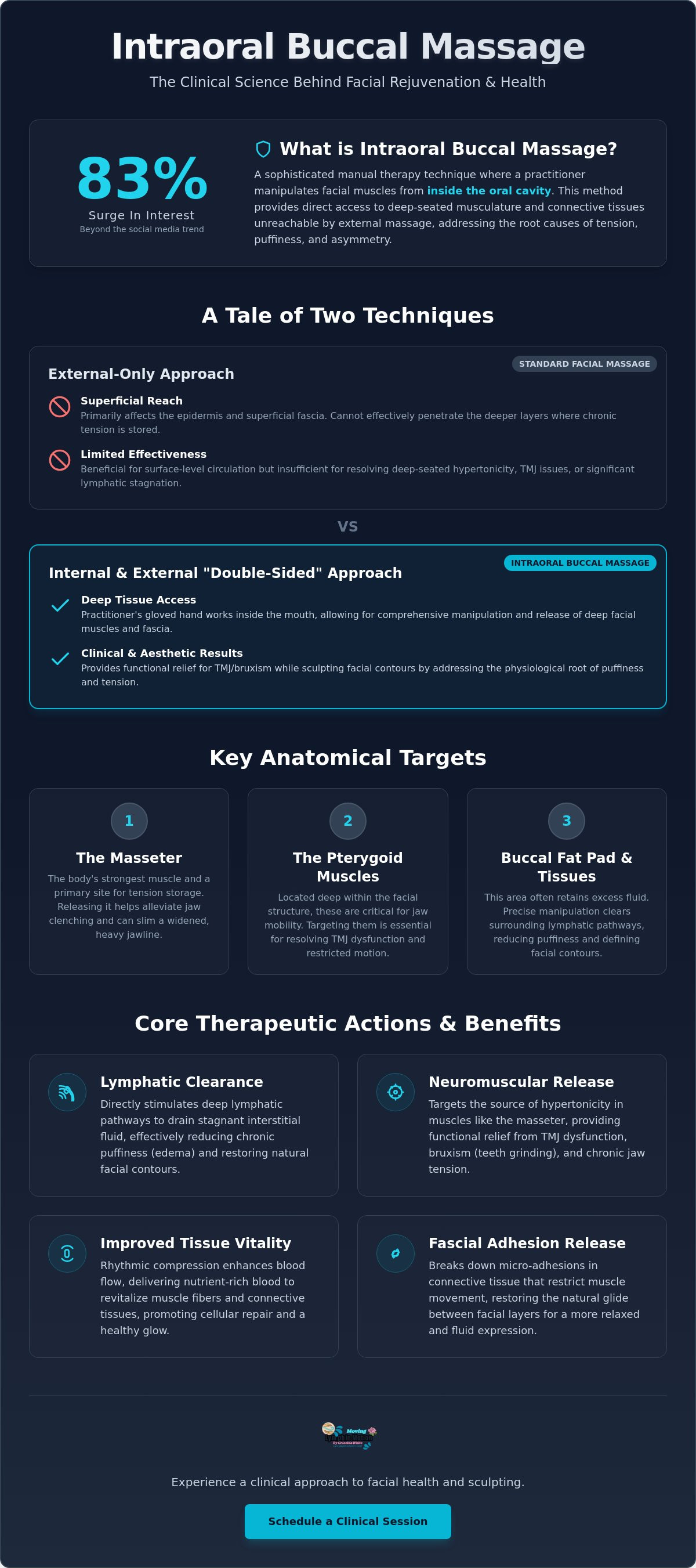
Intraoral buccal massage is a sophisticated manual therapy technique that involves the precise manipulation of facial tissues from within the oral cavity. While traditional facial treatments remain limited to external application, this methodology allows a practitioner to access deep-seated musculature and connective tissues that are otherwise unreachable. It's a highly targeted intervention designed to address both the physiological health of the face and its structural appearance. By working on the internal mucosal lining, therapists can apply controlled pressure to release chronic tension and facilitate the movement of stagnant interstitial fluids.
The origins of this practice are rooted in Eastern European clinical environments. Initially, these techniques were developed for neurological rehabilitation, specifically to aid patients recovering from facial paralysis or speech impediments. Over time, the methodology evolved as clinicians observed significant improvements in facial symmetry and tissue vitality. Today, intraoral buccal massage is recognized as a premier therapeutic tool that bridges the gap between functional jaw rehabilitation and non-invasive aesthetic contouring. It doesn't just change how the face looks; it fundamentally alters how the facial structures function.
The Difference Between Buccal and Standard Facial Massage
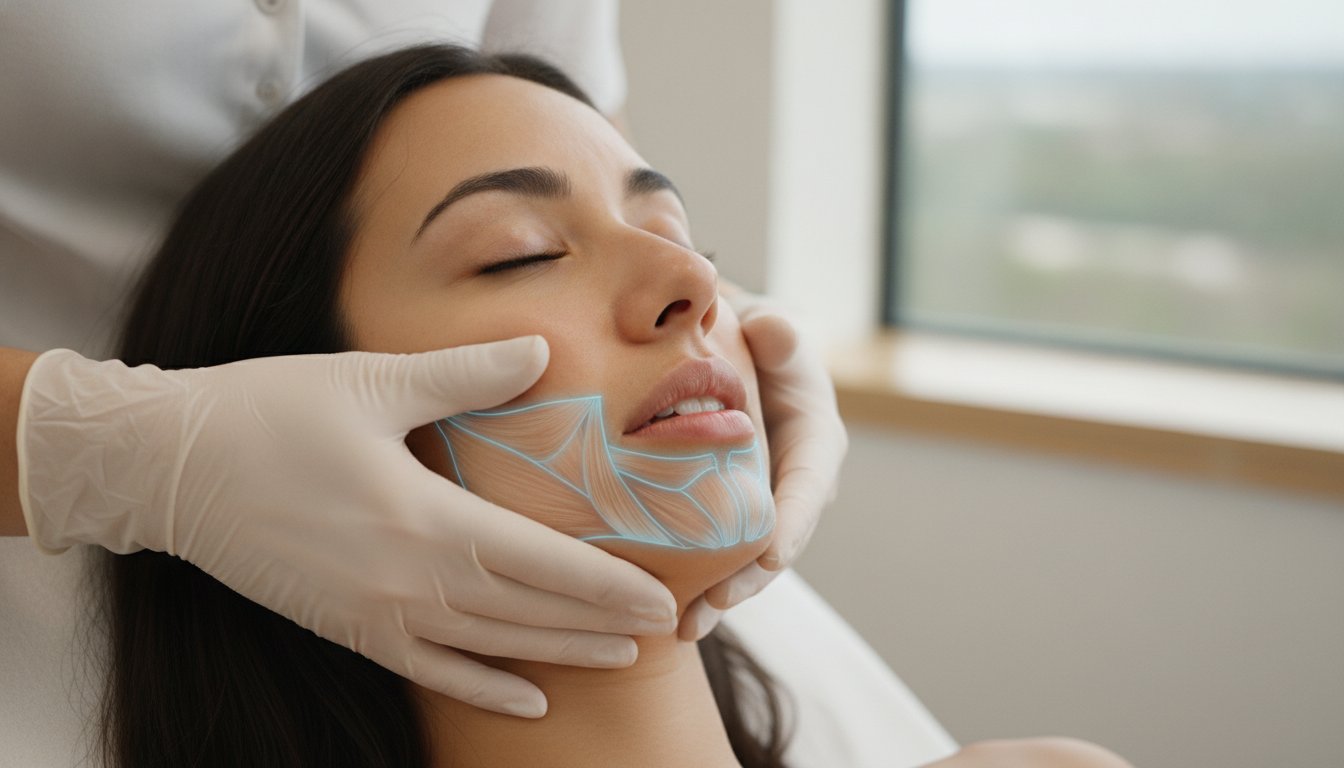
Standard facial massage primarily addresses the epidermis and the superficial fascia. While beneficial for surface-level circulation, it cannot effectively penetrate the denser layers of the facial architecture. In contrast, intraoral buccal massage utilizes a "double-sided" approach. The practitioner uses a gloved hand to work inside the mouth while the other hand provides counter-pressure from the outside. This sandwich-like manipulation allows for a comprehensive release of the facial muscles. Accessing the internal mucosal lining is the only way to achieve the mechanical depth necessary to resolve deep-seated hypertonicity and structural stagnation.
Targeted Anatomical Structures
To understand the efficacy of this treatment, we must look at the specific anatomy involved in each session:
- The Masseter: As the strongest muscle in the human body relative to its size, the masseter is the primary driver of jaw closure. It's also the most common site for tension storage, leading to a widened, heavy jawline.
- The Pterygoid Muscles: Located deep within the facial structure, the medial and lateral pterygoids are essential for jaw mobility. Releasing these muscles is critical for anyone suffering from TMJ dysfunction or restricted range of motion.
- The Buccal Fat Pad and Connective Tissues: This area often holds excess fluid. Precise manual manipulation helps clear the surrounding lymphatic pathways, resulting in more defined contours and reduced puffiness.
By focusing on these specific structures, the therapy provides a level of physiological sculpting that external methods simply can't match. It's a methodical process that prioritizes tissue health and structural integrity above all else.
The Science of Intraoral Manual Therapy
The efficacy of intraoral buccal massage is rooted in its ability to manipulate the deep facial architecture from a vantage point that external methods cannot reach. This internal access allows for the direct stimulation of the facial lymphatic pathways and the mobilization of interstitial fluid. When fluid accumulates in the buccal fat pads or around the masseter, it leads to chronic puffiness and a loss of definition. Manual manipulation creates a pressure gradient that encourages this stagnant fluid to move toward the regional lymph nodes for filtration and removal. By addressing these fluid dynamics, the therapy restores the face's natural contours from the inside out.
Beyond fluid management, the therapy significantly enhances tissue oxygenation. The rhythmic, controlled compression of the deep musculature induces a localized hyperemic response. This increase in nutrient-rich blood flow revitalizes muscle fibers and the surrounding connective tissues, promoting cellular repair. Simultaneously, the technique addresses fascial adhesions. These are dense areas of connective tissue that can bind muscles together, restricting natural movement and contributing to a strained appearance. Breaking these micro-adhesions restores the natural glide of the facial layers, which is essential for a fluid and youthful resting expression.
Lymphatic Clearance and Facial Edema
Facial lymphatic drainage is a physiological necessity for maintaining tissue health and structural clarity. While superficial massage addresses the skin's surface, the intraoral approach bypasses dermal blockages to reach the deeper lymphatic collectors. By clearing these deep pathways, the treatment reduces facial edema more effectively than traditional methods. This process supports the facial lymph nodes in their role as metabolic filters, ensuring that the facial tissues remain vibrant rather than congested. If you're ready to experience this clinical approach, you can schedule a buccal massage session to address your specific physiological needs.
Neuromuscular Re-education
For individuals suffering from chronic bruxism or jaw clenching, the muscles of mastication often hold a persistent state of hypertonicity, commonly referred to as muscle memory. Integrating intraoral buccal massage into a recovery plan provides a powerful stimulus to the nervous system. The deep, targeted pressure signals the Golgi tendon organs to inhibit excessive muscle contraction, effectively lowering the resting tone of the masseter and pterygoids. Over time, this neuromuscular re-education restores facial symmetry and alleviates the strained resting expression associated with chronic tension, leading to a more balanced and relaxed appearance.
Clinical Benefits: Beyond the 'Natural Facelift' Trend
The physiological sculpting achieved through this method is a direct byproduct of optimized tissue health. By systematically reducing interstitial edema, the therapy reveals the underlying bone structure, such as the zygomatic arch and mandible, without the need for invasive procedures. This is particularly relevant for those seeking to restore a more defined facial profile. Additionally, this technique is invaluable in post-operative recovery. After facial surgeries like rhytidectomy or orthognathic procedures, patients often deal with localized edema and the formation of restrictive scar tissue. Intraoral manipulation helps soften these internal adhesions and accelerates the clearance of post-surgical fluid, ensuring a smoother, more efficient healing process.
Addressing TMJ and Jaw Tension
External massage techniques often fail because they only address the superficial fibers of the masseter. Intraoral buccal massage allows for a comprehensive "pincer" grip, enabling the therapist to release the muscle's deep attachments and the lateral pterygoid. This release is essential for restoring a full range of motion to the jaw. This level of precision is why the treatment so effectively complements clinical lymphedema therapy. When jaw tension is released, the surrounding lymphatic pathways are no longer compressed, allowing for more efficient fluid drainage throughout the head and neck, which can also reduce the frequency of secondary tension-type headaches.
Aesthetic Rejuvenation Through Tissue Health
True rejuvenation is not about surface-level manipulation. It's about releasing the depressor muscles that, when hypertonic, pull the facial features downward. By restoring the natural length and tone of these muscles, we achieve a lifted appearance that is grounded in physiological balance. This approach significantly improves skin texture by enhancing nutrient delivery to the deep dermis and clearing metabolic waste. Such work is a cornerstone of professional facial rejuvenation, where the focus remains on the structural integrity of the tissue rather than temporary aesthetic fixes. The result is a vibrant, healthy complexion that reflects the underlying state of the facial musculature.
The Treatment Experience: What to Expect During a Clinical Session
A clinical session for intraoral buccal massage at Best Lymphatic Specialist is conducted with the same level of precision and hygiene as a medical procedure. Unlike recreational facials, this therapy requires the use of medical-grade, powder-free gloves to maintain the integrity of the oral mucosa. Practitioners follow strict sterile protocols to ensure patient safety, creating a professional environment that prioritizes physiological results over aesthetic fluff. During the session, you'll experience a range of sensations. It's important to distinguish between therapeutic pressure and pain. You may feel a deep, dull ache as the masseter and pterygoid muscles release, but the process shouldn't be sharp or distressing. Open communication with your specialist ensures the pressure remains within your tolerance while achieving the necessary mechanical release.
Initial results, such as reduced facial edema and a softer jawline, are often visible immediately following the first hour-long session. However, structural changes in muscle tone and chronic tension require a cumulative approach. For those addressing severe hypertonicity or bruxism, a series of six to ten weekly sessions is typically recommended to re-educate the neuromuscular system. Maintenance sessions then occur every four to six weeks to preserve the sculpted contours and functional mobility. This methodical progression ensures that the tissues adapt to the new state of relaxation and fluid dynamics.
The Step-by-Step Protocol
Every session begins with external manipulation to warm the facial tissues and stimulate the superficial lymphatic nodes in the neck and submandibular area. This preparatory phase ensures the fluid pathways are open before the deeper work begins. The intraoral phase follows, where the practitioner performs targeted releases on the internal attachments of the muscles of mastication. Post-treatment care is equally vital. We emphasize increased hydration to assist the lymphatic system in processing the mobilized metabolic waste and fluid, ensuring the body efficiently clears the interstitial volume.
Who is an Ideal Candidate?
This therapy is particularly effective for individuals whose high-stress lifestyles manifest as persistent jaw clenching or nocturnal bruxism. It also serves as a potent non-invasive alternative for those seeking to refine their facial contours without the use of dermal fillers or surgical lifts. Additionally, it's an essential tool for post-operative patients who've been cleared by their surgeon for facial lymphatic drainage. These individuals often require specialized work to manage internal scar tissue and lingering edema. To begin your journey toward physiological balance, you can book your clinical buccal massage session at Best Lymphatic Specialist to address your specific recovery or aesthetic goals.
Integrating Buccal Massage into Your Wellness Plan in Austin
Choosing a practitioner for intraoral buccal massage is a clinical decision that shouldn't be based on aesthetic trends alone. Because this methodology involves the direct manipulation of deep facial structures and internal mucosal linings, specialized expertise is essential for both safety and efficacy. At Best Lymphatic Specialist, we move beyond the superficial level of traditional spa treatments to provide results-driven manual therapy. The Best Lymphatic Specialist approach integrates buccal work into a comprehensive plan for lymphatic health, ensuring that every session supports your body's physiological fluid dynamics. We serve the broader Central Texas community, providing specialized care for individuals from Austin to Georgetown who require professional intervention for jaw dysfunction or post-surgical recovery.
Preparing for your first clinical session involves more than just scheduling an appointment. We recommend arriving well-hydrated to facilitate the movement of interstitial fluids mobilized during the treatment. If you're seeking care for post-operative reasons, ensure you've received clearance from your surgeon before beginning manual therapy. During your initial assessment at Best Lymphatic Specialist, we'll review your medical history, including any history of TMJ disorders, dental work, or recent facial procedures. This thorough clinical intake allows us to customize the pressure and focus of the intraoral buccal massage to meet your specific anatomical needs.
The Specialized Expertise of Criselda White
Effective facial sculpting requires a deep understanding of the lymphatic system's architecture. Criselda White brings a high level of clinical authority to every session, prioritizing the structural integrity of the tissue over aesthetic fluff. The importance of manual lymph drainage certification cannot be overstated in this field. This specialized training ensures that the practitioner understands how to clear the deep lymphatic collectors of the face and neck without causing tissue trauma. Whether you're managing chronic lymphedema or navigating the complexities of post-operative cosmetic surgery recovery, this evidence-based approach ensures a safe and methodical path to healing.
Scheduling Your Clinical Consultation
If you're ready to address chronic jaw tension or persistent facial puffiness, understanding the local options is the first step. You can read our detailed resource on buccal massage in Austin to learn more about how this therapy fits into the Central Texas wellness landscape. During your initial consultation, we'll discuss your specific goals, from reducing masseter hypertonicity to achieving more defined facial contours through fluid clearance. We're dedicated to acting as your clinical partner throughout your recovery journey. Book your clinical facial sculpting session today to experience a professional, evidence-based approach to facial health at Best Lymphatic Specialist.
Restoring Structural Balance and Facial Vitality
Intraoral buccal massage is a sophisticated clinical intervention that addresses the deep-seated causes of facial tension and fluid stagnation. By prioritizing the release of the masseter and pterygoid muscles, this methodology offers a sustainable path to both functional relief and structural clarity. You've seen how internal manipulation bypasses superficial barriers to resolve chronic hypertonicity and optimize the body's natural lymphatic pathways. This evidence-based approach ensures that results are grounded in physiological health rather than temporary aesthetic fixes.
Achieving these results requires a practitioner who understands the complexities of fluid dynamics and neuromuscular health. As a Certified Manual Lymphatic Drainage Specialist, we offer specialized post-operative recovery protocols for residents in Austin, Cedar Park, and Georgetown. We're committed to providing a safe, authoritative environment where your physical recovery is the primary focus. Schedule Your Clinical Buccal Massage in Austin to restore your facial vitality and structural balance. We're ready to guide you through every step of your therapeutic journey.
Frequently Asked Questions
Is intraoral buccal massage painful?
Intraoral buccal massage should involve therapeutic pressure rather than acute pain. While you may experience a deep, dull ache as hypertonic muscles like the masseter are released, the sensation shouldn't be sharp or distressing. Effective treatment requires a pincer grip that can feel intense due to the sensitivity of the internal mucosal lining. Our specialists maintain constant communication to adjust pressure according to your tolerance while ensuring the necessary mechanical release of the deep facial tissues.
How many sessions of buccal massage do I need to see results?
You'll often observe immediate reductions in facial puffiness after a single session, but long-term structural changes require a cumulative approach. For significant neuromuscular re-education and lasting sculpting, we typically recommend a series of six to ten weekly treatments. This frequency allows the facial muscles to adapt to a lower resting tone. Following the initial series, monthly maintenance sessions help preserve the physiological benefits and prevent the return of chronic tension patterns.
Can I get buccal massage if I have dental implants or braces?
Individuals with dental implants or braces can receive this therapy, provided the hardware is stable and the tissue is fully healed. We exercise extreme caution around orthodontic brackets to prevent mucosal irritation or accidental cuts during the intraoral phase. If you have recent implants, you must wait until your oral surgeon has confirmed complete osseointegration. Always disclose the location of any dental hardware during your initial assessment to ensure a safe, customized treatment plan.
What is the difference between buccal massage and TMJ massage?
While both address jaw tension, intraoral buccal massage is a specific manual technique performed inside the oral cavity to reach deep musculature. TMJ massage is a broader clinical term that often refers only to external manipulation of the superficial masseter and temporal regions. The intraoral approach is superior for reaching the medial pterygoid and the deep attachments of the masseter, providing a level of functional relief that external-only work cannot achieve.
Is buccal massage safe after getting Botox or fillers?
You should wait at least 14 to 28 days after receiving Botox or dermal fillers before scheduling a session. Applying deep manual pressure too soon after injections can cause the product to migrate from the intended site or interfere with its integration into the tissue. Once the injectables have stabilized, the massage can actually complement your results by improving the underlying tissue health and lymphatic flow, though we avoid direct, heavy manipulation over active filler sites.
How long do the effects of a buccal massage session last?
The immediate effects of lymphatic clearance, such as reduced edema, typically last for several days depending on your hydration and lifestyle factors. The benefits of muscle relaxation and improved facial mobility can persist for two to four weeks. Because the therapy addresses muscle memory, the results become more durable as you progress through a treatment series. Consistent sessions help establish a more relaxed resting expression and sustained structural definition over time.
Can I perform buccal massage on myself at home?
Performing this technique on yourself is not recommended if you're seeking clinical-grade physiological results. Professional intraoral buccal massage requires a specific angle and counter-pressure that's difficult to achieve through self-administration. Improper technique can lead to tissue bruising, mucosal trauma, or an increase in inflammation. A certified specialist possesses the anatomical knowledge to safely navigate the delicate structures of the oral cavity and apply the precise mechanical force required for effective fascial release.
What should I avoid after a buccal massage treatment?
Avoid high-sodium meals, alcohol, and excessive heat, such as saunas or hot tubs, for at least 24 hours following your clinical session. These factors can trigger fluid retention and counteract the lymphatic drainage achieved during treatment. We also recommend skipping intense cardiovascular exercise for the remainder of the day to allow the nervous system to remain in a parasympathetic state. Prioritize water intake to assist your lymphatic system in processing the metabolic waste mobilized during the deep tissue manipulation.